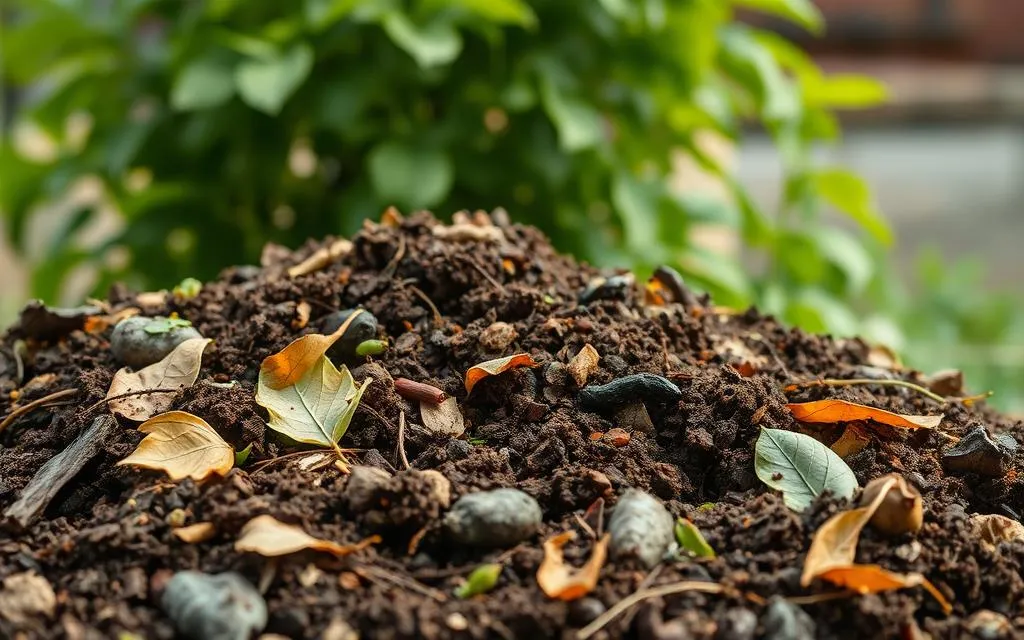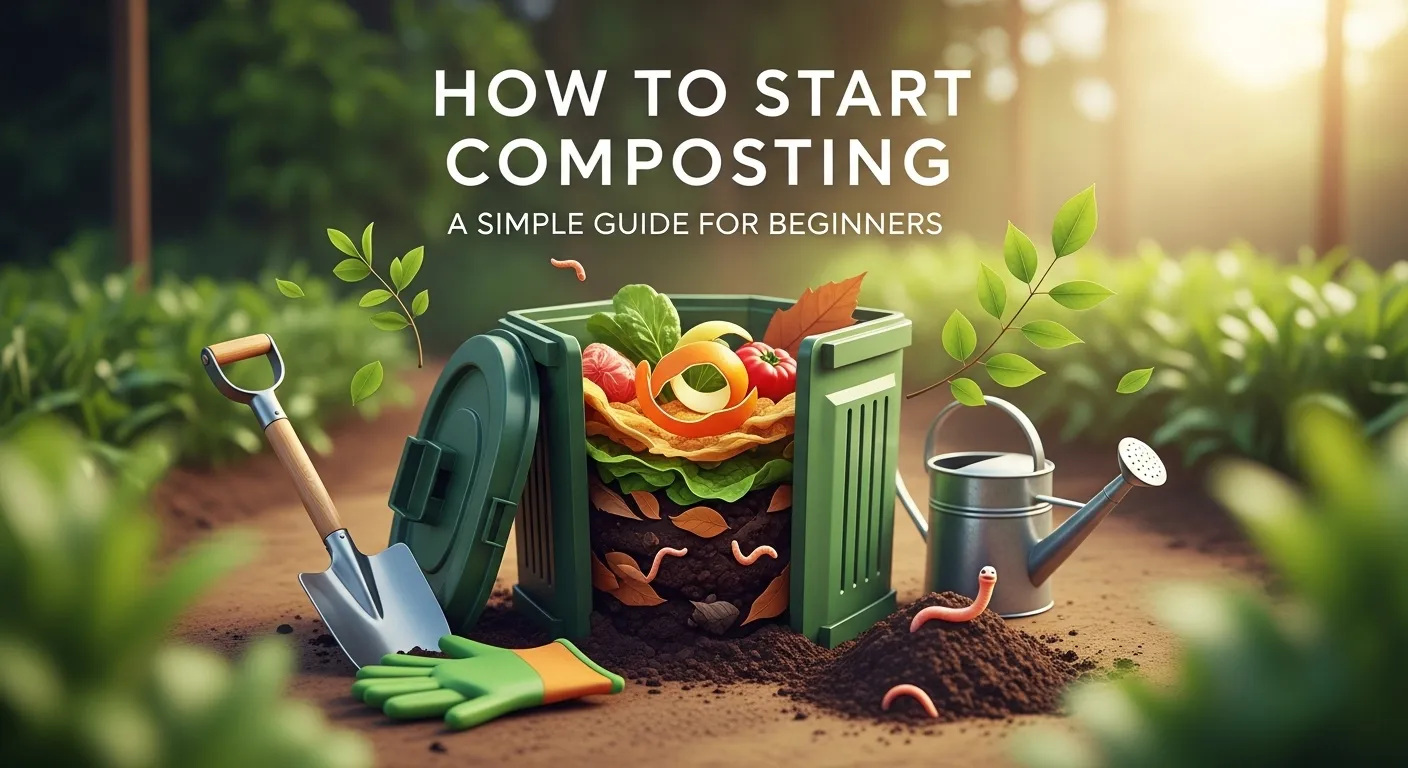
Turning your kitchen scraps and yard trimmings into nutrient-rich soil might sound like a complex scientific process, but it's one of the most rewarding and environmentally friendly habits you can adopt. Many people are intrigued by the idea of reducing their landfill waste and creating free, high-quality fertilizer for their plants, but they often feel overwhelmed by the initial setup and rules. They find themselves asking the same fundamental question: where do I even begin? This guide is designed to answer exactly that: how to start composting for beginners in the simplest way possible. We'll demystify the process, break it down into easy-to-follow steps, and give you the confidence to transform your waste into "black gold." What is Composting and Why Should You Start? At its core, composting is nature's recycling program. It is the natural process of decomposition, where organic materials like food scraps, leaves, and grass clippings are broken down by microorganisms (like bacteria and fungi) into a rich, dark, soil-like substance called compost. Think of it as actively managing decay in a controlled environment to produce a valuable resource. Instead of letting these materials rot in a landfill, releasing harmful methane gas, you are harnessing a natural cycle to create something beneficial. This process is happening all the time on forest floors, where fallen leaves and branches decompose to enrich the soil for new growth. The benefits of composting are multi-faceted and impact your home, your garden, and the planet. Firstly, it drastically reduces your household waste. The U.S. Environmental Protection Agency (EPA) estimates that food scraps and yard waste make up more than 30% of what we throw away. By composting, you can divert a significant portion of this from landfills, which are a major source of methane, a potent greenhouse gas. Secondly, it creates a powerful soil amendment. Compost improves soil structure, helps it retain moisture (reducing your need to water), and suppresses plant diseases and pests. It enriches the soil with essential nutrients, eliminating the need for chemical fertilizers and saving you money. Starting your composting journey is about understanding a few key principles, not memorizing a complicated rulebook. It’s an empowering step towards a more sustainable lifestyle that directly connects you to the food you eat and the ground it grows in. Whether you have a large backyard or a small apartment balcony, there is a composting method that will work for you. The satisfaction of harvesting your first batch of dark, crumbly compost and seeing your plants thrive is a powerful motivator. This guide will walk you through every step, from the basic ingredients to troubleshooting, ensuring your first foray into composting is a resounding success. The Core Ingredients: Balancing Your Greens and Browns The secret to successful, odor-free composting lies in creating the right environment for the microorganisms to do their work. These tiny helpers need a balanced diet, which consists of two main categories of materials: "Greens" and "Browns." Getting this balance right is the most critical aspect of learning how to compost. An imbalance is the root cause of most common composting problems, like a smelly pile or one that simply won't break down. Think of it like building a fire. The "Browns" are the logs (the fuel), and the "Greens" are the kindling and match (the ignition). You need a lot of fuel and just enough ignition to get things going and keep them burning steadily. In composting, the "Browns" provide carbon for energy, while the "Greens" provide the nitrogen needed for microorganism growth and reproduction. A healthy compost pile needs a much higher ratio of carbon to nitrogen to function optimally. A good rule of thumb for beginners is to aim for a ratio of 2 to 3 parts "Browns" to 1 part "Greens" by volume. Don't get too caught up in precise measurements; this is more of an art than an exact science. If you add a bucket of kitchen scraps (Greens), aim to add two or three buckets of dried leaves or shredded cardboard (Browns). This balance ensures your pile has enough energy, enough protein for the microbes, and enough structure to allow for air circulation, which is vital for the aerobic (oxygen-using) bacteria that are the most efficient decomposers. Understanding "Greens" (Nitrogen-Rich Materials) “Greens” are the fresh, moist materials that are rich in nitrogen. These are the “activators” of your compost pile. They provide the protein and moisture that the microorganisms need to multiply and heat up the pile. When you think of “Greens,” think of things that were recently alive and are often, but not always, green in color. These materials tend to decompose quickly and can become smelly if not balanced with enough “Browns.” Common sources of "Green" materials include: Fruit and vegetable scraps (peels, cores, rinds) Coffee grounds and used tea bags Fresh grass clippings Eggshells (crushed for faster breakdown) Houseplant trimmings Weeds (that haven't gone to seed) It's helpful to keep a small, lidded container in your kitchen to collect these scraps throughout the day. When you take them out to your main compost pile, always remember to add a healthy layer of "Browns" on top to maintain the balance and prevent odors and pests. Understanding "Browns" (Carbon-Rich Materials) “Browns” are the dry, woody, or fibrous materials that are rich in carbon. These are the “bulk” of your compost pile. They provide the long-term energy source for the microorganisms. More importantly, their coarse and bulky nature creates air pockets within the pile, which is crucial for providing the oxygen that aerobic decomposers need to thrive. Without enough “Browns,” a compost pile will become a dense, wet, and anaerobic (oxygen-starved) mess, leading to a foul, sour smell. Common sources of "Brown" materials include: Dried leaves Shredded cardboard and newspaper (avoid glossy paper) Twigs and small branches Sawdust and wood chips (from untreated wood) Pine needles Straw or hay Paper towel rolls and egg cartons It's a great idea to stockpile "Browns". In the fall, when leaves are abundant, gather them