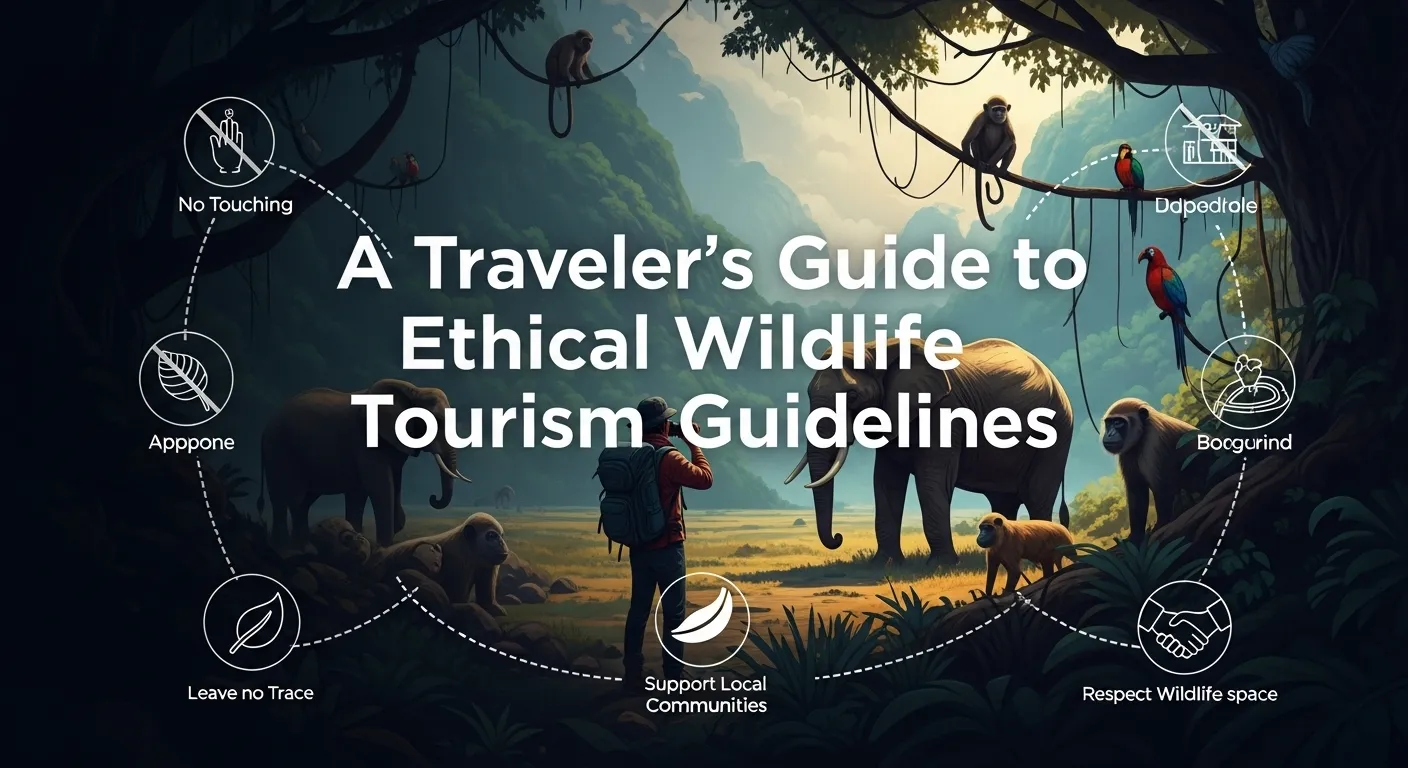
The low growl of a lioness in the pre-dawn light of the Maasai Mara, the silent breach of a humpback whale off the coast of Iceland, the flash of a vibrant macaw's wings in the Amazon canopy—these are the moments that define our connection to the natural world. Witnessing animals in their native habitats is a profound, often life-changing experience. However, the surge in global travel has created a complex and often fraught relationship between humans and wildlife. Awe-inspiring encounters can quickly turn exploitative if not approached with care, respect, and a deep understanding of animal welfare. That’s where a clear and comprehensive set of ethical wildlife tourism guidelines becomes not just helpful, but essential for any conscious traveler. This guide is designed to empower you with the knowledge to make choices that protect the animals you travel so far to see, ensuring that your presence is a positive force for conservation, not a detriment to their well-being. Understanding the Core Principles of Ethical Wildlife Tourism At its heart, ethical wildlife tourism is about prioritizing the well-being of the animals and their environment above the fleeting entertainment of humans. It's a paradigm shift from a consumer mindset ("What can this animal do for my experience?") to a conservationist one ("How can my visit support this animal and its ecosystem?"). This means recognizing that we are guests in their home. Our actions, no matter how small they seem, have a ripple effect. A single piece of discarded plastic can harm marine life, a camera flash at the wrong moment can cause a mother bird to abandon her nest, and a tour operator cutting corners on safety can lead to tragic outcomes for both humans and animals. The fundamental principle is non-interference. The goal is observation, not interaction. True ethical encounters are those where the animal is free to behave naturally, unbothered by your presence. This philosophy is often guided by the internationally recognized "Five Freedoms" of animal welfare, which state that animals under human care should have: Freedom from hunger and thirst; freedom from discomfort; freedom from pain, injury, or disease; freedom to express normal behavior; and freedom from fear and distress. While these were initially designed for domesticated animals, their principles are a powerful moral compass for evaluating any wildlife tourism activity. If an activity compromises any of these freedoms for the sake of a tourist photo, it is, by definition, unethical. The positive impact of well-managed wildlife tourism cannot be overstated. When done correctly, it provides critical funding for conservation projects, creates sustainable livelihoods for local communities (turning former poachers into proud protectors), and raises global awareness about the plight of endangered species. Your tourist dollars can directly fund anti-poaching patrols, habitat restoration, and scientific research. However, the opposite is also true. Unregulated tourism can lead to habitat destruction, increased stress on animal populations, the spread of disease, and the normalization of cruel practices. Therefore, the responsibility lies with each traveler to diligently research and choose experiences that contribute to the solution, not the problem. The "Do's": Best Practices for Responsible Wildlife Encounters Navigating the world of wildlife tourism requires proactive effort and a commitment to doing what's right, not just what's easy or cheap. By following a set of positive actions, or "Do's," you can ensure your encounters are respectful and beneficial. These practices are the cornerstones of responsible travel, transforming you from a passive tourist into an active ally for wildlife. They involve careful planning before your trip, mindful behavior during your encounters, and a focus on supporting the broader ecosystem of conservation. These guidelines are not meant to diminish the magic of the experience but to enhance it. Knowing that your presence is not causing harm allows for a deeper, more authentic connection with the natural world. A sighting of a tiger from a respectful distance, knowing it is undisturbed, is infinitely more valuable than a staged photo with a sedated animal. Embracing these best practices is the first and most important step in your journey as an ethical wildlife traveler. Choose Your Tour Operator with Diligence The single most impactful decision you will make is choosing your tour operator. A responsible company acts as the gatekeeper between you and the wildlife, and their ethics will define your entire experience. Do your homework rigorously. Look beyond glossy brochures and slick websites. Search for operators who are transparent about their conservation policies, proudly display certifications from reputable bodies (like the World Cetacean Alliance for marine tours or Fair Trade in Tourism), and have long-standing relationships with local communities. A good operator will have detailed, written guidelines for guest behavior and will not hesitate to enforce them. When researching, look for reviews that mention the guide's behavior. Did the guide prioritize the animal's comfort over getting a closer look for the tourists? Did they cut the engine and maintain a significant distance? Did they educate the group about the animal's behavior and conservation status? These are the hallmarks of a professional, ethical operation. Conversely, be wary of operators that promise "guaranteed" sightings or offer hands-on interactions. These are major red flags that suggest the animals' welfare is being compromised for commercial gain. Don't be afraid to email or call a company beforehand and ask direct questions about their animal welfare policies. Their response—or lack thereof—will tell you everything you need to know. Maintain a Respectful Distance and Minimize Your Impact The golden rule of wildlife viewing is to keep a safe and respectful distance. This is crucial for two reasons: your safety and the animal's well-being. Getting too close can cause immense stress to an animal, leading it to waste precious energy fleeing or, in a worst-case scenario, becoming aggressive to defend itself or its young. Remember, a "wild" animal that is comfortable with close human approach is often a sign of habituation, which can be dangerous for both the animal and future humans it encounters. It may lose its natural fear, making it more vulnerable to