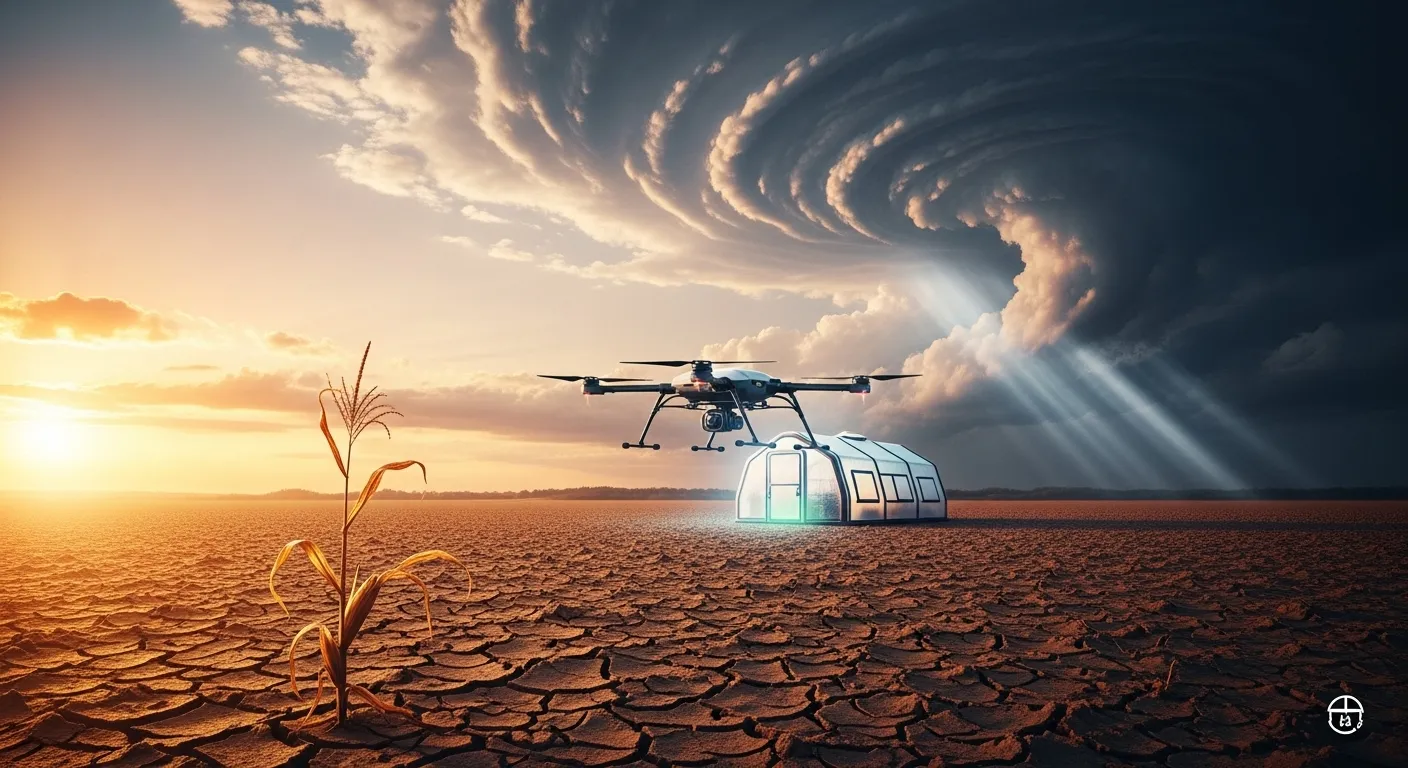
The global food system, a complex web of cultivation, production, and distribution, stands at a critical juncture. For millennia, humanity has honed its agricultural practices based on predictable seasonal patterns and stable climatic conditions. However, the ground beneath our feet—and the sky above it—is changing at an unprecedented rate. The undeniable impact of climate change on agriculture is no longer a distant forecast but a present-day reality, threatening to unravel the very systems that sustain our global population. From the smallest family farm to large-scale industrial agribusinesses, no one is immune to the escalating challenges posed by a warming planet, making the future of agriculture one of the most pressing issues of our time. The Unseen Harvester: How Climate Change Disrupts Global Food Production Agriculture has always been a dance with nature, but climate change is altering the rhythm and steps of this delicate performance. The fundamental pillars of farming—consistent temperature, predictable rainfall, and healthy soil—are being systematically eroded. The global average temperature has already risen by more than 1°C above pre-industrial levels, a figure that masks more extreme regional variations. This seemingly small shift has profound consequences for what can be grown, where it can be grown, and how productive those efforts can be. This disruption extends beyond the farm gate, sending shockwaves through the entire global food supply chain. A drought in a major grain-producing region can lead to price spikes in supermarkets thousands of miles away. A flood that decimates a coffee plantation affects the livelihoods of farmers, exporters, and the local baristas who serve your morning brew. The interconnectedness of our food system means that a climate-induced failure in one corner of the world can create scarcity and economic hardship in another. Food security, defined as the reliable access to a sufficient quantity of affordable, nutritious food, is now under direct threat from climate instability. The core of the problem lies in the physiological response of plants and animals to environmental stress. Most of our staple crops, such as wheat, rice, and corn, have optimal temperature ranges for growth and reproduction. When temperatures consistently exceed these thresholds, plants experience heat stress. This can lead to reduced photosynthesis, stunted growth, and lower yields. For instance, high nighttime temperatures are particularly damaging for rice, as they interfere with the grain-filling process, resulting in smaller, less nutritious grains. Similarly, livestock suffer from heat stress, leading to decreased milk production, lower fertility rates, and increased vulnerability to diseases. Shifting Weather Patterns and Their Agricultural Consequences Perhaps the most visible impact of climate change on agriculture is the increasing volatility and unpredictability of weather patterns. The concept of "normal" seasons is becoming obsolete as farmers grapple with weather that swings from one extreme to another. These shifts disrupt planting and harvesting schedules that have been refined over generations, forcing farmers into a constant state of reactive adaptation rather than proactive planning. Extreme Weather Events: Floods and Droughts Droughts and floods represent two sides of the same coin of climate disruption, each with devastating consequences. Prolonged droughts, intensified by higher temperatures that increase evaporation, parch the land and deplete water sources. Soil loses its moisture and structure, becoming compacted and less fertile. This makes it difficult for crops to establish roots and access nutrients, leading to widespread crop failure. Regions like the American West, sub-Saharan Africa, and parts of Australia are already experiencing multi-year "mega-droughts" that threaten the viability of entire agricultural economies. Conversely, when rain does come, it often arrives in short, intense downpours. The dry, compacted soil from a preceding drought cannot absorb this sudden influx of water, leading to massive runoff and flooding. Flash floods can physically wash away crops, erode precious topsoil, and deposit silt and debris on fields, rendering them unusable for future planting. Furthermore, waterlogged soil deprives plant roots of oxygen, leading to root rot and crop death. This destructive cycle of drought followed by deluge places farmers in an almost impossible situation, where they are simultaneously starved of and overwhelmed by water. Altered Precipitation and Water Scarcity Beyond extreme events, subtle but significant changes in overall precipitation patterns are reshaping the agricultural landscape. Many of the world's most productive agricultural regions rely on predictable rainfall, such as the monsoon seasons in South and Southeast Asia. Climate change is making these monsoons more erratic—sometimes arriving late, sometimes delivering less rain, and other times causing catastrophic flooding. This unpredictability jeopardizes the livelihoods of billions who depend on rain-fed agriculture. This aiteration directly impacts water availability for irrigation, which accounts for approximately 70% of all freshwater withdrawals globally. As mountain glaciers and snowpack—natural reservoirs that release water gradually throughout the year—shrink due to warmer temperatures, the rivers they feed become less reliable. This reduction in river flow during dry seasons creates intense competition for water among agriculture, urban centers, and industry. Water scarcity is becoming a primary limiting factor for agricultural expansion and productivity, forcing difficult decisions about which crops to prioritize and which farmlands to abandon. The Hidden Threats: Pests, Diseases, and Soil Degradation While droughts and floods are highly visible, climate change also unleashes a host of less obvious but equally destructive forces. Warmer temperatures and changing humidity levels create new, favorable environments for agricultural pests and diseases to thrive and expand their territories. At the same time, the very foundation of agriculture—the soil itself—is being degraded by these new climatic realities. The Migration and Proliferation of Agricultural Pests Insects and other pests that were once confined to tropical or subtropical regions are now migrating towards the poles as winters become milder. Warmer temperatures allow them to survive in areas that were previously too cold, complete more life cycles per year, and expand their populations exponentially. A prime example is the fall armyworm, a devastating pest that has rapidly spread from the Americas to Africa and Asia, voraciously consuming corn, rice, and other staple crops. This northward march of pests poses a significant threat to regions unprepared to deal with them. Farmers may lack the