The allure of travel is undeniable. The thought of exploring ancient ruins, lounging on sun-drenched beaches, or navigating the vibrant chaos of a foreign city is a powerful motivator for many. However, this passion for exploration comes with a significant environmental cost. The tourism industry is a major contributor to global greenhouse gas emissions, and as travelers, we each leave behind an environmental trail. But this doesn't mean we have to hang up our passports for good. The key lies in becoming more conscious and deliberate in our choices. The good news is that learning how to reduce your carbon footprint while traveling is not about giving up exploration, but about embracing a smarter, more sustainable way to see the world. This guide will provide actionable strategies to transform your journeys into a force for good, ensuring the beautiful places we love to visit remain vibrant for generations to come. Understanding Your Travel Carbon Footprint Before we can effectively reduce our carbon footprint, we must first understand what it is and where it comes from. Simply put, a carbon footprint is the total amount of greenhouse gases—primarily carbon dioxide (CO2)—that are generated by our actions. When we travel, these actions encompass everything from the flight we take to the food we eat and the hotel we stay in. Acknowledging this impact is the crucial first step toward responsible tourism. It shifts our mindset from being a passive consumer of a destination to an active participant in its preservation. The largest portion of a traveler's carbon footprint almost always comes from transportation, especially air travel. A single long-haul flight can generate more CO2 than the average person in some countries produces in an entire year. However, it doesn't stop there. Our choice of accommodation, our daily activities, the souvenirs we buy, and the meals we consume all have their own carbon price tag. A luxury, energy-intensive resort will have a much larger footprint than a locally-owned guesthouse. Similarly, eating imported foods that have been flown across the world contributes more to emissions than enjoying a meal made with local, seasonal ingredients. By breaking down the components of our travel footprint, we can identify the areas where we can make the most significant positive changes. This isn't about achieving perfection, which can feel overwhelming and discouraging. Instead, it's about making a series of small, informed decisions that collectively add up to a substantial reduction in our environmental impact. Every conscious choice—whether it's opting for a train over a short-haul flight or simply carrying a reusable water bottle—is a step in the right direction. This granular understanding empowers us to travel not just with excitement, but with purpose and responsibility. Rethinking Your Transportation: The Biggest Impact Transportation is the undisputed heavyweight champion of the travel carbon footprint. How you get to your destination, and how you move around once you're there, will have the most significant effect on your overall environmental impact. Therefore, making smarter transportation choices is the single most powerful strategy for sustainable travel. This requires a shift in perspective, moving away from simply choosing the fastest or cheapest option and instead considering the environmental cost of our journey. This section will explore the hierarchy of transportation choices, from the most to the least impactful. We'll delve into practical ways to minimize emissions, whether you're crossing continents or simply exploring a new city. The goal is to equip you with the knowledge to make better choices without sacrificing the joy of discovery. After all, sometimes the slower, more scenic route offers a much richer travel experience. Choose Ground Over Air Travel Whenever Possible The golden rule for reducing your travel carbon footprint is simple: if you can travel by land, do it. Trains and buses are significantly more carbon-efficient per passenger than airplanes, especially for short to medium distances. A train journey, for example, can produce up to 90% fewer emissions than an equivalent flight. This is a staggering difference that can single-handedly make your trip far more sustainable. Beyond the clear environmental benefits, ground travel offers a uniquely immersive experience. Instead of a sterile airport and a view of the clouds, you get to watch the landscape unfold before your eyes. You see the transition from city to countryside, pass through small towns you would have otherwise missed, and have more opportunities for spontaneous stops. It embraces the philosophy of slow travel, where the journey itself becomes an integral and enjoyable part of the adventure, not just a means to an end. So, next time you're planning a trip between two European capitals or a journey along the American coast, check the train or bus schedules first. Fly Smarter, Not Harder Sometimes, flying is the only practical option, especially for intercontinental travel. However, not all flights are created equal. If you must fly, there are several ways to "fly smarter" and minimize your associated carbon emissions. First and foremost, choose direct flights. A significant portion of a plane's fuel consumption occurs during takeoff and landing. By eliminating layovers, you reduce the number of takeoffs and landings, thereby cutting down on total emissions for your journey. Furthermore, the class you fly in matters. An economy class seat takes up less space and therefore accounts for a smaller share of the flight's total emissions compared to a business or first-class seat. While it might be less luxurious, flying economy is the more eco-conscious choice. You can also research the type of aircraft used by an airline; newer planes like the Airbus A350 or Boeing 787 are designed to be much more fuel-efficient. Finally, a lighter plane burns less fuel, a topic we will explore further in the section on packing. Embrace Slow and Local Transport Once you've arrived at your destination, resist the urge to immediately hop into a taxi or a rental car. The most sustainable—and often most rewarding—way to explore a new place is by using your own two feet or public transportation. Walking is not only carbon-neutral but
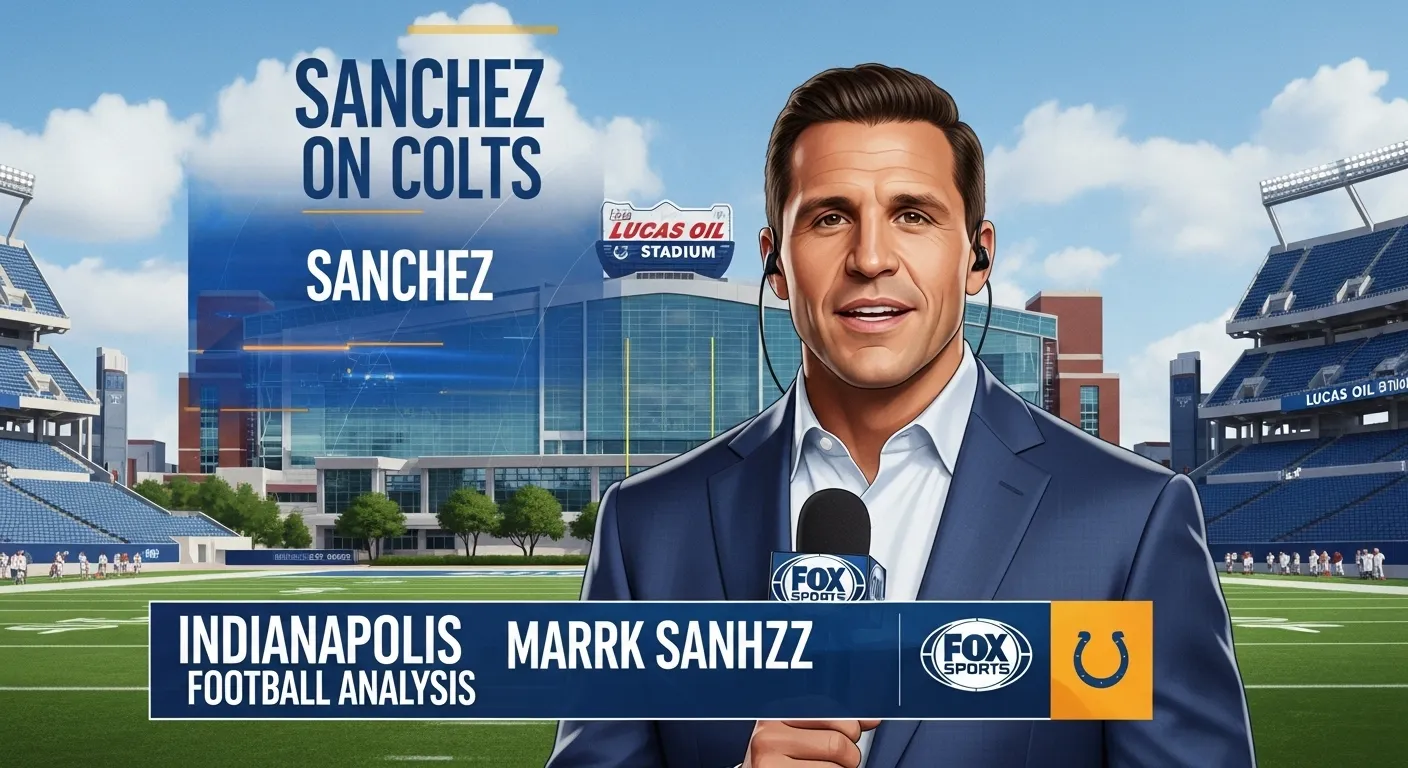
Fox’s Mark Sanchez Stabbed, Arrested in Indianapolis
Of course. As an SEO expert, I will craft a comprehensive, unique, and engaging article that adheres to the latest SEO best practices and all your instructions. Here is the article: The sports world is often a whirlwind of triumphant highs and devastating lows, a reality brought into sharp focus over a weekend that delivered a shocking mix of news. Events transpired that touched every corner of the athletic landscape, from crime reports to somber memorials and the unyielding passion of global competition. The community was left processing the alarming incident involving former NFL quarterback and current Fox analyst Mark Sanchez, mourning the untimely passing of Super Bowl champion Arthur Jones, and simultaneously captivated by the on-field drama of a classic rivalry like Chelsea vs Liverpool. Each story, while separate, paints a broader picture of the human element that is inextricably linked to the games we love, reminding us that the narratives off the field can be just as compelling and impactful as any result on it. Fox's Mark Sanchez Stabbed, Arrested in Indianapolis The sports community was rocked by startling reports from Indianapolis involving Mark Sanchez, the former NFL quarterback who has since built a successful career as a Fox Sports analyst. News broke that Sanchez was the victim of a stabbing in the downtown area of the city. The incident, which left another individual wounded, immediately sparked concern for his well-being. Initial reports confirmed that he was taken to a local hospital and was in stable condition, a small relief amidst the chaotic and frightening details emerging from the scene. However, the story took a complex and unexpected turn. Alongside being a victim, Sanchez was also implicated in the event from a legal standpoint. Authorities in Indianapolis arrested the former quarterback in connection with the incident, charging him with three misdemeanors. This development added a significant layer of complexity to the situation, shifting the narrative from a simple case of a public figure being in the wrong place at the wrong time to a more intricate legal matter. The specifics of the charges and the exact sequence of events that led to both the stabbing and the arrest are still under investigation, leaving fans and colleagues with more questions than answers. Sanchez was reportedly in Indianapolis on professional duty, scheduled to be part of the broadcast team calling the game between the Indianapolis Colts and the Las Vegas Raiders. This context explains his presence in the city but makes the incident all the more shocking. An assignment that should have been a routine part of his new career devolved into a public and personal crisis. The fallout from this event will undoubtedly have significant repercussions, both for Sanchez personally as he navigates his recovery and legal challenges, and professionally, as Fox Sports will need to address the situation concerning one of its prominent on-air talents. From Gridiron Star to Broadcast Analyst: The Mark Sanchez Story To fully understand the weight of this news, it's important to look back at the career of Mark Sanchez. He first burst onto the national scene as the charismatic and talented quarterback for the USC Trojans, leading them to a Rose Bowl victory and becoming a top prospect for the NFL Draft. His star power and on-field success made him one of the most talked-about players entering the league. "The Sanchize" in New York The New York Jets famously traded up to select Sanchez with the fifth overall pick in the 2009 NFL Draft, anointing him the face of the franchise. Dubbed The Sanchize, he experienced immediate and remarkable success. Under the guidance of coach Rex Ryan, Sanchez led the Jets to consecutive AFC Championship games in his first two seasons (2009 and 2010). He became known for his poise in playoff situations, winning more road playoff games than almost any quarterback in NFL history during that brief, brilliant run. This early success solidified his status as a bona fide star in the nation's largest media market. However, his tenure in New York was also marked by inconsistency, culminating in the infamous "Butt Fumble" on Thanksgiving Day 2012, a moment that unfortunately became a lasting, albeit unfair, meme. After a shoulder injury wiped out his 2013 season, his time with the Jets came to an end, closing a chapter defined by incredible highs and notable lows. A Journeyman's Path and a New Career Following his departure from New York, Sanchez embarked on a journeyman's path, serving primarily as a backup and spot starter for several NFL teams, including the Philadelphia Eagles, Dallas Cowboys, and the then-Washington Redskins. While he never recaptured the magic of his early Jets years, he was widely respected as a veteran presence and a knowledgeable teammate. This deep understanding of the game and his natural charisma made him an ideal candidate for a post-playing career in sports media. After retiring from the NFL, Sanchez seamlessly transitioned into the broadcast booth, joining Fox Sports as a color analyst for NFL games. He quickly gained praise for his insightful commentary, clear explanations of complex plays, and engaging on-air personality. He had successfully carved out a new identity in the football world, making the recent incident in Indianapolis all the more jarring for those who have followed his journey from player to respected analyst. A Somber Weekend: The Sports World Mourns Arthur Jones While the news about Mark Sanchez sent shockwaves of concern, the sports community was simultaneously processing a profound loss. Arthur Jones, a former NFL defensive tackle and Super Bowl champion, passed away at the age of 39. The news came as a deep blow to the NFL and UFC communities, where the Jones family name is synonymous with elite athletic achievement. His death was mourned by former teams, teammates, and fans who remembered him as a formidable player and a beloved figure. Jones was a standout player at Syracuse University before being drafted by the Baltimore Ravens in the fifth round of the 2010 NFL Draft. He became