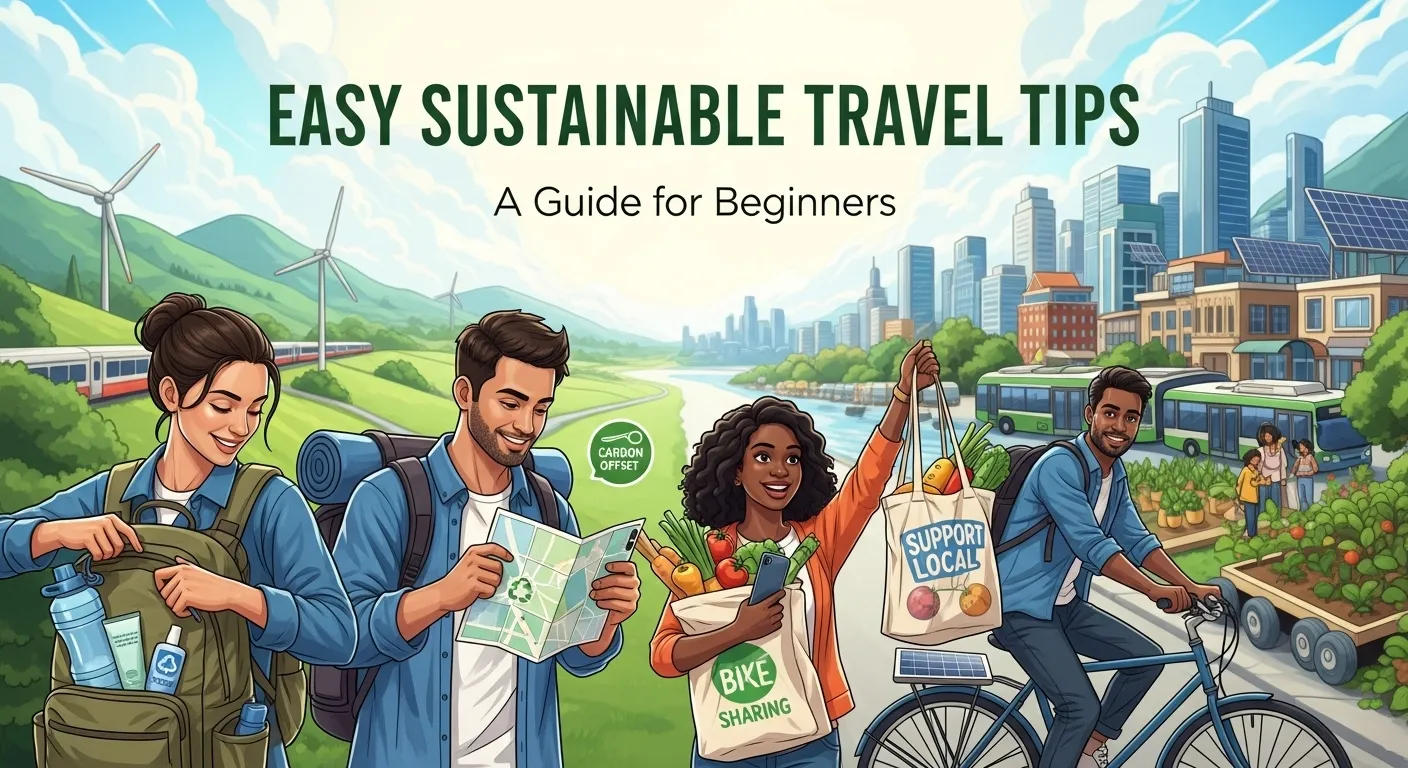
Traveling the world is one of life's greatest pleasures, opening our eyes to new cultures, landscapes, and experiences. But as we explore, it's increasingly important to consider our impact on the places we visit. Sustainable travel isn't about giving up adventure; it's about making our adventures more meaningful and less impactful on the planet and its people. It’s about ensuring that future generations can also enjoy the wonders of our world. If you're new to this concept, don't be intimidated. This comprehensive guide is packed with easy and actionable sustainable travel tips for beginners to help you embark on a journey that is both incredible and responsible. Understanding Sustainable Travel: More Than Just "Green" Before diving into the practical tips, it's crucial to understand what sustainable travel truly means. Often, people equate it solely with environmentalism—like reducing plastic or offsetting carbon emissions. While those are vital components, true sustainability rests on three core pillars: environmental, social, and economic. This holistic approach ensures that travel benefits everyone and everything involved, from the local ecosystem to the community that calls a destination home. The environmental pillar is the most well-known. It involves protecting natural resources, conserving biodiversity, and minimizing our pollution and waste. The social pillar, or socio-cultural pillar, focuses on respecting local cultures, traditions, and heritage. It's about engaging in authentic cultural exchange that honors and empowers local communities rather than exploiting them. Finally, the economic pillar is about ensuring that the financial benefits of tourism are distributed fairly and remain within the local community, contributing to its long-term well-being and development. For a beginner, this might sound complex, but it boils down to one simple principle: making conscious choices. Every decision, from the flight you book to the souvenir you buy, has a ripple effect. The goal isn't to be a "perfect" sustainable traveler overnight. It's about taking small, manageable steps and continuously learning. By embracing this mindset, you transform from a mere tourist into a mindful visitor who contributes positively to the places you explore. Planning Your Trip: The Foundation of Sustainability The most impactful sustainable travel decisions are often made long before you pack your bags. Thoughtful planning is the bedrock of a responsible journey. How you get to a destination, where you stay, and what you pack all play a significant role in determining your overall footprint. Taking the time to research and make conscious choices during this phase will set you up for a more meaningful and low-impact trip. Transportation, for instance, is one of the biggest contributors to a traveler's carbon footprint, with air travel being the primary culprit. When possible, consider alternatives. Trains are often a fantastic, scenic, and lower-carbon option for overland travel. If flying is unavoidable, opt for direct flights, as takeoffs and landings consume the most fuel. Additionally, consider choosing airlines with more modern, fuel-efficient fleets and a public commitment to sustainability. The destination itself is another critical factor. The phenomenon of "overtourism" has put immense strain on popular cities like Venice and Barcelona, damaging infrastructure and displacing locals. Consider visiting during the shoulder season or off-season when crowds are thinner. Better yet, explore second-tier cities or lesser-known regions. This not only alleviates pressure on tourist hotspots but also spreads the economic benefits of tourism to areas that need it more, often providing a more authentic and relaxed experience. 1. Choosing Eco-Conscious Accommodation Where you sleep matters. The hotel industry is notoriously resource-intensive, but a growing number of accommodations are adopting sustainable practices. When booking, look beyond the price and photos. Investigate the property's commitment to sustainability. Do they have policies for water and energy conservation? Do they hire staff from the local community and pay fair wages? Do they source their food from local producers? Look for certifications that can help you identify genuinely green properties. Globally recognized labels like Green Key, EarthCheck, or LEED certification are good indicators. However, don't discount small, independent establishments that may not have the budget for official certification but are deeply committed to their community and environment. Locally-owned guesthouses, family-run B&Bs, and homestays are excellent choices. Not only do they offer a more authentic cultural experience, but they also ensure your money directly supports local families. 2. The Art of Packing Light and Smart Packing is more than just deciding which outfits to bring; it’s a strategic opportunity to reduce waste and your carbon footprint. First, pack light. Every extra kilogram in your luggage contributes to the aircraft's weight, causing it to burn more fuel. A lighter bag is not only better for the planet but also much easier to carry around, especially if you're using public transport. Plan a capsule wardrobe with versatile pieces that can be mixed and matched. Second, pack for a zero-waste journey. Single-use plastics are a global problem, and tourist areas are often the hardest hit. By bringing your own reusable items, you can prevent dozens of plastic bottles, cups, and bags from ending up in landfills or oceans. Here are some essentials for your sustainable travel kit: A reusable water bottle: A must-have. Many airports have water refill stations, and you can refill it at your accommodation. A solid toiletries bar: Shampoo, conditioner, and soap bars eliminate the need for plastic mini-bottles and are travel-friendly. A reusable coffee cup or thermos: Perfect for your daily coffee or tea on the go. A reusable tote bag: Indispensable for shopping at local markets or carrying your daily essentials. A set of reusable cutlery and a straw: Useful for street food or take-out meals. On the Ground: Making a Positive Impact During Your Travels Once you've arrived at your destination, your choices continue to shape your impact. This is where the social and economic pillars of sustainability truly come into play. Being a responsible traveler on the ground means interacting with the local culture and environment in a way that is respectful, supportive, and non-exploitative. It’s about being a guest in someone else’s home, not just a consumer. A fundamental