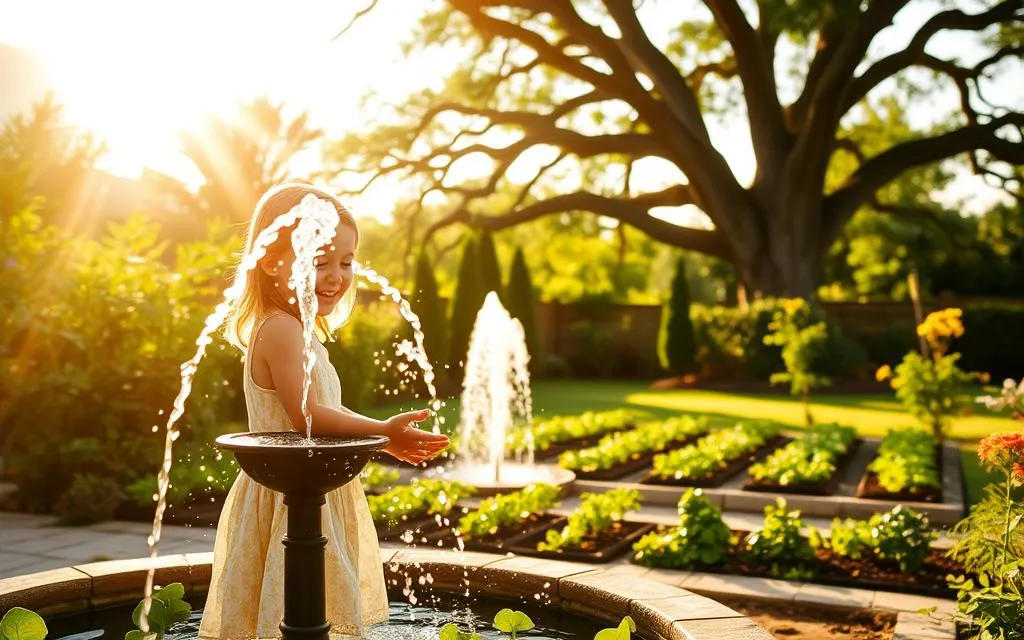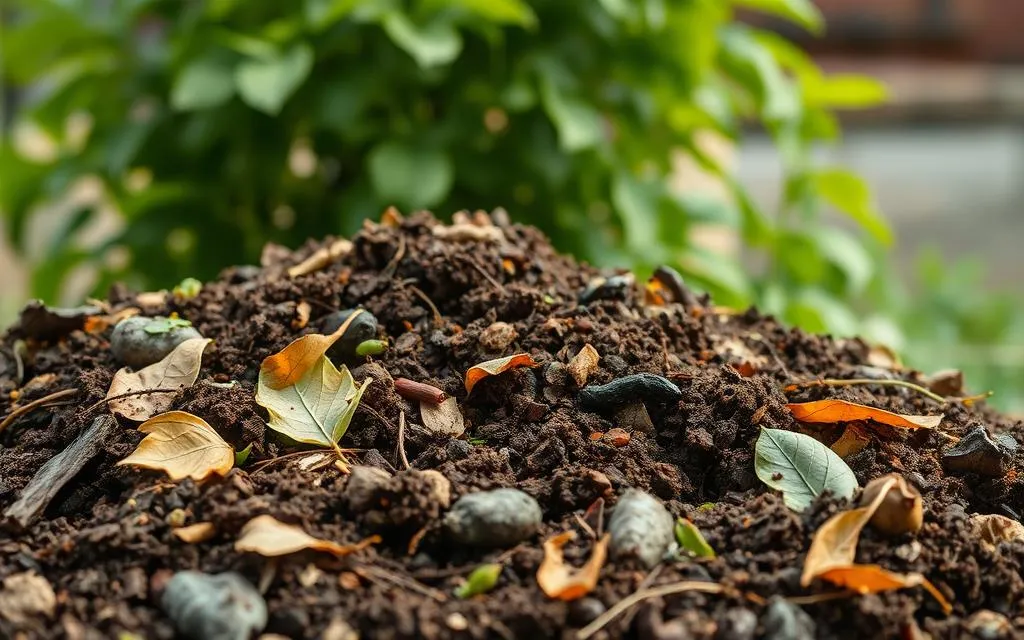
Creating a wildlife-friendly garden is more than just a trend—it’s a meaningful way to support biodiversity, reduce environmental impact, and connect with nature. As urbanization expands, gardens have become crucial habitats for pollinators, birds, and small mammals. By implementing simple strategies, you can transform your outdoor space into a haven for wildlife while enjoying the beauty and serenity of a thriving ecosystem. This article provides a comprehensive guide on how to create a wildlife friendly garden, covering essential steps, practical tips, and sustainable practices to ensure long-term success. Whether you’re a seasoned gardener or a beginner, the following sections will equip you with the knowledge to design a garden that not only enhances your surroundings but also plays a vital role in preserving local wildlife. — Plan Your Garden Layout for Maximum Biodiversity Designing a wildlife-friendly garden starts with a thoughtful layout that mimics natural ecosystems. A well-planned garden creates a balanced environment where different species can coexist and thrive. By considering the needs of various wildlife, you can maximize the garden’s functionality while maintaining its aesthetic appeal. 1. Assess Your Garden’s Potential Before planting, evaluate your garden’s size, sunlight exposure, and soil type. This analysis helps you determine which plants will grow best and which wildlife species are likely to inhabit your space. For instance, a shaded area might attract shade-loving plants like ferns and mosses, which can provide shelter for small creatures. On the other hand, a sunny spot is ideal for flowering plants that attract bees and butterflies. Remember, every corner of your garden can serve a purpose, from a dry patch for insects to a water source for birds. 2. Incorporate Layers for Habitat Diversity A wildlife-friendly garden should have multiple layers—ground cover, shrubs, and trees—to create diverse microhabitats. This vertical structure supports a wide range of species, from ground-dwelling insects to canopy-dwelling birds. For example, tall grasses and wildflowers provide food and shelter for bees and butterflies, while taller shrubs and trees offer nesting sites for birds and small mammals. By layering your garden, you create a self-sustaining environment that mimics natural habitats, encouraging wildlife to settle and flourish. 3. Avoid Over-Cultivation Over-cultivated gardens often lack the natural elements that wildlife depends on. Leave patches of undisturbed soil, allow some areas to grow wild, and avoid frequent mowing. These small changes can create spaces for earthworms, beetles, and other beneficial organisms. Unmanaged areas also serve as natural refuges for hedgehogs, frogs, and lizards. Additionally, integrating natural elements like rocks, logs, and deadwood can provide hiding spots and breeding grounds for insects and small animals. — Select Native Plants to Support Local Ecosystems Native plants are the cornerstone of a wildlife-friendly garden, as they are adapted to the local climate, soil, and wildlife. These plants require less water, fertilizer, and pesticides, making them both eco-friendly and cost-effective. Moreover, they provide essential food and shelter for native insects, birds, and mammals. 1. Benefits of Native Plants Native plants form the foundation of local ecosystems, offering food for pollinators and shelter for wildlife. For example, wild geraniums (Geranium maculatum) support native bees, while black-eyed Susans (Rudbeckia hirta) attract butterflies and birds. By choosing native species, you reduce the risk of invasive plants outcompeting local flora and fauna. Native plants also improve soil health and reduce erosion, contributing to a more sustainable garden. 2. How to Identify Native Plants To select the right plants, research which species are indigenous to your region. Local botanical gardens, extension services, and gardening websites can provide reliable lists. For instance, in North America, asters (Symphyotrichum spp.) are native to many regions and provide nectar for bees, while milkweed (Asclepias spp.) is crucial for monarch butterflies. Italics can highlight plant names, such as Digitalis purpurea (foxglove), which supports hummingbirds and bees. By focusing on native plants, you ensure your garden is both ecologically sustainable and visually appealing. 3. Plant Diversity for Year-Round Support A mix of flowering plants, shrubs, and trees ensures that your garden supports wildlife throughout the year. Early-blooming flowers like snowdrops (Galanthus nivalis) provide sustenance for pollinators in spring, while autumn-blooming shrubs such as Cotoneaster offer food for birds and insects during fall. Planting a variety of species also attracts different types of wildlife, from bees and butterflies to birds and small mammals. This diversity strengthens the garden’s ecological resilience and ensures that it remains a welcoming space for nature throughout all seasons. — Add Water Features to Encourage Wildlife Activity Water is a vital resource for all living organisms, and incorporating water features into your garden can significantly enhance its appeal to wildlife. Whether it’s a small pond, birdbath, or stream, these elements attract a wide range of species and provide essential resources for survival. 1. Create a Habitat for Aquatic Life A pond or water garden can become a thriving ecosystem for frogs, dragonflies, and waterfowl. To support aquatic life, include a variety of plants like Water lilies (Nymphaea spp.) and Cattails (Typha spp.), which provide oxygen and shelter for fish and invertebrates. A shallow edge with rocks or logs allows amphibians and insects to access water safely. Adding a small waterfall or stream can also create a dynamic environment that attracts pollinators and birds. 2. Choose the Right Water Features Selecting the appropriate water feature depends on your garden’s size and purpose. A bird bath is ideal for attracting songbirds, while a mini pond can support a broader range of species, including frogs and insects. For larger gardens, a rainwater harvesting system not only provides a sustainable water source but also reduces runoff. Consider the size of your garden: small spaces can benefit from a bowl-shaped birdbath, while larger areas may accommodate a pond or fountain. Ensure the water source is accessible and visible to maximize its impact. 3. Maintain Water Features for Year-Round Use Regular maintenance is crucial to keep water features functional for wildlife. Change the water in birdbaths weekly to prevent algae buildup, and add floating plants to oxygenate ponds. In winter, leave water