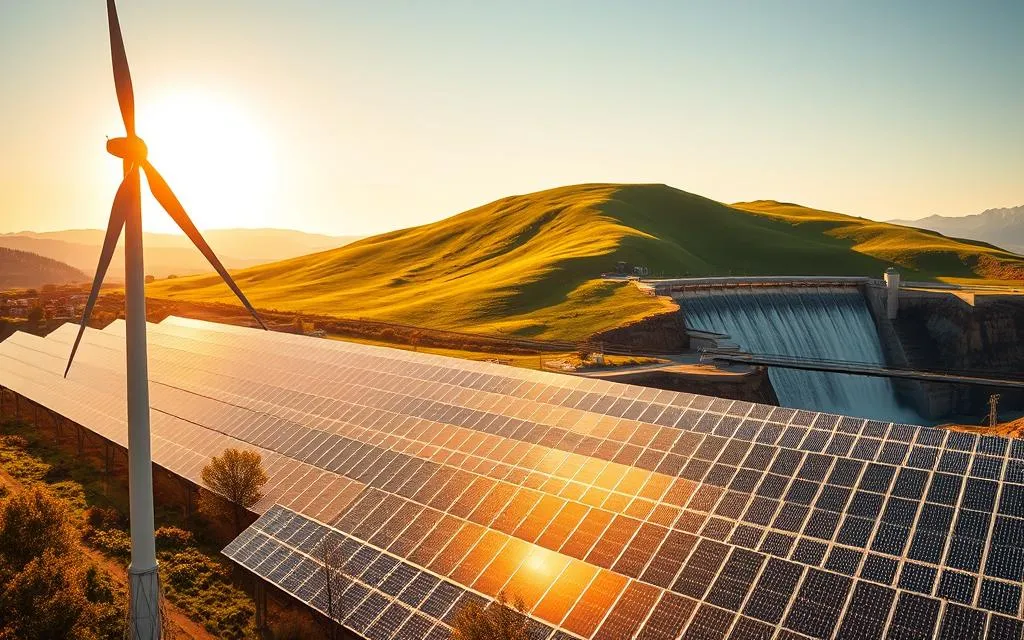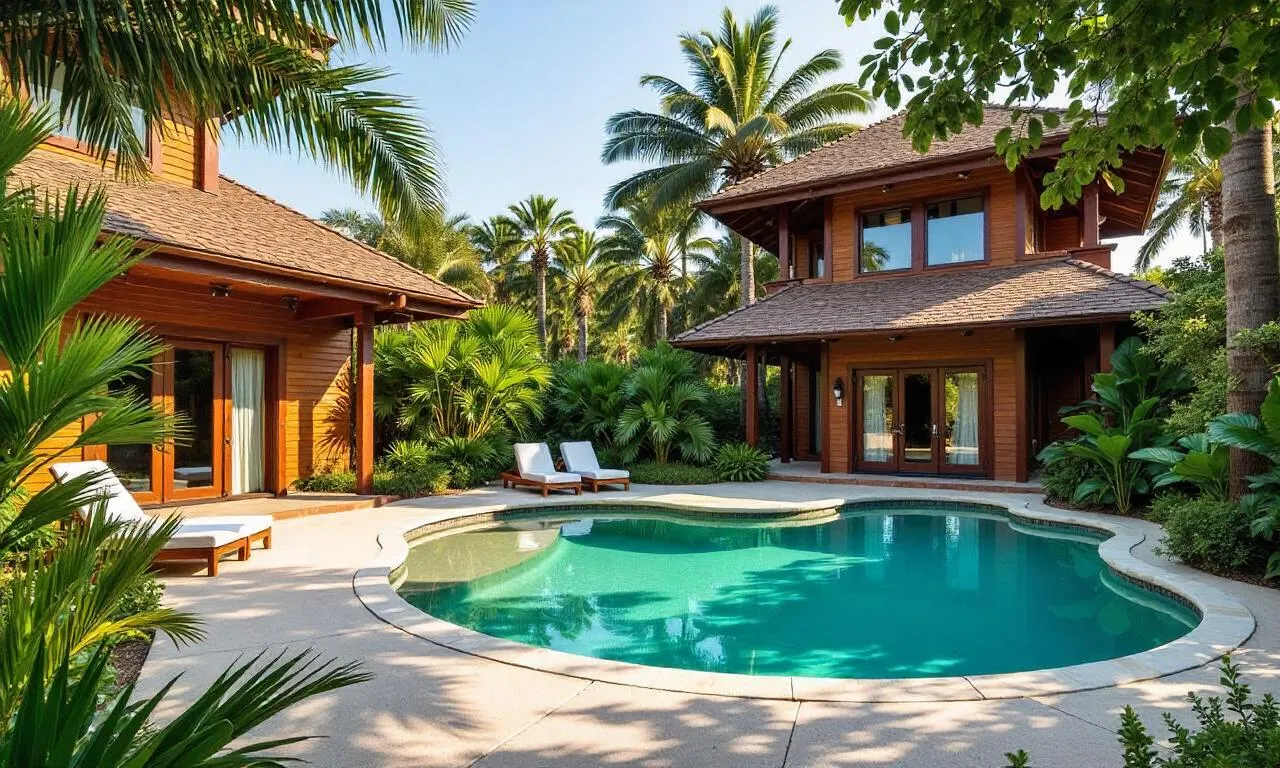
In an era where environmental consciousness is becoming a cornerstone of modern travel, the characteristics of an eco lodge have evolved beyond just sustainability. These unique accommodations are designed to harmonize with nature, offering travelers an immersive experience while minimizing their ecological footprint. From renewable materials to off-grid energy solutions, eco lodges blend functionality with ecological responsibility, setting a new standard for responsible tourism. As the demand for eco-friendly travel options grows, understanding the core characteristics of an eco lodge becomes essential for both business owners and eco-conscious guests seeking a meaningful connection with the environment. This article explores the defining elements that make eco lodges stand out, including sustainable architecture, energy-efficient systems, waste reduction strategies, and community-focused practices, all of which contribute to a greener, more authentic travel experience. — Sustainable Design Principles The characteristics of an eco lodge often begin with its sustainable design principles, which prioritize environmental harmony and long-term resource efficiency. Unlike conventional hotels that rely heavily on concrete and steel, eco lodges incorporate natural materials such as bamboo, reclaimed wood, and locally sourced stone. These materials not only reduce the carbon footprint associated with transportation but also enhance the aesthetic appeal of the structure, creating a seamless blend with the surrounding landscape. 1 Use of Renewable and Local Materials One of the key characteristics of an eco lodge is its commitment to using renewable materials that are biodegradable or recyclable. For example, bamboo is a popular choice due to its rapid growth and strength, making it ideal for flooring, walls, and even furniture. Recycled glass and repurposed metal are also commonly used for decorative elements or structural components. By sourcing materials locally, eco lodges minimize the environmental impact of transportation, supporting local economies while reducing emissions. This approach also ensures that the construction process is less disruptive to the natural environment. The use of natural materials extends beyond just their environmental benefits. These materials often have lower embodied energy compared to synthetic alternatives, meaning they require less energy to produce and transport. Additionally, their biophilic design fosters a sense of connection with nature, encouraging guests to feel more at home in their surroundings. For instance, mud bricks used in arid regions not only regulate indoor temperatures naturally but also reflect the local culture and traditions. 2 Integration with Natural Surroundings Eco lodges are often built in harmony with their environment, incorporating green architecture principles that minimize land disruption. This might involve designing with existing topography, using natural ventilation to reduce reliance on air conditioning, or planting native vegetation to create a living facade. The goal is to make the lodge invisible to the landscape, blending into the environment rather than dominating it. This integration is not just visual but functional. For example, eco lodges in coastal areas might feature raised platforms to protect against rising sea levels, while those in forests may be constructed with minimal ground disturbance to preserve wildlife habitats. Such designs ensure that the lodge does not harm the ecosystem but instead supports its preservation. By avoiding the use of harmful chemicals and non-biodegradable products, eco lodges maintain the purity of their natural surroundings. 3 Energy-Efficient and Low-Impact Construction The construction of eco lodges is another critical aspect of their characteristics. These lodges are built with low-impact techniques, such as using green roofs or rainwater harvesting systems, to reduce resource consumption. Energy-efficient systems are also a hallmark of eco lodges, from insulated walls to double-glazed windows, which help maintain indoor temperatures with minimal energy input. Furthermore, eco lodges often prioritize passive design principles, such as orienting buildings to maximize natural light and minimizing heat loss. This not only reduces energy bills but also enhances the comfort and ambiance of the space. By avoiding large-scale landfills during construction and using eco-friendly finishes, these lodges ensure that their carbon footprint is kept to a minimum. Such efforts reflect a broader commitment to sustainable living and environmental preservation, making them a compelling choice for eco-conscious travelers. — Eco-Friendly Energy Solutions A defining characteristic of an eco lodge is its commitment to renewable energy. Traditional hotels often rely on fossil fuels, contributing to greenhouse gas emissions and climate change. In contrast, eco lodges harness solar power, wind energy, and geothermal systems to meet their energy needs. These eco-friendly energy solutions not only reduce the environmental impact of the lodge but also provide long-term cost savings and energy independence. 1 Solar Power and Photovoltaic Systems Solar power is one of the most common eco-friendly energy solutions in eco lodges. Photovoltaic panels installed on rooftops or integrated into the structure generate clean, renewable energy for lighting, heating, and other essential functions. For example, eco lodges in sunny regions often use solar water heaters to reduce reliance on gas or electric heating, which can significantly lower their energy consumption. The characteristics of an eco lodge also include energy-efficient technologies, such as smart lighting systems that adjust brightness based on occupancy and solar-powered outdoor lights that illuminate paths without consuming excess electricity. By maximizing solar energy utilization, these lodges can operate off-grid, reducing their carbon footprint and promoting sustainable energy practices. This not only benefits the environment but also ensures long-term viability for the business, as renewable energy sources are becoming increasingly cost-effective. 2 Wind Energy and Micro-Hydro Systems In addition to solar power, eco lodges may incorporate wind energy to meet their energy needs. Wind turbines mounted on-site generate electricity, especially in regions with consistent wind patterns. For instance, eco lodges in coastal or mountainous areas can leverage micro-hydro systems to harness the kinetic energy of flowing water. These eco-friendly energy solutions are often complementary, allowing the lodge to reduce dependency on fossil fuels. By designing energy systems that adapt to the local environment, eco lodges ensure maximal efficiency. This might involve installing wind turbines that are tailored to the region’s climate or building micro-hydro dams that support local ecosystems. The characteristics of an eco lodge also include energy storage systems such as batteries, which store excess energy