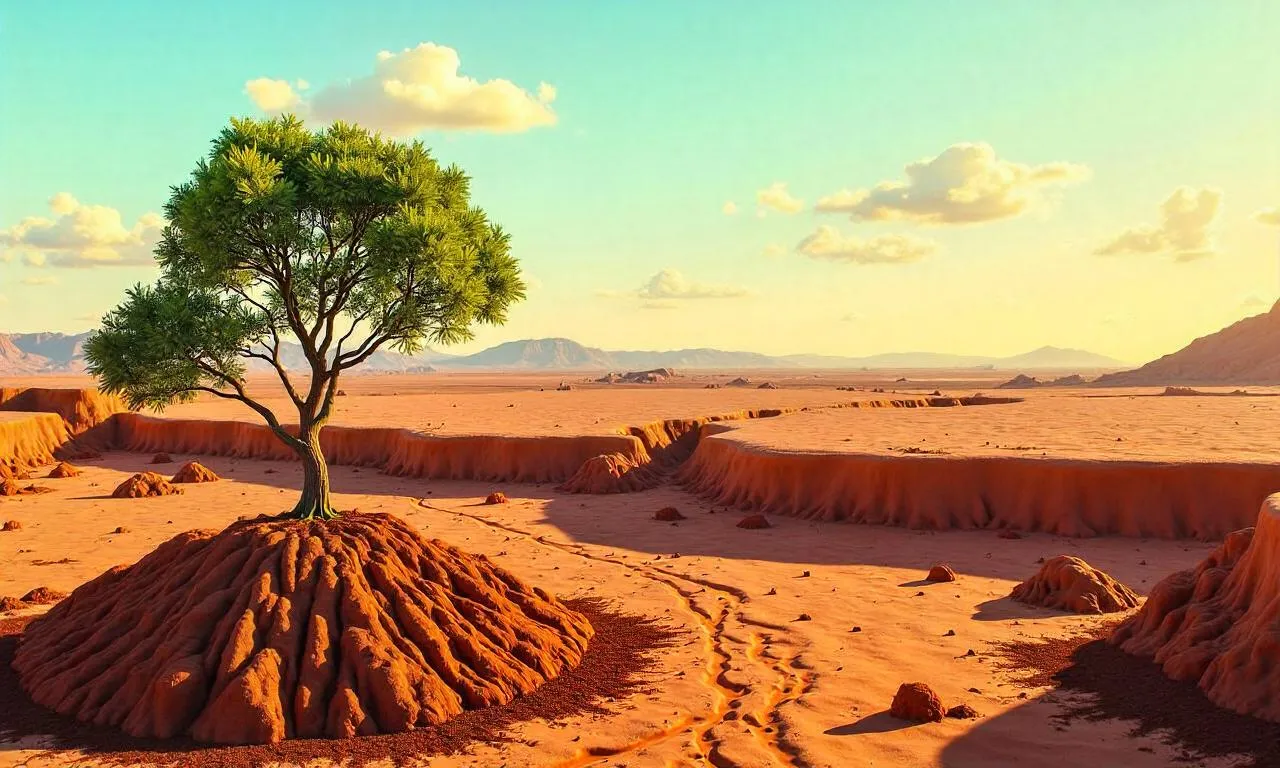
Long term effects of soil erosion are a critical concern for environmental sustainability, agriculture, and human livelihoods. Over time, soil erosion not only degrades the land but also triggers a cascade of consequences that affect ecosystems, water resources, and even the global climate. This article delves into the long term effects of soil erosion, exploring its impact on the environment, agriculture, water quality, biodiversity, and economic stability. By understanding these effects, we can better appreciate the urgency of implementing effective mitigation strategies to preserve soil health and ensure long-term ecological balance. Environmental Impact of Soil Erosion Soil erosion is one of the most pressing environmental challenges, with far-reaching consequences that extend beyond the immediate loss of topsoil. The long-term effects of soil erosion on ecosystems are profound, as it disrupts natural processes and weakens the foundation of life-supporting systems. One of the most visible long-term effects of soil erosion is land degradation. As the top layer of soil—rich in organic matter and nutrients—disappears, the land becomes less productive and more prone to desertification. In regions where erosion is severe, the soil may transform into a barren landscape, incapable of supporting vegetation or sustaining wildlife. This degradation not only affects the aesthetics of the land but also reduces its ability to act as a carbon sink, exacerbating climate change. The loss of topsoil is a particularly devastating outcome of soil erosion. Topsoil is the most fertile layer, containing essential nutrients and microorganisms that support plant growth. Over decades, repeated erosion can strip away this vital layer, leaving behind subsoil that is less conducive to agriculture and more difficult to replenish. This process leads to a decline in soil biodiversity, as the unique organisms that thrive in topsoil are displaced or destroyed. The consequences are not immediate; they unfold slowly, undermining the resilience of ecosystems and their ability to recover from disturbances. 1. Land Degradation and Desertification Land degradation caused by soil erosion is a slow but irreversible process. In areas with high erosion rates, the land loses its ability to retain water and nutrients, leading to desertification. This phenomenon is particularly alarming in arid and semi-arid regions, where the soil is already fragile. Over time, the long term effects of soil erosion can transform once-fertile land into a desert, forcing communities to migrate or adapt to harsher conditions. Desertification is not just a loss of land; it is a complex interaction of natural and human factors. Overgrazing, deforestation, and unsustainable farming practices accelerate erosion, making the land more vulnerable to extreme weather events. The long term effects of soil erosion in these areas include the loss of vegetation cover, reduced groundwater recharge, and increased salinity. For example, in the Sahel region of Africa, decades of erosion have led to the expansion of desert areas, threatening food security and water availability for millions. Region Average Soil Erosion Rate (tons per hectare per year) Agricultural Loss Economic Cost (USD per hectare) Sub-Saharan Africa 20-50 30% of arable land lost 1,200 South Asia 15-40 25% reduction in crop yields 800 North America 10-30 10% soil fertility decline 600 This table highlights the long term effects of soil erosion across different regions, illustrating how erosion rates, agricultural losses, and economic costs vary. 2. Loss of Soil Fertility and Nutrient Depletion Soil erosion not only removes the top layer but also depletes the nutrients essential for plant growth. The long term effects of soil erosion include a gradual decline in soil fertility, as the most nutrient-rich particles are carried away by water or wind. This process, known as nutrient leaching, reduces the availability of phosphorus, potassium, and nitrogen, which are crucial for sustaining crops and natural vegetation. Over time, the loss of nutrients can lead to a cycle of degradation. Without regular replenishment, the soil becomes less capable of supporting life, forcing farmers to rely on synthetic fertilizers to maintain productivity. However, this approach is unsustainable in the long run, as it increases chemical runoff and soil compaction. The long term effects of soil erosion also include changes in soil structure, making it harder for water to penetrate and for roots to establish. This creates a feedback loop that accelerates land degradation and reduces the land’s ability to recover. Agricultural Consequences of Soil Erosion The long term effects of soil erosion on agriculture are particularly severe, as they directly impact food production and the livelihoods of farming communities. Soil erosion reduces the productivity of farmland, leading to long-term economic and food security challenges. One of the most immediate effects of soil erosion in agriculture is reduced crop yields. As the topsoil is lost, the soil’s ability to support plant growth diminishes. This is especially problematic in regions that depend heavily on subsistence farming, where even a small decline in productivity can have significant consequences. The long term effects of soil erosion include a decline in soil organic matter, which is critical for maintaining soil structure and fertility. Over time, this results in poorer water retention, increased erosion, and lower agricultural output. 1. Decreased Soil Productivity and Crop Yields The long term effects of soil erosion on crop yields are cumulative, meaning they worsen over time as the soil continues to degrade. In areas with prolonged erosion, the soil becomes compacted and less aerated, making it difficult for roots to access nutrients and water. This leads to stunted plant growth and lower harvests, which can have ripple effects on food prices and availability. Moreover, soil erosion can lead to the loss of soil biodiversity, as the microorganisms and organic matter that support plant health are carried away. This decline in biodiversity reduces the soil’s ability to cycle nutrients and support microbial activity, further diminishing its productivity. The long term effects of soil erosion also include increased reliance on fertilizers, which can lead to soil acidification and nutrient imbalances. Over decades, these factors can render farmland unproductive and economically unviable. 2. Economic Costs of Agricultural Loss The long term effects of soil erosion in agriculture translate into