
# Top Community-Based Tourism Project Ideas for Rural Development Community-based tourism project ideas are becoming increasingly vital in the global effort to promote sustainable development and preserve cultural heritage in rural areas. As the world shifts toward more environmentally friendly and socially responsible travel practices, community-based tourism offers a unique opportunity to connect travelers with local communities, fostering mutual benefits for both visitors and residents. These project ideas not only generate income for rural areas but also create awareness about traditional lifestyles, conservation efforts, and local crafts. By investing in community-based tourism, stakeholders can contribute to the rural development of underprivileged regions, ensuring long-term economic and social growth. This article explores community-based tourism project ideas that can drive sustainable rural development, emphasizing practical strategies, benefits, and examples to inspire meaningful initiatives. ## Understanding Community-Based Tourism (CBT) Community-based tourism is a form of tourism that empowers local communities by involving them directly in the planning, management, and operation of tourism activities. Unlike traditional tourism models that often prioritize commercial interests, CBT focuses on community participation, cultural exchange, and economic equity. This approach ensures that the benefits of tourism are distributed more evenly among local populations, reducing the environmental and social impacts often associated with mass tourism. One of the core principles of CBT is the sustainability of the project. By integrating eco-friendly practices and supporting local conservation efforts, these initiatives help preserve natural resources and cultural traditions for future generations. For instance, a CBT project in a mountain village might involve activities like guided nature walks or traditional craft workshops, which not only attract tourists but also educate them about the region's ecological and cultural significance. Another essential aspect of CBT is its ability to empower local communities. When residents are involved in tourism activities, they gain new skills, access to markets, and opportunities for entrepreneurship. This leads to long-term economic growth and social development, as communities take ownership of their tourism ventures. ### The Role of Community-Based Tourism in Rural Development Community-based tourism plays a crucial role in rural development by creating jobs, improving infrastructure, and promoting cultural preservation. It also helps reduce poverty and inequality in remote areas by providing income-generating opportunities. For example, a well-designed CBT project can help a village with limited resources by creating employment in hospitality, agriculture, and handicrafts. Moreover, CBT encourages environmental conservation. By involving local communities in tourism activities, these projects promote a sense of responsibility toward preserving natural landscapes and biodiversity. For instance, a project focused on eco-tourism might include tree-planting initiatives, waste management systems, or guided tours that highlight the importance of local ecosystems. This dual focus on economic growth and environmental sustainability ensures that tourism development is both beneficial and responsible. ### Benefits of Community-Based Tourism for Rural Areas Beyond economic benefits, CBT can have social and cultural impacts that strengthen community bonds and preserve traditions. It allows local populations to share their heritage with visitors, fostering cross-cultural understanding. For example, a CBT project might include traditional dance performances or local cuisine experiences, which not only entertain tourists but also preserve cultural practices. In addition, CBT projects often lead to improved infrastructure in rural areas. To accommodate tourists, communities may invest in better roads, sanitation facilities, and public spaces. These improvements not only enhance the visitor experience but also benefit the local population in the long run. A project focused on agrotourism could, for example, lead to the development of community farming centers that serve both tourists and residents. Another significant advantage is the empowerment of women and youth. Many CBT projects involve training programs that equip local residents with new skills, such as hospitality management or marketing. This helps create inclusive opportunities and ensures that the entire community benefits from tourism initiatives. ## Key Considerations for Designing a Successful CBT Project When designing a community-based tourism project, several factors must be considered to ensure its long-term success. First, it is essential to engage the local community from the outset. This includes identifying community needs, involving local leaders, and ensuring that residents have a say in the project’s direction. Without community ownership, the initiative may fail to address local challenges or gain the necessary support. Second, market research is crucial to understand the target audience and tailor the experience accordingly. For instance, a cultural tourism project may focus on artistic traditions if the target audience includes art enthusiasts, while an eco-tourism project might emphasize nature trails and sustainable practices to attract environmentally conscious travelers. Conducting feasibility studies and stakeholder consultations can help refine the project’s offerings and ensure its viability. Finally, sustainable practices should be integrated into the project’s operations. This includes using local resources, minimizing environmental impact, and supporting local economies. For example, a community homestay initiative can promote eco-friendly accommodations and local food sourcing, aligning the project with sustainable tourism principles. ### Community Engagement and Collaboration Collaboration between the local community, tourism operators, and government agencies is essential for the success of community-based tourism projects. Engaging the community ensures that the project reflects their cultural values, local needs, and economic goals. For instance, involving local farmers in a agrotourism project can help create a vibrant rural economy while promoting sustainable farming practices. To facilitate collaboration, it is important to establish clear communication channels and share responsibilities. This includes creating community committees that oversee the project’s operations and ensure that decisions are made collectively. When communities feel included and valued, they are more likely to commit to the project’s success. For example, a cultural heritage preservation project might involve a community committee that decides which traditional practices to showcase and how to manage tourism activities. ### Market Research and Target Audience Analysis Before launching a community-based tourism project, it is essential to conduct comprehensive market research to identify potential tourists and tourism trends. This involves analyzing demographics, travel preferences, and budget constraints. For instance, eco-tourism projects may attract middle-income travelers interested in nature conservation, while cultural tourism projects may appeal to historical and heritage enthusiasts. Understanding the target
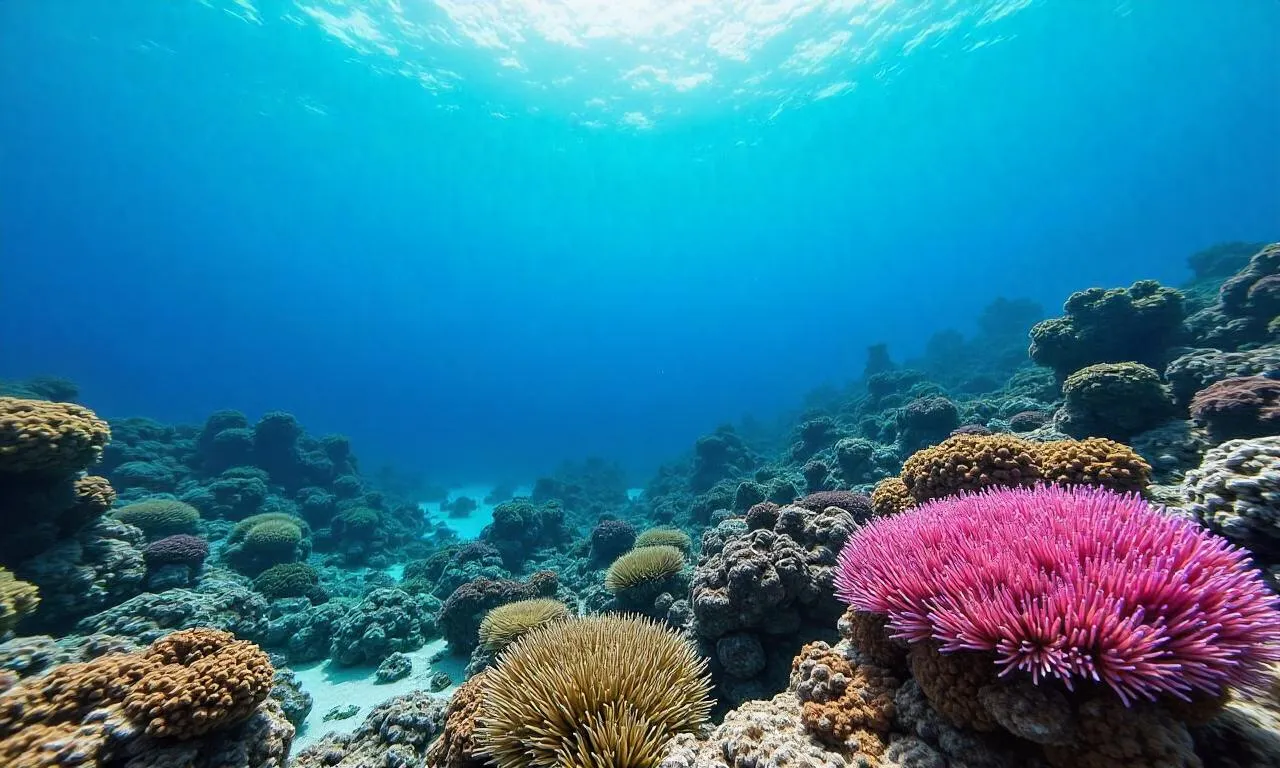
Top Threats to Coral Reefs: A Guide to Understanding the Dangers
# Top Threats to Coral Reefs: A Guide to Understanding the Dangers What are the main threats to coral reefs? These vibrant ecosystems, often called *“the rainforests of the sea,”* are facing an alarming decline due to a combination of natural and human-induced factors. As we delve into the complexities of coral reef degradation, it becomes clear that their survival hinges on addressing these challenges. From rising ocean temperatures to destructive fishing practices, the threats to coral reefs are multifaceted and urgent. This article explores the top threats to coral reefs in detail, providing insights into their causes, consequences, and potential solutions. By understanding these dangers, we can take meaningful steps to protect one of Earth’s most valuable and fragile environments. ## 1. Climate Change: The Primary Threat ### 1.1 Rising Sea Temperatures Climate change is the most significant threat to coral reefs, driven primarily by global warming and the subsequent rise in sea surface temperatures. Coral reefs are highly sensitive to temperature fluctuations, and even a 1°C increase can trigger widespread coral bleaching. This process occurs when corals expel the symbiotic algae (zooxanthellae) that provide them with nutrients and their vibrant colors. The Intergovernmental Panel on Climate Change (IPCC) reports that global temperatures have risen by 1.1°C since the pre-industrial era, accelerating the frequency and intensity of heat stress events. These events not only lead to bleaching but also weaken corals’ ability to recover, making them more susceptible to disease and mortality. ### 1.2 Warming Oceans and Coral Bleaching The warming of ocean waters is directly linked to climate change, with ocean temperatures rising at an unprecedented rate. Corals rely on stable temperatures to maintain their delicate balance of photosynthesis and calcification. When temperatures soar above their tolerance levels, corals begin to bleach, a visible sign of distress. Mass bleaching events, such as the 2016 and 2017 bleaching of the Great Barrier Reef, have devastated large swaths of coral, killing millions of reef-building organisms. According to the National Oceanic and Atmospheric Administration (NOAA), over 50% of the world’s coral reefs have been lost in the past three decades due to recurring bleaching episodes. ### 1.3 Ocean Acidification Another consequence of climate change is ocean acidification, a process caused by the absorption of excess carbon dioxide (CO₂) from the atmosphere. When CO₂ dissolves in seawater, it forms carbonic acid, lowering the pH level of the ocean. This acidification reduces the availability of calcium carbonate, a critical component for coral growth and reef structure formation. The UN Environment Programme highlights that ocean acidification has reduced the availability of carbonate ions by 26% since the industrial revolution, hindering corals’ ability to build and maintain their skeletons. Combined with warming waters, this dual threat creates a perfect storm for coral reef collapse. — ## 2. Pollution and Waste Discharge ### 2.1 Runoff and Nutrient Overload Pollution, particularly nutrient runoff from agricultural and urban areas, is a major contributor to the degradation of coral reefs. Excess nitrogen and phosphorus from fertilizers and sewage seep into coastal waters, fueling algal blooms that smother corals and block sunlight. These algae compete with corals for space and nutrients, weakening the reef ecosystem. The Global Coral Reef Monitoring Network (GCRMN) notes that 80% of coral reefs are under threat from coastal pollution, making it one of the most pressing issues. ### 2.2 Plastic and Chemical Contaminants Plastic waste and chemical pollutants further compound the problems faced by coral reefs. Plastic debris can entangle marine life and release harmful microplastics into the water, which are ingested by coral polyps and disrupt their physiological functions. Additionally, toxic chemicals such as pesticides and heavy metals from industrial discharge poison the water and reduce coral resilience. The Ocean Conservancy estimates that over 8 million tons of plastic enter the oceans annually, with a significant portion ending up near coral reefs. These pollutants not only harm corals but also threaten the biodiversity they support. ### 2.3 Oil Spills and Industrial Waste Industrial activities, including oil drilling and shipping, pose a severe risk to coral reefs through oil spills and waste discharge. Oil can coat coral surfaces, blocking gas exchange and reducing oxygen levels in the water. Industrial waste, such as heavy metals and organic compounds, can also accumulate in reef sediments, causing long-term damage. The 2010 Deepwater Horizon oil spill, for example, impacted over 1,000 miles of coastline, including coral reefs in the Gulf of Mexico. Such incidents underscore the need for stricter regulations on maritime and industrial practices. — ## 3. Overfishing and Destructive Fishing Practices ### 3.1 Depletion of Key Species Overfishing disrupts the delicate ecological balance of coral reef ecosystems by removing keystone species such as parrotfish and herbivorous fish. These species play a critical role in controlling algae growth, which, if left unchecked, can overwhelm corals. The Food and Agriculture Organization (FAO) states that over 30% of marine fish species are now overexploited, with coral reefs being among the hardest-hit habitats. The loss of fish populations not only affects coral health but also threatens the livelihoods of millions of people who depend on reef fisheries. ### 3.2 Destructive Fishing Techniques Destructive fishing methods such as trawling and blast fishing are particularly damaging to coral reefs. Trawling involves dragging heavy nets across the seafloor, destroying coral habitats and scouring the seabed. Blast fishing, which uses explosive charges to stun fish, can physically damage reefs and kill marine life in the blast radius. These practices are common in coastal regions where fishing communities rely on quick catches to sustain their economies. The World Wildlife Fund (WWF) reports that 90% of the world’s coral reefs are now being fished unsustainably, leading to long-term ecological damage. ### 3.3 Bycatch and Habitat Destruction Bycatch, the unintentional capture of non-target species, is another consequence of overfishing that harms coral reefs. Many species of fish and invertebrates that live in and around reefs are caught as bycatch, reducing biodiversity and altering food webs. Additionally, fishing gear such as gillnets and dredges can damage reef structures