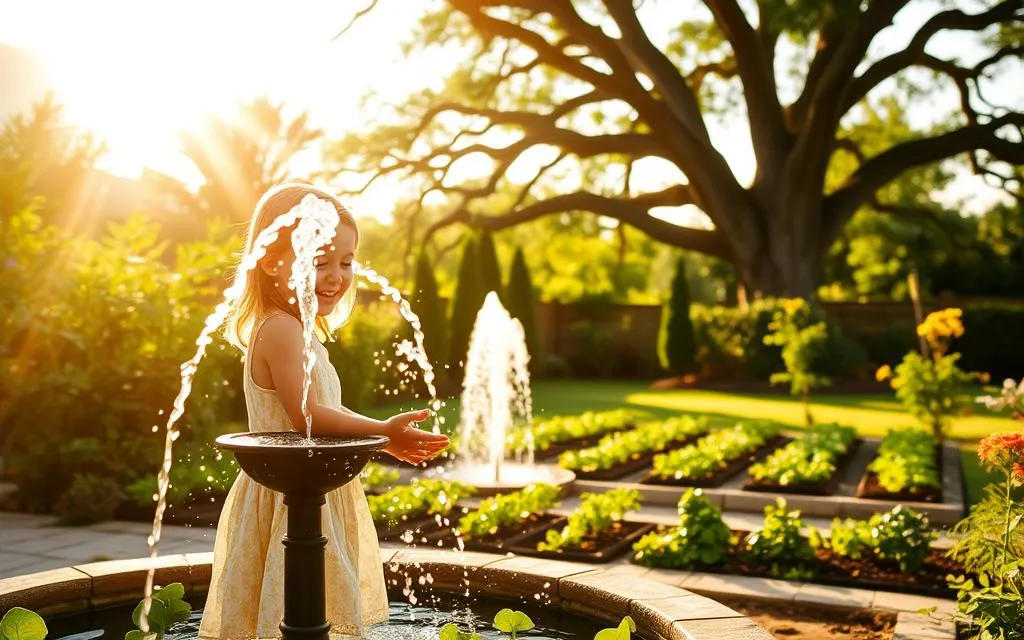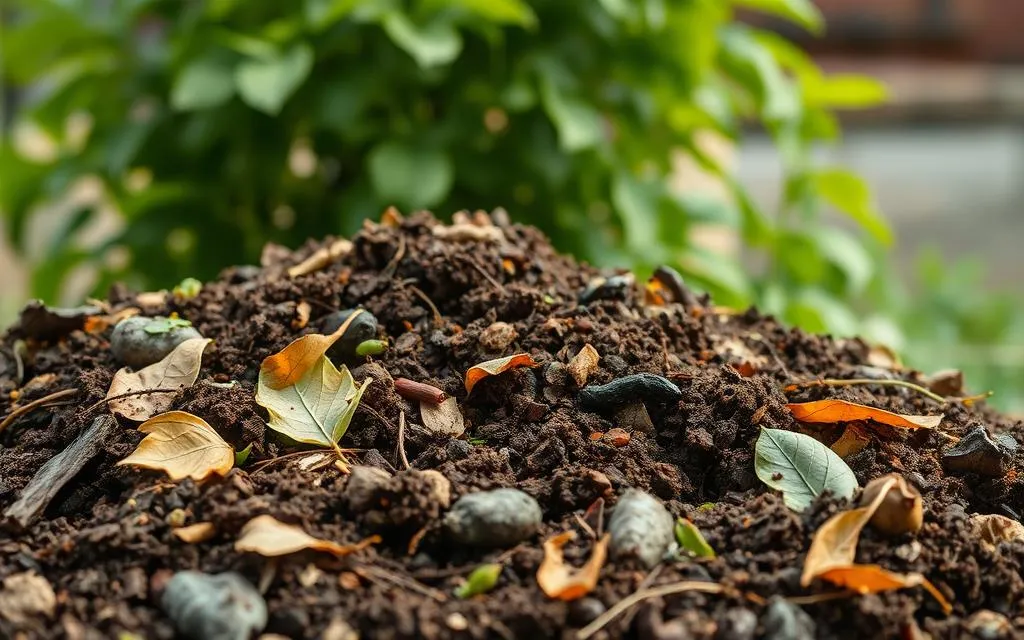
# Creating a Wildlife-Friendly Garden: Essential Tips for Gardeners Creating a wildlife-friendly garden is one of the most impactful ways to support biodiversity while enhancing your outdoor space. Whether you’re a seasoned gardener or just starting out, designing a garden that welcomes birds, butterflies, bees, and other creatures can transform your yard into a thriving ecosystem. This approach not only benefits local wildlife but also helps improve air quality, reduce pollution, and create a peaceful natural environment. By following essential tips for wildlife-friendly garden design, you can ensure your garden becomes a sanctuary for both plants and animals, contributing to a healthier planet. ## The Benefits of a Wildlife-Friendly Garden A wildlife-friendly garden offers a multitude of ecological and aesthetic advantages. First and foremost, it supports pollinators like bees and butterflies, which are crucial for maintaining plant diversity and food production. By incorporating the right plants, you can attract these essential pollinators and help sustain the natural balance of your local environment. Additionally, a wildlife-friendly garden serves as a habitat for birds, small mammals, and insects, providing them with shelter, food, and breeding grounds. This can reduce the pressure on natural habitats, especially in urban areas where green spaces are limited. Studies show that gardens with diverse plant life can increase local biodiversity by up to 30%, making them a valuable asset in conservation efforts. Another key benefit is the improvement of soil health and water retention. Plants with deep roots help prevent erosion, while leaf litter and mulch create organic matter that enriches the soil. A well-planned garden also reduces the need for chemical fertilizers and pesticides, which can harm beneficial insects and contaminate groundwater. ### Why Wildlife-Friendly Gardens Matter Wildlife-friendly gardens play a vital role in mitigating the effects of habitat loss. Urbanization and agricultural expansion have led to the fragmentation of natural ecosystems, leaving many species struggling to survive. By creating a habitat for wildlife, gardeners can provide critical spaces for animals to thrive. According to the National Wildlife Federation, even small patches of natural vegetation can support a wide range of species. For example, a single wildflower meadow can attract over 100 different types of pollinators, including butterflies, bees, and hummingbirds. This biodiversity not only enhances the beauty of your garden but also contributes to a healthier ecosystem. Moreover, wildlife-friendly gardens help in carbon sequestration. Plants absorb carbon dioxide from the atmosphere, which helps combat climate change. By cultivating a wildlife-friendly garden, you’re not just supporting animals; you’re also playing a part in environmental sustainability. ### Key Elements of a Successful Wildlife-Friendly Garden To create a wildlife-friendly garden, it’s essential to focus on key elements that promote biodiversity and ecological balance. One of the most important aspects is the inclusion of native plants, which are better adapted to local conditions and provide the best resources for native wildlife. Another critical component is the provision of water sources. Birds, insects, and small mammals rely on water for survival, and a garden without a reliable water feature may struggle to attract them. Additionally, wildlife-friendly garden designs should incorporate shelter, such as shrubs, trees, or rock piles, to protect animals from predators and harsh weather. Finally, a wildlife-friendly garden should be layered with different habitats to support a variety of species. For example, a mix of open spaces, dense shrubs, and tall trees can cater to birds, insects, and small mammals alike. This layered approach ensures that your garden remains a dynamic and welcoming environment for all forms of life. #### Native Plants: The Foundation of a Wildlife-Friendly Garden Native plants are the cornerstone of any wildlife-friendly garden. These species have evolved in harmony with local wildlife, offering the best nutrition, shelter, and breeding sites. For instance, Lavatera (*Lavatera thuringiaca*) provides nectar for butterflies, while Native Wildflowers like coneflowers (*Echinacea purpurea*) are vital for bees. Choosing native plants also means they require less water, fertilizer, and pesticides compared to non-native species. This makes them more sustainable and cost-effective for gardeners. A study by the University of Delaware found that native plants can support up to 30 times more wildlife than non-native alternatives. To ensure a wildlife-friendly garden, research which native plants thrive in your region and prioritize them in your planting plan. Additionally, native plants contribute to the wildlife-friendly garden by creating a continuous food source throughout the year. For example, some native trees produce fruit in the fall, while others bloom in the spring, ensuring that wildlife has access to resources in all seasons. This seasonal diversity is essential for maintaining a healthy ecosystem. #### Designing for Diversity: Layers of Habitats A wildlife-friendly garden should be designed with diversity in mind. Different layers of habitats, such as the ground, shrubs, trees, and water features, support various species with different needs. Ground-level habitats include flowers, grasses, and herbs that attract pollinators and small insects. These plants often have shallow roots, making them easy to grow and maintain. Shrubs and small trees provide shelter for birds and small mammals, while tall trees offer nesting sites for larger birds. Creating a layered garden also means incorporating a mix of sun-loving and shade-tolerant plants. This ensures that your garden remains lush and productive throughout the year. For example, sunflowers (*Helianthus annuus*) thrive in full sun, while hostas (*Hosta spp.*) prefer partial shade. This plant diversity not only enhances the garden’s beauty but also supports a wider range of wildlife. #### Water Features: Attracting Wildlife Naturally Water features are essential for a wildlife-friendly garden as they attract a variety of species, from birds to amphibians. A simple pond or birdbath can become a hub of activity, drawing in insects, frogs, and even small mammals. When designing a water feature, consider its size and placement. A small pond can be more accessible for insects and birds, while a larger pool may attract larger animals like turtles or ducks. Adding rocks, logs, or stones to the edges of the water feature provides shelter for wildlife and creates a more natural environment. Maintaining the water