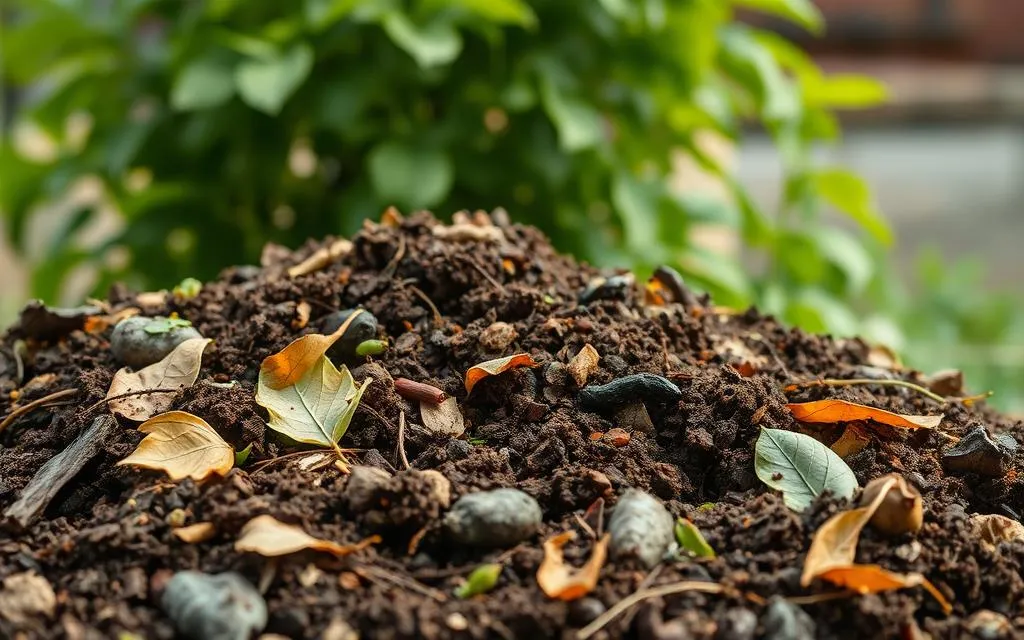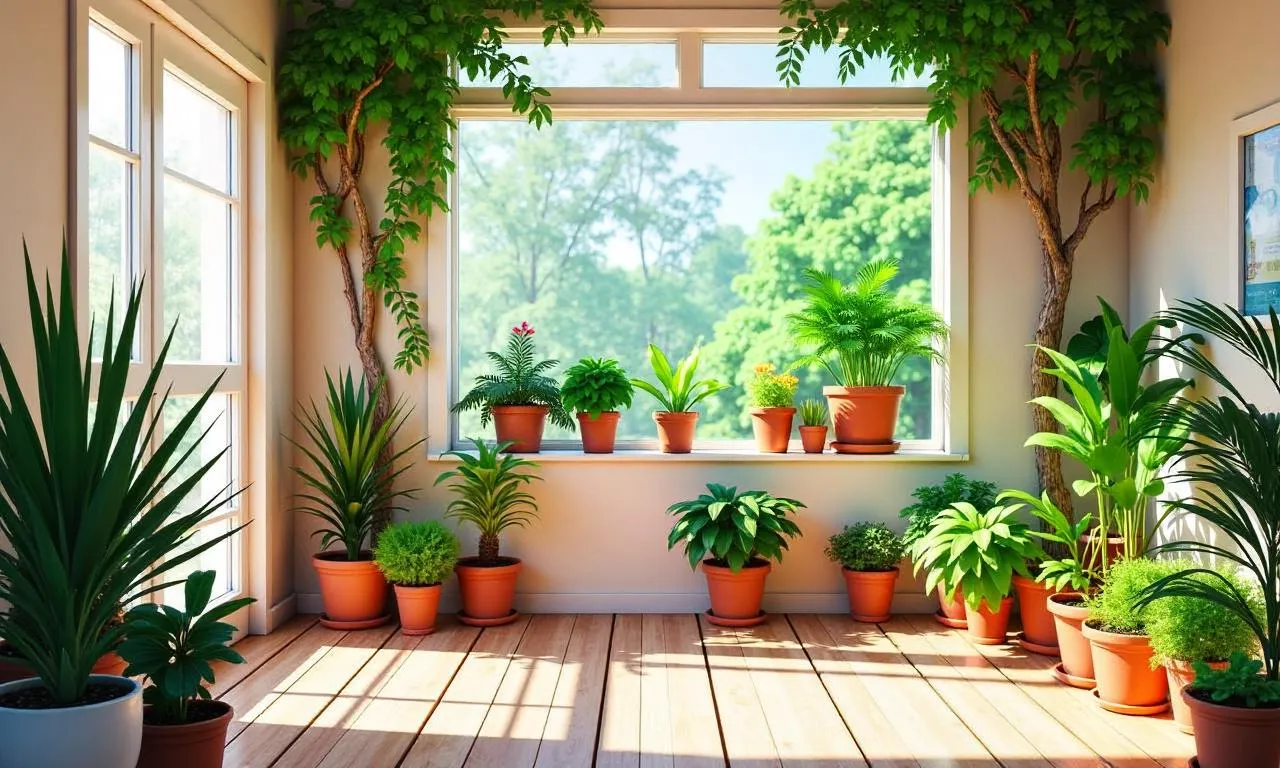
How to Create a Low-Maintenance Garden, Best Home Organization Tips for a Clutter-Free Space, Strategies for Maximizing Garden Space with Vertical Gardening Creating a low-maintenance garden doesn’t mean sacrificing beauty or functionality—it means designing a space that thrives with minimal effort. Whether you’re a beginner or a seasoned gardener, there are practical strategies to simplify your outdoor and indoor spaces. From home design ideas for small apartments to vertical gardening techniques, this article covers everything you need to know to achieve a harmonious, efficient, and stylish living environment. Section 1: How to Create a Low-Maintenance Garden A low-maintenance garden is perfect for busy individuals or those who want to enjoy the benefits of greenery without spending hours tending to it. The key lies in selecting the right plants, using efficient tools, and designing with simplicity in mind. Choosing the Right Plants for Beginners For beginners, starting with the right plants is crucial. Opt for hardy, drought-resistant species that require minimal watering and pruning. Examples include succulents, lavender, and ornamental grasses. These plants are not only resilient but also add texture and color to your garden. When selecting plants, consider their sunlight requirements and growth habits. For instance, low-maintenance garden ideas often include shade-tolerant plants like hostas or ferns if your space lacks direct sunlight. Additionally, native plants are typically easier to care for since they’re adapted to local climate conditions. Using Mulch and Compost to Reduce Effort Mulching is a low-maintenance garden technique that helps retain soil moisture, suppress weeds, and improve soil quality. Apply a layer of organic mulch like wood chips or straw to your garden beds, and it will reduce the need for frequent watering and weeding. Composting also plays a role in low-maintenance garden success. By recycling kitchen scraps and yard waste into nutrient-rich soil, you’ll eliminate the need to buy fertilizers regularly. A simple compost bin can be placed in a corner of your garden or even in your small apartment if space allows. Incorporating Container Gardening Container gardening is ideal for small apartments and those who want to avoid traditional soil maintenance. Choose pots with drainage holes and use a high-quality potting mix. This method allows you to move plants indoors or outdoors as needed, making it highly adaptable. For vertical gardening enthusiasts, containers can be stacked or hung to maximize space. This is especially useful for home design ideas for small apartments where floor space is limited. By using vertical space, you can grow more plants without expanding your garden area. Section 2: Best Home Organization Tips for a Clutter-Free Space A clutter-free home enhances productivity, reduces stress, and creates a more inviting atmosphere. Implementing home organization tips can transform any living space, whether it’s a spacious house or a compact small apartment. Decluttering with the "One In, One Out" Rule One effective home organization tip is the “one in, one out” rule. Whenever you bring a new item into your home, remove an old one. This prevents accumulation and keeps your space tidy. Apply this rule to vertical gardening setups too—only add plants or tools that serve a purpose. Decluttering doesn’t have to be overwhelming. Start by sorting items into categories: keep, donate, and discard. Focus on high-traffic areas like the kitchen or entryway first, as these are most prone to clutter. Labeling and Zoning for Efficiency Labeling shelves, cabinets, and drawers helps you locate items quickly, reducing the time spent searching for them. For small apartments, zoning is essential. Assign specific areas for different activities, such as a reading nook or a workspace, to streamline daily routines. When organizing your home design ideas for small apartments, consider multi-functional furniture. A sofa bed or a storage ottoman can serve multiple purposes, saving space and reducing the need for extra furniture. Using Vertical Storage Solutions Vertical storage is a home organization tip that works well for both indoor and outdoor spaces. Install wall-mounted shelves, hanging organizers, or modular storage units to utilize unused vertical space. This approach is particularly beneficial for small apartments where floor space is limited. For vertical gardening, integrate storage solutions with your garden layout. For example, use planters that double as shelves or hang pots from ceiling hooks. This not only keeps your space organized but also enhances functionality. Section 3: Strategies for Maximizing Garden Space with Vertical Gardening Maximizing garden space through vertical gardening is a smart way to grow more plants in less area. This strategy is especially valuable for home design ideas for small apartments or urban dwellers with limited outdoor space. The Benefits of Vertical Gardening Vertical gardening offers several advantages, including space efficiency, better air circulation, and easier access to plants. It’s also a great low-maintenance garden solution because it reduces the need for large garden beds and simplifies maintenance tasks like watering and pruning. For beginners, vertical gardens can be simple. Start with hanging baskets, wall-mounted planters, or trellises for climbing plants. These options require minimal setup and are easy to manage. Choosing the Right Structures for Vertical Gardens Selecting the right structures is essential for successful vertical gardening. Options include pallets, trellises, shelving units, and modular planters. For small apartments, wall-mounted systems are ideal as they don’t take up floor space. When planning your vertical garden, consider the right plants that thrive in this setup. Plants like tomatoes, beans, or herbs are perfect for vertical growth. For low-maintenance garden ideas, choose species that don’t require frequent attention, such as snake plants or pothos. Maintaining Vertical Gardens Maintaining a vertical garden involves regular watering, pruning, and pest control. Use drip irrigation systems or self-watering containers to simplify the process. For small apartments, ensure your vertical garden is placed near a window or in a well-lit area to avoid overwatering or under-watering. Incorporate home organization tips into your vertical garden design by labeling containers and keeping tools easily accessible. This ensures your low-maintenance garden remains organized and functional. Section 4: Home Design Ideas for Small Apartments Small apartments can feel cramped, but thoughtful