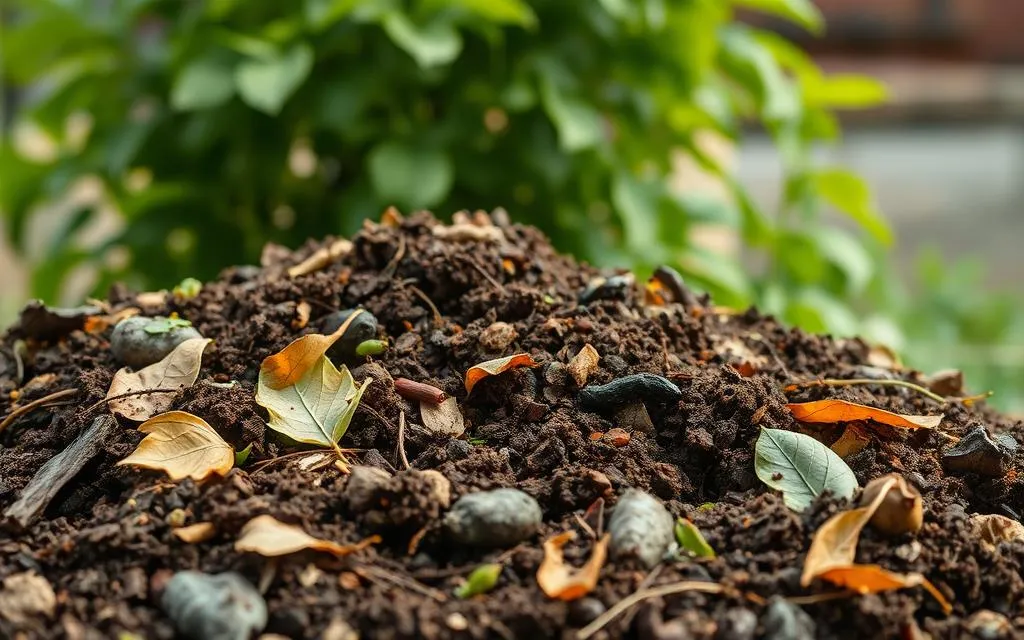
Sustainable gardening is more than just a trend—it’s a vital practice that helps protect the environment while creating a thriving, healthy space for plants and wildlife. As awareness about climate change and resource depletion grows, more homeowners are seeking ways to reduce their ecological footprint without compromising the beauty of their yards. From composting to water conservation, there are numerous tips for sustainable gardening practices that can transform your outdoor space into a model of eco-friendliness. Whether you’re a seasoned gardener or just starting out, incorporating these methods can lead to long-term benefits for your garden and the planet. This article explores practical strategies to achieve a sustainable garden, covering key areas such as soil health, water efficiency, pest control, and biodiversity. By following these tips for sustainable gardening practices, you’ll not only save money but also contribute to a greener future. Soil Health and Nutrient Management Healthy soil is the foundation of any successful garden. Without proper soil care, plants struggle to grow, and the environment suffers from nutrient runoff and erosion. One of the most effective tips for sustainable gardening practices is to prioritize composting as a natural way to enrich soil and reduce waste. Composting involves breaking down organic materials like kitchen scraps, yard trimmings, and fallen leaves into nutrient-rich fertilizer. This process not only cuts down on landfill waste but also improves soil structure, enhances water retention, and promotes beneficial microbial activity. How to Start Composting at Home Creating a compost bin or pile is a simple yet impactful step toward sustainable gardening practices. Begin by selecting a shady, well-drained area in your yard. Layer green materials (such as fruit peels and grass clippings) with brown materials (like dried leaves and cardboard) to create a balanced compost mix. Turn the pile regularly to ensure proper aeration, which speeds up decomposition and prevents odors. Avoid adding meat, dairy, or oily foods to keep the process odor-free and attract fewer pests. The Benefits of Composting Composting reduces the need for chemical fertilizers, which can harm soil ecosystems and pollute water sources. It also helps minimize waste by repurposing materials that would otherwise end up in landfills. Over time, compost enriches the soil with essential nutrients like nitrogen, phosphorus, and potassium, supporting plant growth without synthetic inputs. Additionally, compost improves soil texture, making it easier for roots to absorb water and nutrients. This leads to healthier plants, fewer weeds, and reduced water usage—a win for both your garden and the environment. Using Organic Mulch to Protect Soil Another tip for sustainable gardening practices is to use organic mulch instead of synthetic alternatives. Mulch helps retain soil moisture, suppress weeds, and regulate temperature. Materials like straw, wood chips, or shredded leaves are excellent choices because they break down over time, adding organic matter to the soil. Apply a 2–3 inch layer of mulch around plants to create a protective barrier. This not only reduces the need for frequent watering but also prevents erosion during heavy rains. Water Conservation Techniques Water is a precious resource, and sustainable gardening aims to use it efficiently. Traditional gardening methods often waste water through over-irrigation, runoff, and evaporation. Implementing water-saving techniques can significantly reduce your garden’s water footprint while ensuring plants receive the hydration they need. Efficient Irrigation Systems Drip irrigation systems are a game-changer for sustainable gardening practices. Unlike traditional sprinklers, which can lose up to 50% of water to evaporation and wind, drip systems deliver water directly to the roots of plants. This method ensures that every drop is used effectively, reducing water waste and lowering utility bills. Install drip lines near the base of each plant to maintain consistent moisture levels. Collecting and Reusing Rainwater Harvesting rainwater is an eco-friendly way to water your garden. Use a rain barrel or a rainwater harvesting system to collect water from your roof during rainfall. This water can then be used for irrigation, reducing reliance on municipal supplies. Place rain barrels near downspouts and connect them to a garden hose for easy access. Remember to filter the water to remove debris before using it on your plants. Choosing Drought-Resistant Plants Selecting plants that thrive in your local climate is another key tip for sustainable gardening practices. Drought-resistant species like lavender, sedum, and ornamental grasses require less frequent watering and are often more resilient to pests and diseases. Research native plants for your region, as they are adapted to local conditions and need minimal care. This approach reduces water usage and supports biodiversity by providing habitat for native wildlife. Organic Pest Control and Natural Weed Management Pesticides and herbicides can harm beneficial insects, contaminate soil, and leave harmful residues on plants. Sustainable gardening emphasizes organic pest control and natural weed management to maintain a healthy ecosystem. By using eco-friendly methods, you can protect your garden from pests while preserving the environment. Encouraging Beneficial Insects Introducing beneficial insects like ladybugs, lacewings, and ground beetles can help control harmful pests naturally. These insects feed on aphids, mites, and other garden pests, reducing the need for chemical sprays. Plant flowers like marigolds and daisies to attract pollinators and predators. Creating a habitat for these insects ensures they have shelter and food, making your garden a more balanced ecosystem. Using Natural Remedies for Pest Problems Homemade solutions like neem oil, garlic spray, and vinegar mixtures are effective alternatives to synthetic pesticides. Neem oil, derived from the seeds of the neem tree, disrupts the life cycle of pests without harming beneficial organisms. Garlic spray can deter aphids and other insects, while vinegar is great for removing weeds. Test these remedies on a small area first to ensure they don’t damage your plants. Hand-Pulling and Manual Weeding For small gardens, manual weeding is a practical and sustainable method. Removing weeds by hand prevents them from competing with plants for nutrients and water. Weed regularly during the early stages of plant growth to minimize their spread. This low-impact approach also avoids the use of herbicides, which can leach into the soil and
10 Affordable DIY Home Projects That Transform Your Space
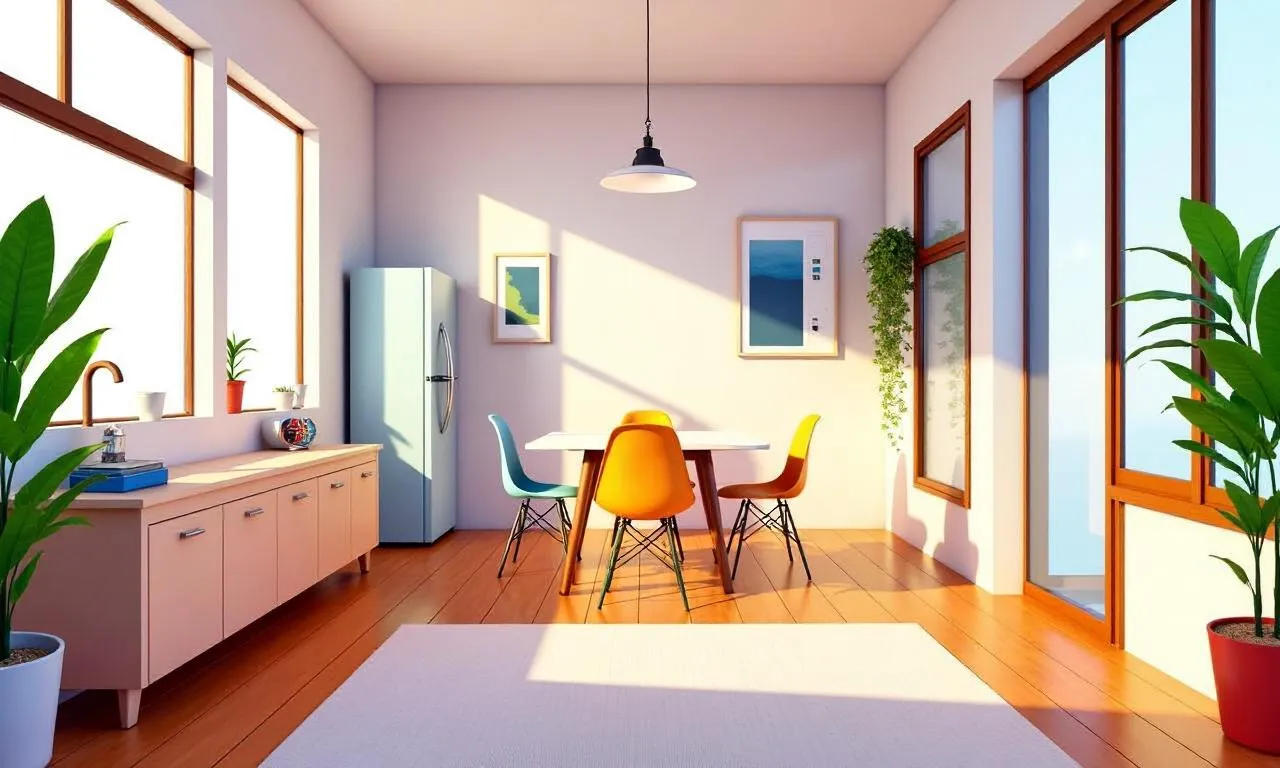
Transforming your home space doesn’t always require a big budget or professional help. With the right tools and a bit of creativity, affordable home improvement projects for DIYers can make a significant impact on both the aesthetics and functionality of your living area. Whether you’re looking to refresh a tired room or add a personal touch to your home space, there are countless ideas that are easy to execute and cost-effective. These affordable home improvement projects for DIYers range from simple upgrades like paint and lighting to more involved tasks like built-ins or storage solutions. The key is to focus on areas where small changes can create a big difference. By choosing affordable home improvement projects for DIYers, you can enjoy a more organized, stylish, and comfortable environment without spending a fortune. Let’s explore ten of these affordable home improvement projects for DIYers that will help you transform your space in ways you might not have imagined. Entryways: The First Impression The entryway is often the first place people notice when entering your home. A well-designed affordable home improvement projects for DIYers can make this area more welcoming and functional. Whether you’re looking to create a cozy spot for guests or a practical storage solution, there are many ways to transform your space without overspending. One of the most effective affordable home improvement projects for DIYers is upgrading your entryway with a custom mirror. Mirrors not only add visual interest but also create the illusion of more space. Simply choose a frame that matches your style and hang it in a prominent area. For a more text bold look, you can add a text italic decorative border or use a vintage-style frame to give your entryway a unique flair. 1. DIY Coat Rack A coat rack is a text bold essential for any entryway, offering both storage and style. You can create a simple one using a text italic wooden board and hooks. Start by cutting the board to your desired size and drilling holes for the hooks. Add a layer of paint or a decorative stencil for a personalized touch. If you want a more text bold modern aesthetic, consider using metal brackets and screws. This affordable home improvement projects for DIYers takes just a few hours and can be customized to fit your decor. For example, a text italic white coat rack with a rustic wooden frame would add charm to a farmhouse-style home. 2. DIY Shoe Organizer Shoe storage is another text bold challenge in entryways, especially if you have limited space. A DIY shoe organizer can be made from a text italic hollowed-out pallet or a repurposed cabinet. Sand the surface, paint it with a fresh coat, and add shelves or dividers for better organization. For a text bold minimalist look, you can use a single piece of wood with small compartments. This affordable home improvement projects for DIYers not only saves money but also keeps your entryway clutter-free and stylish. 3. DIY Entryway Decor Adding decorative elements to your entryway can transform your space without requiring a large investment. Use text italic thrift store finds or repurpose old items like a broken picture frame or a set of vintage books. Create a text bold wall art display by hanging these items in a cohesive arrangement. Alternatively, build a text italic DIY plant stand using a wooden crate and some rocks. This affordable home improvement projects for DIYers brings life and character to your entryway while keeping costs low. Kitchen: A Hub of Functionality The kitchen is the heart of the home, and affordable home improvement projects for DIYers can enhance its usability and appeal. From storage solutions to lighting upgrades, there are many ways to transform your space without breaking the bank. One of the simplest affordable home improvement projects for DIYers is installing a text bold floating shelf. These shelves provide extra storage for cookbooks, herbs, or small kitchen gadgets. Use text italic brackets and screws to attach them to the wall, and customize with painted wood or tiles for a unique finish. 4. DIY Dish Rack A text bold dish rack can help you keep your kitchen counter clutter-free and organized. Repurpose an old ladder or a text italic wooden crate by sanding it and adding hooks or brackets. Alternatively, use text italic repurposed hardware like a metal shelf or a set of S-hooks. This affordable home improvement projects for DIYers is perfect for those who want to transform your space with a functional and eye-catching piece. Place it near the sink or by the entrance to make washing up easier. 5. DIY Kitchen Shelf A text bold kitchen shelf can double as a display area for your favorite items. Use text italic old picture frames or repurposed shelves from a discount store. Add a layer of paint or stain to match your kitchen’s color scheme, and attach it to a wall or a cabinet. For a text bold modern look, consider using a text italic reclaimed wood shelf with a metal frame. This affordable home improvement projects for DIYers not only saves space but also adds character and charm to your kitchen. Living Areas: A Cozy Retreat The living area is where you spend the most time, so affordable home improvement projects for DIYers can make it more comfortable and stylish. Whether you’re looking to add a text bold statement piece or create a text italic calming atmosphere, there are many cost-effective ways to transform your space. A text bold DIY coffee table is a great example of how affordable home improvement projects for DIYers can elevate your living room. Use a text italic wooden crate or a repurposed drawer unit as the base, and add a layer of glass or fabric for a finished look. 6. DIY Wall Art Creating text bold wall art is an affordable home improvement projects for DIYers that adds personality to your living area. Use text italic recycled materials like cardboard, fabric scraps, or old