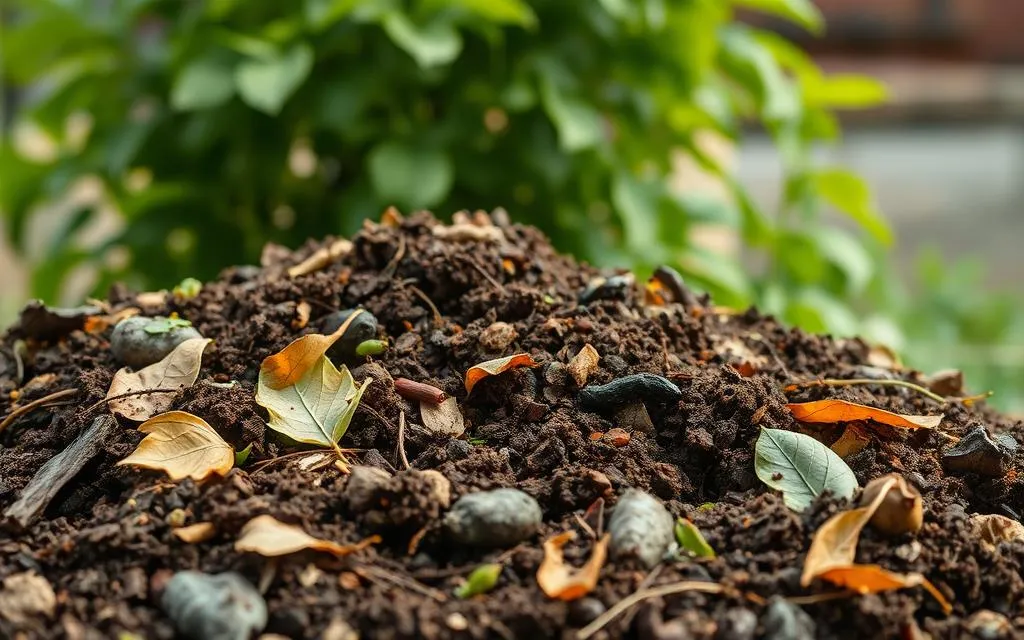
Plastic waste has become one of the most pressing environmental challenges of the modern era. Every year, millions of tons of plastic are produced globally, but only a fraction is properly recycled, leaving the majority to accumulate in landfills, oceans, and natural ecosystems. The impact of plastic waste is far-reaching, from harming marine life to polluting the air and soil. As awareness grows, reducing plastic waste is no longer just an option—it’s a necessity for preserving our planet’s health and ensuring a sustainable future. Whether you’re an individual, a business, or a community leader, adopting effective strategies to reduce plastic waste can make a significant difference. This article explores practical, actionable steps to tackle plastic waste, focusing on how everyday choices and systemic changes can collectively contribute to a cleaner, greener world. Understanding the Scale and Consequences of Plastic Waste The plastic pollution crisis is more severe than most people realize. According to the United Nations Environment Programme, over 400 million tons of plastic are generated annually, with only about 15% being recycled. The rest ends up as environmental waste, persisting in nature for hundreds of years. Plastic waste in oceans, for instance, has reached alarming levels, with an estimated 8 million tons entering marine environments each year. This not only threatens aquatic ecosystems but also endangers human health, as microplastics infiltrate food chains and water sources. The long-term environmental impact of plastic waste is staggering. Traditional plastics, such as polyethylene and polypropylene, are non-biodegradable, meaning they do not decompose naturally. Instead, they break down into smaller particles, known as microplastics, which can be ingested by wildlife and even humans. This has led to a global crisis that requires urgent attention. Moreover, plastic production contributes significantly to greenhouse gas emissions, with the process of manufacturing and transporting plastic accounting for about 4% of global carbon dioxide emissions. By reducing plastic waste, we can mitigate these effects and create a more resilient environment for future generations. Strategies to Cut Down on Single-Use Plastics One of the most effective ways to reduce plastic waste is by minimizing the use of single-use plastics. These are items designed for a short period of use, such as plastic bags, bottles, straws, and packaging materials. While convenient, their environmental footprint is massive, as they are often discarded after a single use. To reduce plastic waste, individuals and businesses can adopt alternatives like reusable containers, refillable bottles, and biodegradable packaging. For example, replacing plastic bottles with reusable water bottles can save hundreds of bottles per person annually. Similarly, reusable shopping bags made from fabric or other sustainable materials can eliminate the need for plastic bags, which are among the most common types of plastic waste found in oceans. In the food industry, switching to biodegradable utensils or using compostable containers can significantly cut down on disposable plastic waste. Governments and companies can also play a role by implementing policies that reduce plastic waste, such as banning single-use plastics or offering incentives for eco-friendly products. The Power of Reusable and Refillable Items Reusable items are a cornerstone of reducing plastic waste. By investing in durable, long-lasting products like glass containers, metal straws, or cloth napkins, individuals can dramatically cut down on the demand for single-use plastics. The key is to prioritize reusability in daily routines, whether it’s bringing a reusable coffee cup to work or using refillable bottles for water and beverages. Even small changes, like carrying a reusable bottle instead of buying bottled water, can add up over time. For businesses, transitioning to refillable packaging or reusable packaging systems can reduce waste and lower operational costs. Additionally, recycling programs that accept refillable items are essential for ensuring that these materials are reused rather than discarded. By making reusability a habit, both individuals and organizations contribute to reducing plastic waste and fostering a circular economy. Embracing Recycling and Proper Disposal Recycling is a critical component of reducing plastic waste, but it requires more than just separating plastic items from the rest of the trash. The success of recycling programs depends on proper disposal practices and the availability of recycling infrastructure. For instance, not all plastics are recyclable, and contamination can render entire batches unusable. To ensure that recycling works effectively, it’s important to understand what materials can be recycled and how to prepare them for the process. Recycling facilities need to be accessible and efficient to make reducing plastic waste a viable solution. Communities can support this by setting up community recycling centers and educating residents about the benefits of recycling. At the same time, plastic waste must be sorted correctly—placing items like bottles, containers, and packaging into designated bins. This simple act can significantly enhance the effectiveness of local recycling initiatives. The Importance of Composting and Upcycling While recycling is essential, composting and upcycling offer additional ways to reduce plastic waste. Composting plastic waste, especially biodegradable plastics, helps break down materials into organic matter that can enrich soil. Upcycling, on the other hand, involves transforming waste materials into new products of higher value, such as turning old plastic bottles into artistic creations or construction materials. By integrating composting and upcycling into waste management systems, we can further reduce plastic waste and promote sustainability. Businesses can explore upcycling programs to repurpose plastic scraps, while households can participate in community composting initiatives. These methods not only cut down on waste but also inspire creative solutions to environmental challenges. Supporting Policies and Community Initiatives Systemic change is necessary to reduce plastic waste on a larger scale. Governments and policymakers play a vital role in creating effective regulations that encourage sustainable practices. For example, implementing plastic waste reduction laws that mandate the use of eco-friendly materials in packaging or impose taxes on single-use plastics can drive significant reductions in plastic waste. Policy changes often lead to widespread behavioral shifts. Countries like Germany and Japan have already shown that strict recycling laws and plastic waste reduction campaigns can drastically cut down on plastic use. Similarly, community-based initiatives such as beach cleanups,