
Understanding Causes of Water Pollution in Urban Areas
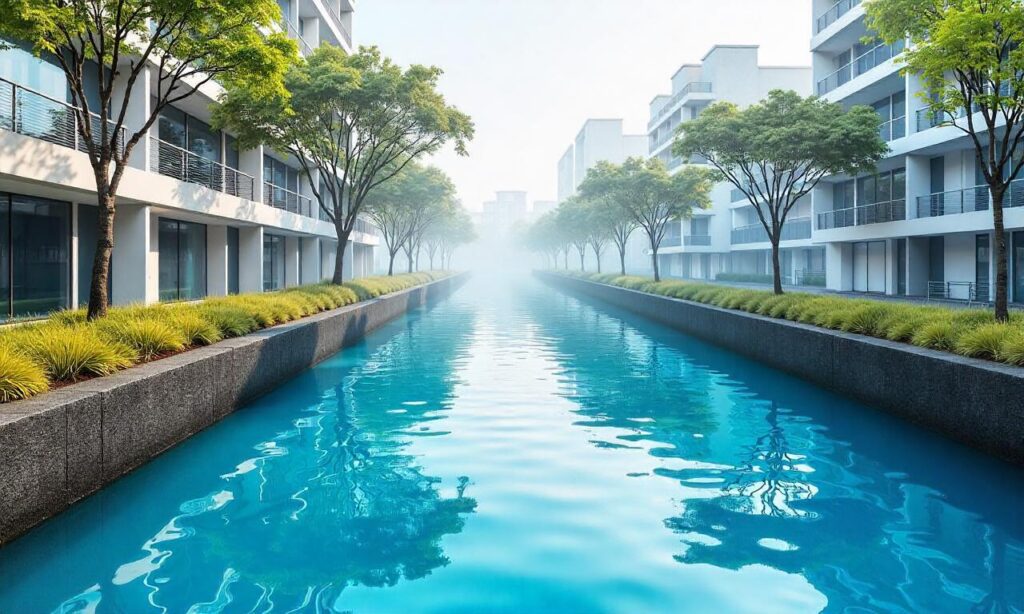
Water pollution is a critical issue affecting urban areas worldwide, driven by the causes of water pollution in urban areas. As cities expand and populations grow, the strain on natural water systems intensifies. Urban environments are unique in their contribution to water contamination due to dense infrastructure, industrial activity, and human behavior. From industrial discharges to sewage overflows and plastic waste, the interplay of these factors creates a complex web of environmental challenges. Addressing these causes requires a comprehensive understanding of their sources, impacts, and potential solutions. This article explores the primary contributors to urban water pollution, examines their mechanisms, and highlights actionable steps to mitigate their effects.
—
Industrial Waste and Its Impact on Urban Water Sources
Industrial waste is one of the most significant contributors to water pollution in urban areas. Factories, manufacturing plants, and processing facilities release a variety of contaminants into water systems, often through direct discharge or indirect leakage. These pollutants include heavy metals, chemicals, and oils that can persist in the environment for years, disrupting aquatic ecosystems and threatening human health.
Types of Industrial Waste Contributing to Water Pollution
Industrial waste comes in many forms, each with its own environmental impact. Heavy metals such as lead, mercury, and cadmium are commonly found in waste from metal processing and electronics manufacturing. These metals are toxic and can accumulate in water bodies, poisoning aquatic life and entering the food chain. Chemical pollutants, including solvents, pesticides, and fertilizers, are another major source. For example, textile industries release dyes and detergents into rivers, altering water pH and harming biodiversity. Additionally, oil and grease from automotive and petroleum industries seep into waterways, creating slicks that block sunlight and reduce oxygen levels.
Industrial Discharges into Water Bodies
Industrial discharges often bypass natural filtration processes, directly polluting rivers, lakes, and groundwater. In many urban areas, wastewater treatment plants are not sufficient to handle the volume of industrial effluent, leading to untreated or partially treated waste entering water systems. This is particularly evident in cities with rapid industrial growth, such as Jakarta and Delhi, where factories discharge effluent into nearby water bodies without adequate regulation. The chemicals in these discharges can have long-term effects on water quality, making it unsafe for consumption and recreation.
Regulatory Compliance and Enforcement Challenges
Despite regulations aimed at controlling industrial pollution, enforcement remains a challenge. Many cities lack stringent monitoring systems, allowing industries to exceed permissible pollution limits. For instance, over 30% of industries in Beijing are reported to discharge untreated wastewater into the Yangtze River. Furthermore, cost-cutting measures often lead to companies using cheaper methods to treat waste, resulting in higher contamination levels. Without robust enforcement, the impact of industrial waste on urban water systems continues to grow, necessitating stronger policies and public awareness campaigns.
—
Sewage and Wastewater Management in Cities
Urban sewage systems are critical to maintaining clean water, but their inefficiency or lack of maintenance can exacerbate pollution. In cities with aging infrastructure, sewage overflows during heavy rainfall are a common problem, contaminating rivers and reservoirs with untreated waste. Additionally, septic tanks and combined sewer systems contribute to the issue, especially when they are not properly managed.
Aging Infrastructure and Overflow Issues
Many urban areas rely on outdated sewage systems that were designed for smaller populations and lower levels of industrial activity. As cities expand, these systems become overwhelmed, leading to sewage overflows during heavy rains. For example, in New York City, the Combined Sewer Overflow (CSO) system discharges billions of gallons of untreated wastewater into the Hudson River annually. This not only introduces pathogens but also nutrient-rich runoff, which can cause eutrophication—a process where excess nutrients like nitrogen and phosphorus lead to algal blooms and oxygen depletion in water bodies.
Septic Tanks and Their Role in Polluting Water
In areas where septic tanks are used instead of centralized sewer systems, improper maintenance can result in leaching of contaminants into groundwater. Septic tanks in urban settings are often not regularly inspected or emptied, leading to the accumulation of waste and bacteria. This is particularly problematic in low-income neighborhoods, where access to modern sanitation systems is limited. For instance, in Mumbai, over 40% of households use septic tanks, and inadequate maintenance has caused significant contamination of coastal waters.
Inadequate Treatment and Environmental Impact
Even when sewage is treated, insufficient technology or overloading of treatment plants can lead to pollutants passing through. In Los Angeles, combined sewer systems often release toxic chemicals and nutrient-laden effluent into the ocean, affecting marine life and coastal ecosystems. The failure to treat sewage effectively not only harms water quality but also increases the risk of waterborne diseases. For example, contaminated water in Delhi has led to outbreaks of cholera and typhoid, underscoring the importance of advanced wastewater treatment in urban areas.
—
Urban Runoff and Contaminants from Roads and Buildings
Urban runoff, the flow of rainwater over impervious surfaces like roads and buildings, is a major source of water pollution. As cities grow, impervious surfaces increase, reducing the land’s ability to absorb water. This leads to stormwater runoff carrying pollutants such as oil, heavy metals, and chemicals directly into water bodies.
Rainwater Runoff and Its Pathways
When rain falls on urban landscapes, it picks up pollutants from streets, parking lots, and industrial areas before flowing into storm drains. In cities like Houston and Tokyo, stormwater runoff is a primary contributor to water pollution. This runoff often bypasses filtration systems and enters rivers, lakes, or coastal areas without treatment. For example, in Los Angeles, stormwater is responsible for 15% of water pollution in the Los Angeles River, which flows into the Pacific Ocean.
Chemicals from Urban Surfaces
Urban surfaces such as roads, sidewalks, and parking lots are coated with petroleum products, road salts, and vehicle exhausts, which become contaminants when washed away by rain. Chemical runoff from these surfaces includes heavy metals, oil residues, and toxic solvents that degrade water quality. In Cairo, oil spills from vehicles have contaminated the Nile River, threatening aquatic life and local communities. Additionally, agricultural runoff from urban gardens and farms can introduce nutrients and pesticides into water systems, further compounding the problem.
—
Plastic Waste and Microplastics in Urban Water Systems
Plastic waste has become an invisible yet pervasive pollutant in urban water systems. Single-use plastics, such as bottles and packaging, are frequently discarded into streets and waterways, eventually breaking down into microplastics. These tiny particles accumulate in water bodies, posing risks to both marine life and human health.
Sources of Plastic Pollution in Cities
Plastic waste in urban areas originates from multiple sources, including shopping bags, water bottles, and construction materials. In cities with high population density, such as New Delhi and Istanbul, plastic waste often ends up in rivers due to poor waste management. Single-use plastics make up over 40% of total plastic waste globally, and their prevalence in urban centers means they are a major contributor to water pollution. For instance, the Ganges River in India carries millions of plastic particles annually, much of which comes from urban centers.
The Microplastic Problem and Its Long-Term Effects
When plastic waste enters water systems, it breaks down into microplastics—tiny fragments smaller than 5 millimeters that are difficult to remove. These microplastics can absorb toxic chemicals and heavy metals, making them hazardous to aquatic organisms and humans who consume contaminated water. Microplastics have been found in tap water in major cities like Paris and Seoul, indicating a growing health risk. Over time, microplastics can disrupt ecosystems, reduce biodiversity, and even affect water treatment processes.
—
Improper Waste Disposal and Its Effects on Water Quality
Improper waste disposal in urban areas is a hidden yet significant source of water pollution. When household and commercial waste is not collected or disposed of correctly, it can leach into soil and groundwater, eventually reaching surface water. This includes landfills, open dumping, and waste incineration.
Landfills and Their Contribution to Water Contamination
Landfills in urban areas are often located near water sources, increasing the risk of contaminant leakage. As waste decomposes, leachate—a liquid containing toxic substances—can seep into groundwater and surface water. For example, a 2022 study found that landfills in Jakarta are responsible for 12% of water contamination in the city’s rivers. Improperly lined landfills and lack of monitoring exacerbate this issue, allowing toxic chemicals and heavy metals to enter water systems.
Household and Commercial Waste Disposal Practices
Household waste, such as food scraps, cleaning products, and batteries, often ends up in waterways due to poor waste collection systems. In cities with high waste generation, like Lagos and Mexico City, open dumping is common, leading to direct contamination of rivers and streams. Commercial waste, including plastic packaging and oil spills, further compounds the problem. For instance, the Thames River in London is heavily polluted by commercial waste from nearby industries, highlighting the need for better waste management practices.
—

Agricultural Runoff in Urban Settings
While agricultural runoff is more commonly associated with rural areas, urban agriculture and industrial farming near cities contribute to water pollution through nutrient-rich runoff. Fertilizers, pesticides, and animal waste from urban farms and agricultural zones are washed into water bodies, causing eutrophication and chemical contamination.
Nutrient-Rich Runoff and Eutrophication
Agricultural runoff carries excess nitrogen and phosphorus into urban water systems, leading to eutrophication. This process causes algal blooms, which deplete oxygen and harm aquatic life. In cities with urban farms, such as Rome and Singapore, nutrient runoff is a growing concern. For example, Singapore’s urban farms have been found to contribute to nitrate pollution in nearby reservoirs, which are crucial for the city’s water supply.
Chemicals from Pesticides and Fertilizers
Pesticides and fertilizers used in urban agriculture are not always applied in a manner that prevents runoff. Chemical contaminants from these sources enter waterways through rainwater, irrigation, and drainage systems. A 2021 report highlighted that agricultural runoff in Mumbai has introduced toxic chemicals into the Mumbai Port, threatening marine ecosystems. Without proper management, agricultural runoff can contaminate water sources and disrupt urban water quality.
—
Climate Change and Its Role in Urban Water Pollution
Climate change is increasingly influencing urban water pollution through extreme weather events and altered hydrological cycles. More frequent heavy rains and rising temperatures can intensify runoff, droughts, and storm surges, all of which contribute to water contamination.
Increased Rainfall and Enhanced Runoff
Climate change has led to more intense rainfall in many urban areas, increasing the volume of stormwater runoff. This runoff carries contaminants from roads, buildings, and industrial zones into water systems, overwhelming existing filtration infrastructure. In cities like Bangkok and Houston, extreme rainfall has caused overflows in storm drains and wastewater treatment plants, resulting in wastewater mixing with surface water.
Droughts and Contaminated Groundwater
Conversely, droughts caused by climate change can lead to water scarcity, increasing the risk of contaminated groundwater. When water sources are low, industries and households may use contaminated water for irrigation or industrial processes, further degrading water quality. For instance, droughts in Cape Town have forced the city to reuse wastewater, but inadequate treatment has led to pollution of drinking water supplies.
—
The Role of Population Growth in Water Pollution
Urbanization and population growth place immense pressure on water resources, leading to increased pollution. As more people move to cities, demand for water rises, and wastewater generation increases. This creates overloaded systems and increased runoff, both of which contribute to contamination.
Rising Demand for Water and Wastewater Treatment Strain
With population growth, cities require more water for domestic, industrial, and commercial use. This increases the volume of wastewater generated, straining existing treatment facilities. In 2023, Shanghai had over 20 million residents, and its wastewater treatment plants were reported to be operating at 90% capacity, leading to untreated waste entering water systems.
Overloaded Systems and Contaminant Spread
Overloaded systems can lead to leakages and inadequate treatment, allowing contaminants to spread. For example, Los Angeles faces challenges in managing wastewater due to population growth, resulting in polluted runoff from urban drainage systems. This wastewater can carry pathogens, heavy metals, and chemicals, compounding water pollution in urban areas.
—
FAQ Section
Q: What are the main causes of water pollution in urban areas?
A: The main causes include industrial waste, sewage overflows, plastic waste, urban runoff, and improper waste disposal. These factors contribute to contamination of rivers, lakes, and groundwater, threatening both ecosystems and human health.
Q: How does urban runoff contribute to water pollution?
A: Urban runoff occurs when rainwater flows over impervious surfaces like roads and buildings, picking up contaminants such as oil, chemicals, and heavy metals. These pollutants are carried into water bodies, degrading water quality and affecting aquatic life.
Q: What can be done to reduce water pollution in cities?
A: Cities can implement better waste management, upgrade wastewater treatment facilities, promote green infrastructure, and enforce stricter regulations. Green roofs, permeable pavements, and rain gardens can help reduce runoff, while community awareness campaigns and strict industrial regulations can minimize pollutants.
Q: Are microplastics a significant problem in urban water systems?
A: Yes. Microplastics from plastic waste accumulate in water bodies, absorbing toxins and threatening aquatic organisms. Studies show that urban waterways contain millions of microplastics annually, which endanger marine life and pose health risks to humans.
Q: How does climate change affect urban water pollution?
A: Climate change increases extreme weather events, leading to more intense rainfall and droughts. These events enhance runoff, overload wastewater systems, and expose water sources to contamination. For example, heavy rains in Houston have caused wastewater overflows, spreading pollutants into natural water bodies.
—
Table: Comparison of Urban Water Pollution Causes
| Cause | Primary Sources | Impact on Water Quality | Examples of Cities Affected |
|---|---|---|---|
| Industrial Waste | Factories, manufacturing plants, chemical plants | Heavy metals, chemicals, oils | Beijing, Delhi, Jakarta |
| Sewage Overflows | Aging infrastructure, combined sewer systems | Pathogens, nutrients, toxic chemicals | New York, Los Angeles, Mumbai |
| Urban Runoff | Roads, parking lots, industrial zones | Oil, road salts, microplastics | Houston, Tokyo, Cairo |
| Plastic Waste | Single-use plastics, packaging, commercial waste | Microplastics, persistent pollutants | Paris, Seoul, Singapore |
| Improper Waste Disposal | Landfills, open dumping, inadequate collection | Leachate, heavy metals, chemical contamination | Lagos, Mexico City, Bangkok |
This table provides a clear overview of the main causes of water pollution in urban areas, highlighting their sources, impacts, and real-world examples.
—
Conclusion
Understanding the causes of water pollution in urban areas is essential for developing effective solutions. From industrial waste to plastic pollution, each factor contributes uniquely to contaminated water systems. Addressing these issues requires collaboration between governments, industries, and communities. Implementing green infrastructure, upgrading treatment facilities, and enforcing regulations are key steps. By combating these causes, cities can protect water quality, safeguard ecosystems, and ensure sustainable water resources for future generations.
—
Summary:
This article provides a comprehensive analysis of the causes of water pollution in urban areas, focusing on industrial waste, sewage overflows, urban runoff, plastic pollution, and improper waste disposal. Each section highlights specific sources, mechanisms of contamination, and real-world examples, such as Beijing, Delhi, and Houston. A table compares these causes, while an FAQ section addresses common questions. The conclusion emphasizes the need for collaborative efforts to mitigate pollution, ensuring clean water for urban populations and ecosystem health.
