
How to Choose the Right Garden Plants for Beginners
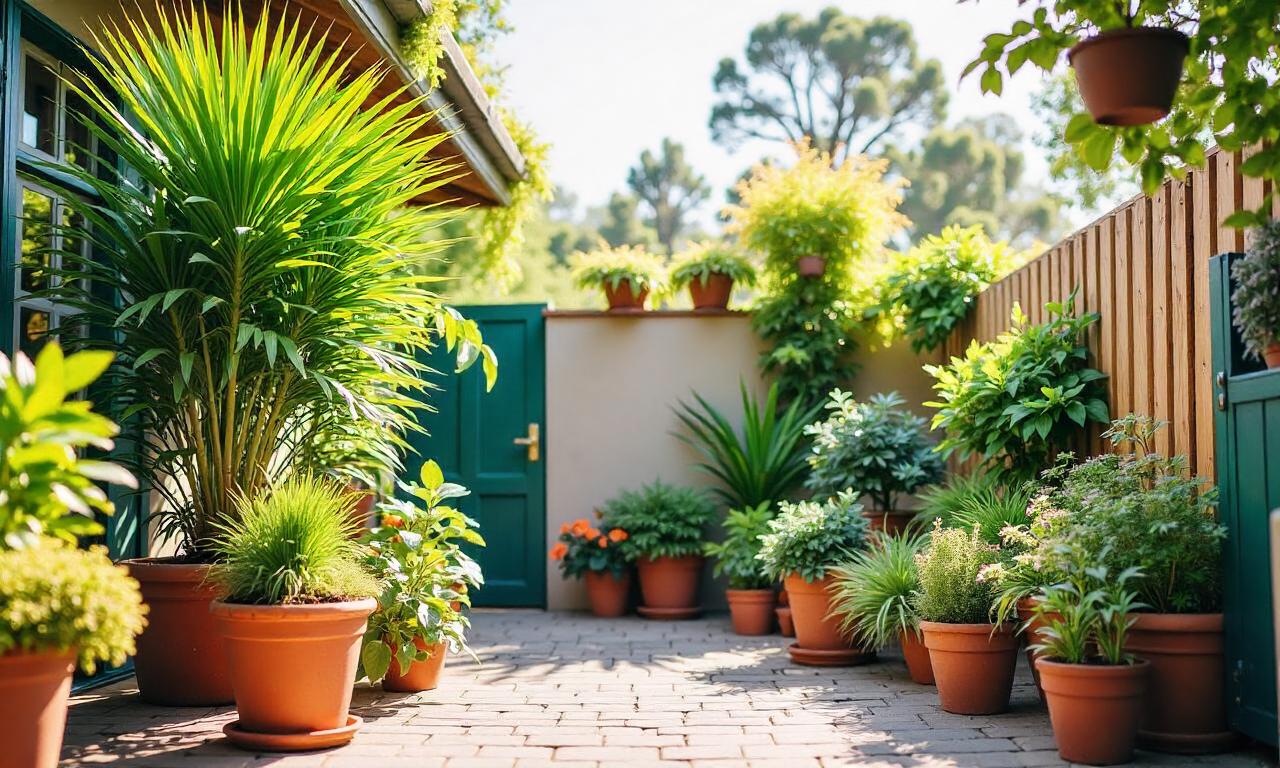
Starting a garden can be one of the most rewarding hobbies for beginners, offering a sense of accomplishment, fresh produce, and a connection to nature. However, the first step in this journey is often the most challenging: choosing the right garden plants that will thrive in your environment and suit your gardening goals. Whether you’re planting flowers for beauty or vegetables for sustenance, the ways to choose the right garden plants for beginners play a crucial role in ensuring your garden is both successful and enjoyable. This guide will walk you through the key factors to consider when selecting plants, providing actionable advice to help you make informed decisions.
Ways to Choose the Right Garden Plants for Beginners
Assess Your Garden Space and Environment
Before diving into plant selection, it’s essential to understand your garden's unique characteristics. Every garden has different conditions, and knowing these will help you narrow down which plants will grow best. Begin by evaluating the amount of sunlight your garden receives daily. Most vegetables and flowers require 6-8 hours of direct sunlight to grow properly, while shade-loving plants like ferns or hostas thrive in low-light areas.
Next, inspect the soil quality. Healthy soil is the foundation of a thriving garden, so consider its texture, drainage, and nutrient content. If your soil is heavy and clay-like, it may retain too much moisture, which can lead to root rot in some plants. On the other hand, sandy soil drains quickly, making it ideal for drought-tolerant species. To improve soil quality, you can add organic matter like compost or mulch to retain moisture and provide essential nutrients.
Also, measure the available space to determine which plants will fit without overcrowding. Tall plants like tomatoes or sunflowers need more room to grow, while compact varieties such as dwarf shrubs or herbs are better suited for small spaces. Taking notes on your garden’s layout will help you plan a balanced and functional design.
Understand Your Climate and Hardiness Zones
Climate is a critical factor in determining which plants will survive in your region. Hardiness zones are a standardized system that categorizes areas based on their average minimum winter temperatures, helping gardeners select plants that are suitable for their local conditions. You can find your hardiness zone using the USDA Plant Hardiness Zone Map or by checking your local gardening association's resources.
Once you know your zone, research plants that are known to thrive there. For example, zone 5 (which covers much of the northern United States) is ideal for plants like peonies, lavender, and roses, which can tolerate colder temperatures. In contrast, zone 9 (found in southern California and Florida) is perfect for tropical plants such as hibiscus, citrus trees, and begonias. Don’t forget to consider microclimates within your garden—such as south-facing walls or shaded areas—which can affect plant growth.
Additionally, evaluate your region's seasonal patterns. Frost dates are important for determining when to plant annuals and perennials, while temperature fluctuations can impact watering schedules and pest management. By aligning your plant choices with your climate and seasonality, you can minimize the risk of failure and create a garden that adapts to local conditions.
Choose Plants Based on Your Goals and Experience
Your gardening objectives will influence your plant selection. Are you interested in growing vegetables for your kitchen, flowers for a colorful display, or herbs for culinary use? Each goal requires a different approach. For example, vegetable gardens often need regular watering, soil amendments, and pest protection, while flower gardens may prioritize color, fragrance, and blooming periods.
Beginners should start with low-maintenance plants that are easier to grow and less prone to disease. Herbs like basil, parsley, and thyme are excellent choices because they require minimal care and can provide immediate results. Marigolds and petunias are also great for beginners, as they flower quickly and add vibrancy to any garden.
If you’re unsure where to start, ask yourself a few questions. Do you have limited time to care for a garden? Opt for self-watering containers or easy-to-grow varieties like peppers or lettuce. Are you looking for a long-term investment? Consider perennials that will return year after year with proper care. By aligning your plant choices with your experience level and goals, you can create a garden that matches your needs.
Start Small and Prioritize Success
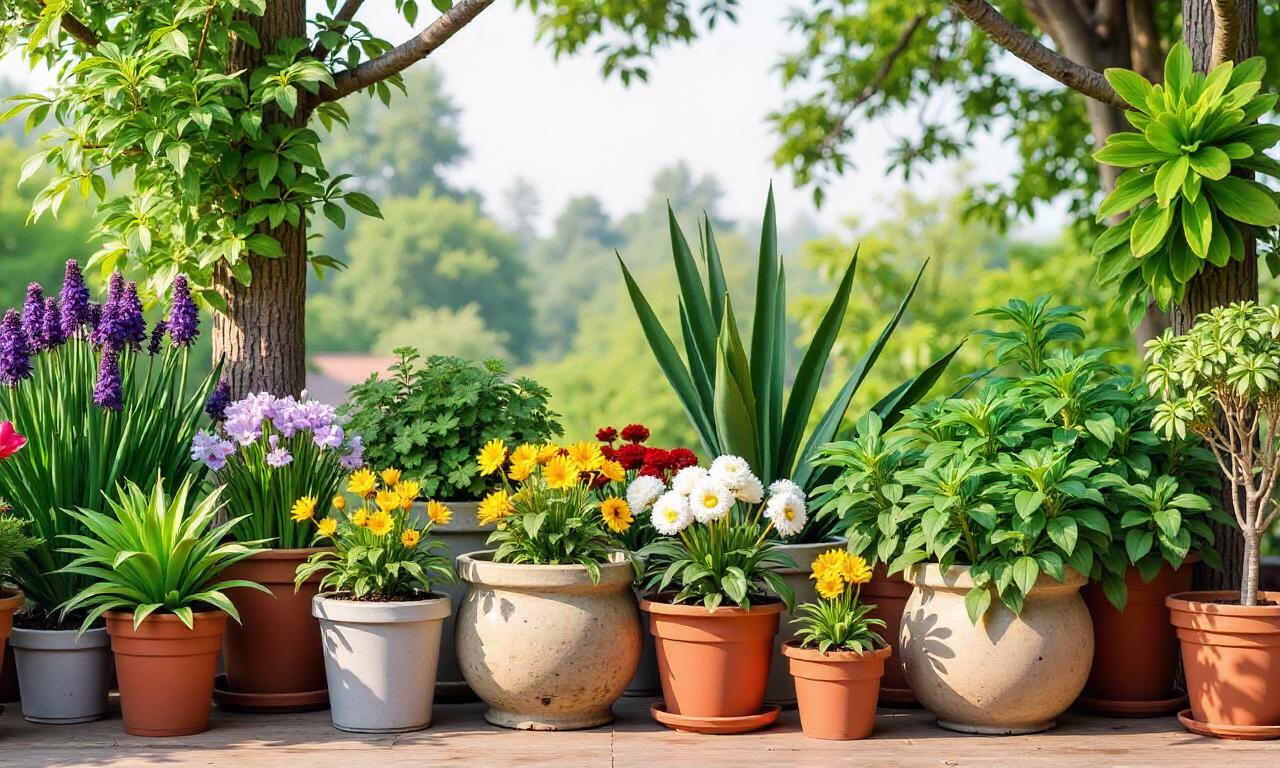
One of the best ways to choose the right garden plants for beginners is to start small and focus on success. Overloading your garden with too many plants at once can overwhelm you and lead to poor results. Instead, choose a few plants that are well-suited to your conditions and monitor their growth. This allows you to learn from any mistakes without feeling discouraged.
When selecting plants for a beginner's garden, prioritize species that are hardy, fast-growing, and resilient. Tomatoes, zucchini, and sunflowers are popular choices because they grow quickly and produce noticeable results. These plants also benefit from simple care routines, such as regular watering and weekly fertilization, making them ideal for new gardeners.
Another key strategy is to start with plants you're familiar with or have seen thriving in local gardens. Observing what grows well in your area can provide valuable insights. For example, if neighborhood gardens are filled with dahlias or lavender, these might be reliable options for your own space. Additionally, trying a few different plants can expand your knowledge and make your garden more diverse.
Ways to Choose the Right Garden Plants for Beginners
Evaluate Your Available Time and Resources
Time and resources are limiting factors for beginners, so selecting plants that match your schedule is essential. If you have limited time to spend in the garden, choose plants with low maintenance requirements. Annuals like marigolds or zinnias require minimal care and quick growth, while perennials like hostas or daylilies may need more attention in the long run. Resources such as water access, tools, and space should also be considered. Container gardening is a great option for those with limited space or poor soil conditions, as it allows you to control the environment and move plants as needed. Indoor seedlings can be a reliable starting point for vegetable gardens, as they grow faster and reduce the risk of early failures.
If you’re unsure about planting techniques, start with a few plants and learn from the process. Reading gardening guides or consulting local experts can help you avoid common pitfalls. By matching your plant choices to your available time and resources, you can create a sustainable and enjoyable garden.
Consider the Plant's Growth Habits and Requirements
Understanding how a plant grows and what it needs will help you make informed decisions. Some plants are annuals, meaning they live for one growing season, while others are perennials that return year after year. Annuals are good for beginners because they provide immediate results, while perennials require more patience but offer long-term benefits. Growth habits such as height, spread, and root depth should also be considered. Tall plants like sunflowers or corn need space to grow vertically, while ground-cover plants like clover or thyme are ideal for filling in gaps. Root depth impacts soil preparation—for instance, deep-rooted plants like carrots or daffodils require well-drained soil, while shallow-rooted plants like lettuce or spinach can thrive in compact soil. Watering and fertilizing needs vary significantly. Drought-tolerant plants like succulents or lavender are perfect for beginners who may forget to water regularly. Plants with high water demands, such as roses or hydrangeas, require consistent moisture and regular care. By assessing these factors, you can ensure your plants receive the right care from the start.
Explore Different Plant Types and Their Benefits
Gardening offers a wide variety of plant types, each with unique benefits. Vegetables provide nutrition and satisfaction, while flowers add aesthetic value and pollinator-friendly elements. Herbs are versatile and practical, often growing quickly and yielding harvests. Choosing a mix of plant types can create a balanced garden that serves multiple purposes. Native plants are another excellent option for beginners. These plants are adapted to local conditions, requiring less water and care. For example, wildflowers like coneflowers or black-eyed Susans are resilient and easy to maintain. Native trees or shrubs can also provide long-term shade and support local wildlife. Ornamental plants like peppers, tomatoes, or herbs are ideal for beginners who want color and yield. Plants with rapid growth such as radishes or spinach can give you a sense of progress quickly. By experimenting with different plant types, you can discover what works best for your space and lifestyle.
Start with Easy-to-Grow Plants and Learn Gradually
For beginners, starting with easy-to-grow plants is the most effective approach. Choosing plants that are hardy, fast-growing, and disease-resistant can reduce stress and increase confidence. Peppers, tomatoes, and herbs are popular choices because they grow quickly and produce visible results. Planting a few varieties and monitoring their progress allows you to learn from the experience. For instance, lettuce is easy to grow, doesn’t require much space, and can be harvested in weeks. Tomatoes, while more demanding, reward you with a bountiful harvest if cared for properly. Herbs like basil or rosemary are simple to maintain and offer immediate use in cooking. As you gain experience, you can introduce more challenging plants. Once you're comfortable with basics, explore companion planting or planting a small vegetable patch. Starting small and gradually expanding ensures you build a solid foundation for long-term success.
Conclusion
Choosing the right garden plants is essential for beginners who want to create a thriving and sustainable garden. By assessing your garden space, understanding your climate, selecting plants based on your goals, and prioritizing ease of care, you can make informed decisions that support your gardening journey. The ways to choose the right garden plants for beginners include researching hardiness zones, considering plant types, and starting with low-maintenance options.
Remember, gardening is a learning process, and every mistake is an opportunity to improve your skills. Whether you’re planting vegetables, flowers, or herbs, patience and persistence are key to success. With the right approach, your garden will flourish and become a source of joy and pride. Start today, choose wisely, and enjoy the process of growing!
