
How to Design a Functional Living Room Layout for Maximum Space
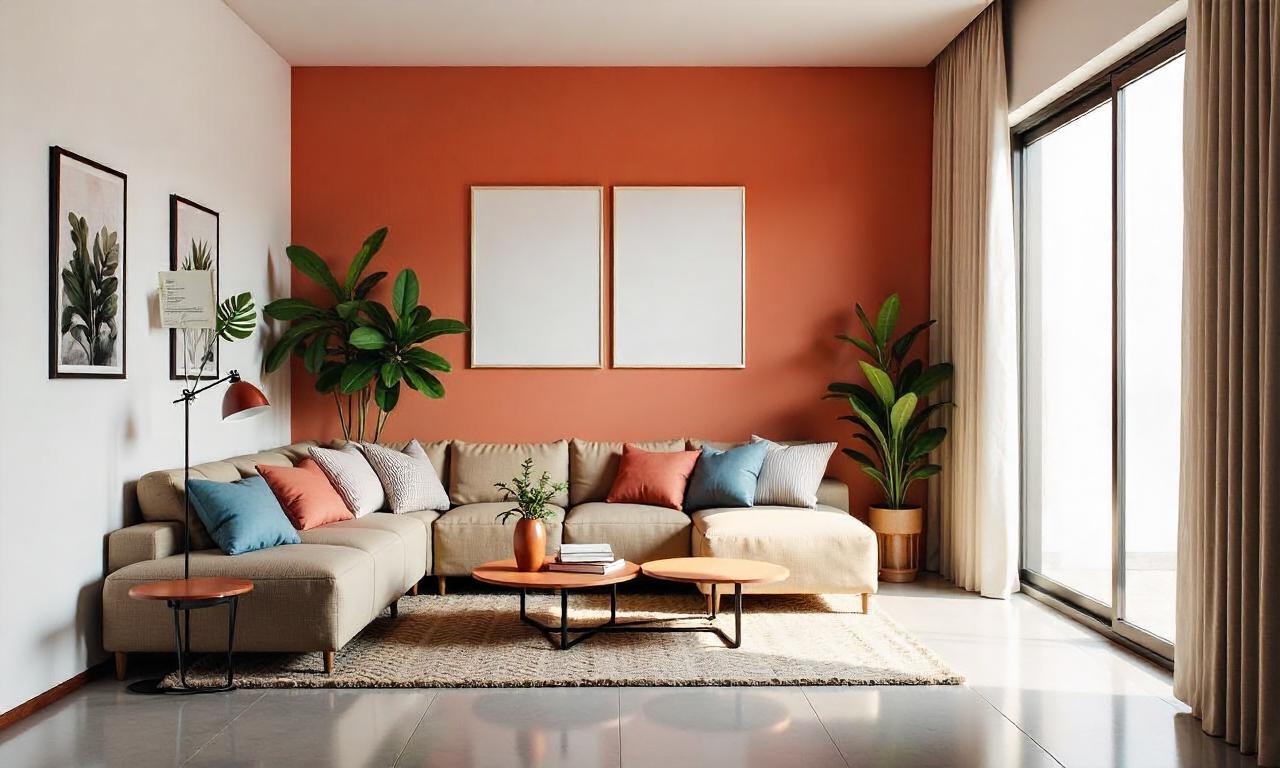
A functional living room layout is essential for creating a space that is both aesthetically pleasing and practical. Whether you’re designing a cozy corner for relaxation or a multi-purpose area for entertaining guests, maximizing the space involves thoughtful planning and smart choices. A well-structured layout can enhance the usability of the room, improve the flow of traffic, and ensure that every element serves a purpose. From space optimization to furniture placement, understanding how to design a functional living room layout can transform your home into a more inviting and efficient environment. This article will guide you through the key steps to achieve this, making it easier to create a layout that balances comfort, style, and functionality.
Assessing the Space: The First Step in How to Design a Functional Living Room Layout
Before diving into the design process, it’s crucial to assess the space thoroughly. This step sets the foundation for a successful layout and ensures that every decision aligns with the room’s dimensions and purpose. Start by measuring the room to determine the total square footage and note any architectural features like windows, doorways, and corners that might impact the design.
Measuring the room accurately allows you to create a floor plan, which is an invaluable tool for visualizing how furniture will fit. Use a measuring tape or a laser tool to record the length, width, and height of the space. This data helps you calculate proportions and avoid overbuying or underutilizing elements. Additionally, pay attention to natural light sources and viewpoints, as these can influence the placement of furniture and the overall ambiance.
The proportions of your living room play a significant role in how it feels. For example, tall rooms with high ceilings may benefit from floor-to-ceiling curtains or floor lamps to add verticality, while shorter rooms can use low-profile furniture to create a sense of openness. Consider the aspect ratio of the room as well. A square room offers more flexibility for symmetrical layouts, whereas a rectangular room may require a diagonal or L-shaped arrangement to maximize space. Understanding the room’s proportions also helps in choosing the right furniture scale. A large sofa might overwhelm a small space, while a compact seating arrangement could feel cramped in a big room. Take time to evaluate the room’s natural light and views. If there’s a window with a beautiful view, position the primary seating area near it to make the most of the visual appeal.
Identifying Key Zones
Every living room has distinct zones that cater to different activities. For example, entertainment zones often require a TV stand or media console, while relaxation zones might feature a sofa and coffee table. To design a functional living room layout, identify these zones and allocate space accordingly. Zoning is especially important in open-plan homes, where the living room may share space with other areas like the kitchen or dining room. Use visual barriers such as rugs, shelves, or plants to define zones without blocking natural flow. For instance, a rug under the main seating area can signal the transition between zones, making the space feel more organized.
Considering Traffic Flow
Traffic flow is a critical aspect of how to design a functional living room layout. Imagine the path people take through the room. Isolating high-traffic areas from low-traffic zones can prevent clutter and congestion. For example, avoid placing a sofa directly in front of a door, as it may create a bottleneck. Instead, position furniture to the sides or corners to allow for unobstructed movement. Planning for traffic flow also involves choosing the right furniture arrangement. A U-shaped layout works well in small spaces, while a straight-line layout is ideal for larger rooms. Ensure that doorways and pathways are at least 36 inches wide to accommodate comfortable movement. A clear line of sight between the entrance and focal points (like a TV or fireplace) can make the room feel more welcoming and functional.
Once you’ve assessed the space, the next step is to plan the layout. This involves mapping out the room and determining how furniture and decor will fit together. A functional living room layout should not only look good but also serve its intended purpose.
The purpose of the living room will dictate the layout’s structure. For example, a family room may prioritize comfort and gathering, while a formal living room might emphasize style and elegance. To design a functional living room layout, start by defining the primary function of the space. If the room is meant for <strong>entertainment</strong>, ensure there’s enough <strong>space for a TV setup</strong> and <strong>seating for guests</strong>. If it’s a <strong>workspace</strong>, incorporate <strong>tables or desks</strong> that are <strong>ergonomically designed</strong>. Even if the room is <strong>multi-purpose</strong>, you can <strong>divide it into sections</strong> for different activities. For instance, a <strong>sofa for lounging</strong>, a <strong>coffee table for work</strong>, and a <strong>corner for a reading nook</strong> can create a <strong>versatile yet organized layout</strong>.
Using a Grid or Modular Approach
A grid-based layout can help you organize the room efficiently. Divide the space into columns and rows to ensure even distribution of furniture. This approach is particularly useful in rectangular rooms, where proportions can be tricky.
Alternatively, a modular approach allows for flexibility and customization. Modular furniture (like stackable sofas or movable shelves) can be adjusted as needed, making it easier to reconfigure the layout. This is ideal for small spaces that may require dynamic use. For example, a convertible sofa can serve as a bed when needed, while folding tables can expand or contract based on the occasion.
Prioritizing Central Focal Points
Every functional living room layout should have a central focal point to anchor the design. This could be a fireplace, a large window, or a statement piece like an artistic sofa or statement lighting. The focal point not only adds visual interest but also guides the flow of the room. Positioning the <strong>focal point</strong> in the <strong>center of the room</strong> creates a <strong>balanced and inviting atmosphere</strong>. For example, if your <strong>central focal point</strong> is a <strong>TV</strong>, place the <strong>sofa facing it</strong> to ensure <strong>optimal viewing comfort</strong>. If it’s a <strong>fireplace</strong>, arrange <strong>seating around it</strong> to <strong>maximize warmth and ambiance</strong>. A <strong>well-placed focal point</strong> can also <strong>reduce the need for excessive decoration</strong>, as it <strong>draws attention</strong> naturally.

Choosing the Right Furniture: Space-Saving and Functional Options
The furniture selection is a crucial part of how to design a functional living room layout. The right furniture pieces can transform the space while ensuring comfort and practicality.
Selecting Multi-Functional Pieces
Multi-functional furniture is a smart choice for maximizing space. For example, a storage ottoman can serve as footrest and extra seating, while a convertible coffee table can store books or remote controls. These pieces reduce clutter and increase usability without taking up extra room. In a <strong>small living room</strong>, every <strong>square inch matters</strong>. A <strong>wall-mounted sofa bed</strong> can <strong>double as a guest bed</strong>, while a <strong>foldable dining table</strong> can <strong>expand for larger gatherings</strong>. By choosing <strong>furniture with multiple uses</strong>, you can <strong>create a versatile layout</strong> that <strong>adapts to different needs</strong>.
Opting for Space-Saving Options
Space-saving furniture is another essential component of how to design a functional living room layout. Look for slim-profile sofas, low-profile chairs, and compact tables to avoid overcrowding the space. Furniture with built-in storage is also ideal for small areas, as it combines function and style. For example, a <strong>bench with hidden storage</strong> can <strong>serve as seating while hiding clutter</strong>, and a <strong>floorstanding bookshelf</strong> can <strong>maximize vertical space</strong> without taking up <strong>floor space</strong>. <strong>Space-saving options</strong> also include <strong>wall-mounted shelves</strong>, <strong>hanging planters</strong>, and <strong>adjustable lighting fixtures</strong> that <strong>can be moved or repositioned</strong> as needed.
Arranging for Comfort and Flow
While furniture selection is important, how it’s arranged is equally crucial for functionality. Create a clear path for traffic flow and ensure comfortable seating for different activities. For example, position the sofa and armchair with enough space between them to allow for easy movement. Avoid <strong>placing furniture too close to walls</strong> unless it’s <strong>intentionally designed</strong> to <strong>create a cozy corner</strong>. Instead, <strong>use the walls for storage</strong> and <strong>hang decor</strong> to <strong>free up floor space</strong>. <strong>Arrange the furniture</strong> so that <strong>people can interact comfortably</strong>, like <strong>grouping seating around a coffee table</strong> or <strong>positioning a </strong>TV<strong> at eye level</strong> for <strong>optimal viewing</strong>.
To design a functional living room layout, it’s not just about furniture placement; it’s also about optimizing every detail to ensure efficiency and comfort. This includes storage solutions, lighting design, and personal touches that make the space feel unique.
Incorporating Storage Solutions
Storage solutions are key to maximizing space. A functional living room layout should minimize clutter and keep essential items within reach. Use floor-to-ceiling shelves, under-seat storage, and cabinet systems to organize books, decor, and electronics. For example, a <strong>floating shelf</strong> can <strong>display artwork or books</strong> while <strong>keeping the floor clear</strong>. A <strong>hidden storage ottoman</strong> can <strong>store blankets or magazines</strong> without <strong>interrupting the visual flow</strong>. <strong>Multi-tiered shelving units</strong> are also <strong>space-efficient</strong>, as they <strong>use vertical space</strong> effectively.
Using Lighting Strategically
Lighting design is often overlooked but plays a vital role in how to design a functional living room layout. Combine ambient lighting, task lighting, and accent lighting to create a layered effect that enhances both functionality and aesthetics. Ambient lighting (like <strong>ceiling lights or recessed lighting</strong>) provides <strong>general illumination</strong>, while <strong>task lighting</strong> (such as <strong>desk lamps or reading lights</strong>) focuses on <strong>specific areas</strong>. <strong>Accent lighting</strong> (like <strong>floor lamps or wall sconces</strong>) adds <strong>visual interest</strong> and <strong>defines zones</strong>. A <strong>central lighting fixture</strong> can also <strong>serve as a focal point</strong> while <strong>providing even light</strong>.
Adding Personal Touches
Personal touches make a functional living room layout feel inviting and unique. Use decorative elements like artwork, plants, or rugs to add character without overspending. A functional living room layout should reflect your personal style while maintaining a cohesive design**.* For instance, a <strong>large area rug</strong> can <strong>define the seating area</strong> and <strong>add warmth</strong>, while <strong>wall art</strong> can <strong>accent the focal point</strong>. <strong>Plants</strong> not only <strong>enhance the aesthetic</strong> but also <strong>improve air quality</strong>. <strong>Personal touches</strong> should be <strong>integrated into the layout</strong> to <strong>create a sense of belonging</strong>.
Finalizing the Layout with Flexibility in Mind
After assessing the space, planning the layout, and choosing the right furniture, it’s important to design a functional living room layout that allows for future changes. Modular furniture, adjustable lighting, and versatile storage solutions can adapt to evolving needs. Consider <strong>how the layout might change</strong> over time. For example, a <strong>sofa that can be rearranged</strong> or a <strong>coffee table that can be converted into a dining table</strong> offers <strong>long-term flexibility</strong>. <strong>Regularly evaluate the layout</strong> and <strong>make adjustments</strong> to <strong>ensure it continues to meet your needs</strong>.
In conclusion, how to design a functional living room layout involves careful planning, smart furniture choices, and attention to detail. By assessing the space, defining the purpose, and optimizing every element, you can create a living room that is both practical and stylish. A well-thought-out layout not only enhances the usability of the room but also creates a welcoming environment for daily life and gatherings. With these strategies in place, you’ll be able to maximize the space and enjoy a functional living room that meets your needs for years to come.
