
How to Create a Low-Maintenance Garden: Tips for Easy Care
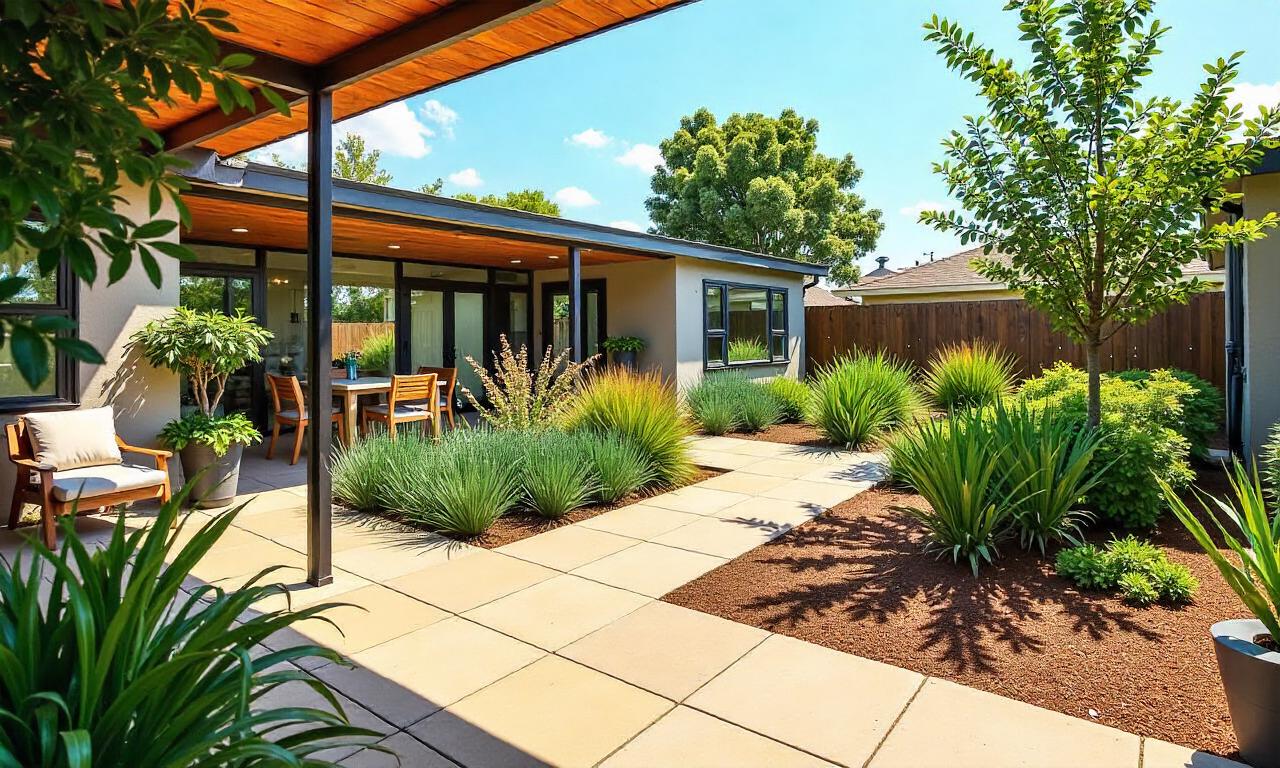
Creating a low-maintenance garden is an excellent way to enjoy the beauty of nature without spending excessive time on upkeep. Whether you’re a busy professional, a new homeowner, or simply someone who prefers a peaceful outdoor space, a low-effort garden can provide a lush, green environment with minimal hassle. The key lies in selecting the right plants, optimizing water usage, and designing your garden for efficiency. By following the how to create a low-maintenance garden guide, you can cultivate a thriving outdoor area that requires little daily attention while still offering aesthetic appeal and productivity.
Section 1: Selecting the Perfect Plants for Minimal Effort
The foundation of any low-maintenance garden begins with plant selection. Choosing the right species can drastically reduce the need for frequent watering, pruning, or pest control. The goal is to create a garden that thrives with minimal intervention, so focus on plants that are drought-resistant, low-water requirements, and adaptable to various conditions.
Native Plants for Sustainability
Native plants are an ideal choice for low-maintenance gardens because they are naturally suited to the local climate, soil, and seasonal changes. These plants require less water, fertilizer, and pesticides compared to non-native species, making them a sustainable option. For example, native grasses like blue grama or switchgrass can thrive with minimal care while adding texture and color to your landscape. Additionally, wildflower gardens made up of local blooms attract pollinators like bees and butterflies, enhancing biodiversity without demanding constant attention.
Drought-Resistant Varieties
Incorporate drought-resistant varieties such as succulents, lavender, or ornamental grasses to ensure your garden survives even during dry spells. These plants have evolved to store water in their leaves or roots, making them resilient to periods of neglect. Succulents, for instance, are perfect for rock gardens or container plantings, as they require infrequent watering and thrive in full sun. Similarly, sedum or yarrow can add visual interest while surviving with little care.
Perennials Over Annuals
Opt for perennials instead of annuals whenever possible. Perennials return year after year, reducing the need for replanting and minimizing labor. They also often require less frequent care, such as pruning or fertilizing. Examples include daylilies, coneflowers, and hostas, which are hardy and low-maintenance. Annuals, while vibrant, need regular replanting and may demand more attention to bloom consistently.
Section 2: Utilizing Mulch and Ground Cover for Long-Term Benefits
Mulch and ground cover are essential components of a low-maintenance garden, offering both functional and aesthetic advantages. These elements help retain soil moisture, suppress weeds, and improve the garden’s overall health with minimal effort.
The Role of Mulch in Garden Maintenance
Mulch acts as a protective layer over the soil, reducing the need for frequent watering and weeding. Organic mulches, such as wood chips or straw, gradually decompose and enrich the soil with nutrients, while inorganic options like gravel or stone provide long-term durability. Applying a 2–3 inch layer of mulch around plants can significantly cut down on maintenance, as it minimizes evaporation and prevents weed growth. Additionally, mulch regulates soil temperature, protecting plant roots from extreme heat or frost.
Ground Cover Plants for Natural Suppression
Ground cover plants, such as clover, thyme, or ivy, can replace traditional grass lawns, offering a low-maintenance garden solution. These plants grow densely, preventing weeds from taking hold and reducing the need for mowing. For instance, clover requires less water and fertilizer than grass, while thyme can be used as a decorative ground cover in sunny areas. By strategically placing ground cover in high-traffic zones or areas prone to weeds, you create a more sustainable and effortless garden.
Application Tips for Effective Mulching
To maximize the benefits of mulch, ensure it is applied correctly. Avoid piling it against plant stems to prevent rot, and replenish it regularly to maintain its effectiveness. Choose a mulch type that suits your garden’s needs—organic for nutrient enrichment or inorganic for long-term stability. A well-mulched garden not only looks tidier but also reduces the frequency of maintenance tasks, making it a cornerstone of a low-maintenance garden.
Section 3: Designing a Functional Garden Layout
A well-designed garden layout can streamline maintenance tasks and enhance the overall experience. By organizing your space thoughtfully, you reduce the need for constant intervention while creating an inviting environment.
Raised Beds for Easier Access
Raised beds are a low-maintenance garden solution that simplifies planting, watering, and weeding. By elevating the soil, you can improve drainage, reduce compaction, and control the growing environment more effectively. These beds are particularly beneficial for vegetable gardens or flower beds, as they allow for easier access to plants without the hassle of digging into heavy soil. Choose a height that suits your physical needs and fill with a high-quality soil mix to promote healthy growth.
Vertical Gardening to Save Space
Vertical gardening is another innovative way to design a low-maintenance garden that maximizes space. By using trellises, wall planters, or hanging baskets, you can grow plants upward instead of outward, reducing the need for extensive ground maintenance. Climbing plants like bougainvillea or cucumber vines are perfect for this approach, as they require minimal pruning and can thrive in limited areas. Vertical structures also help conserve water by reducing evaporation and making it easier to monitor plant health.
Pathways and Zones for Efficiency
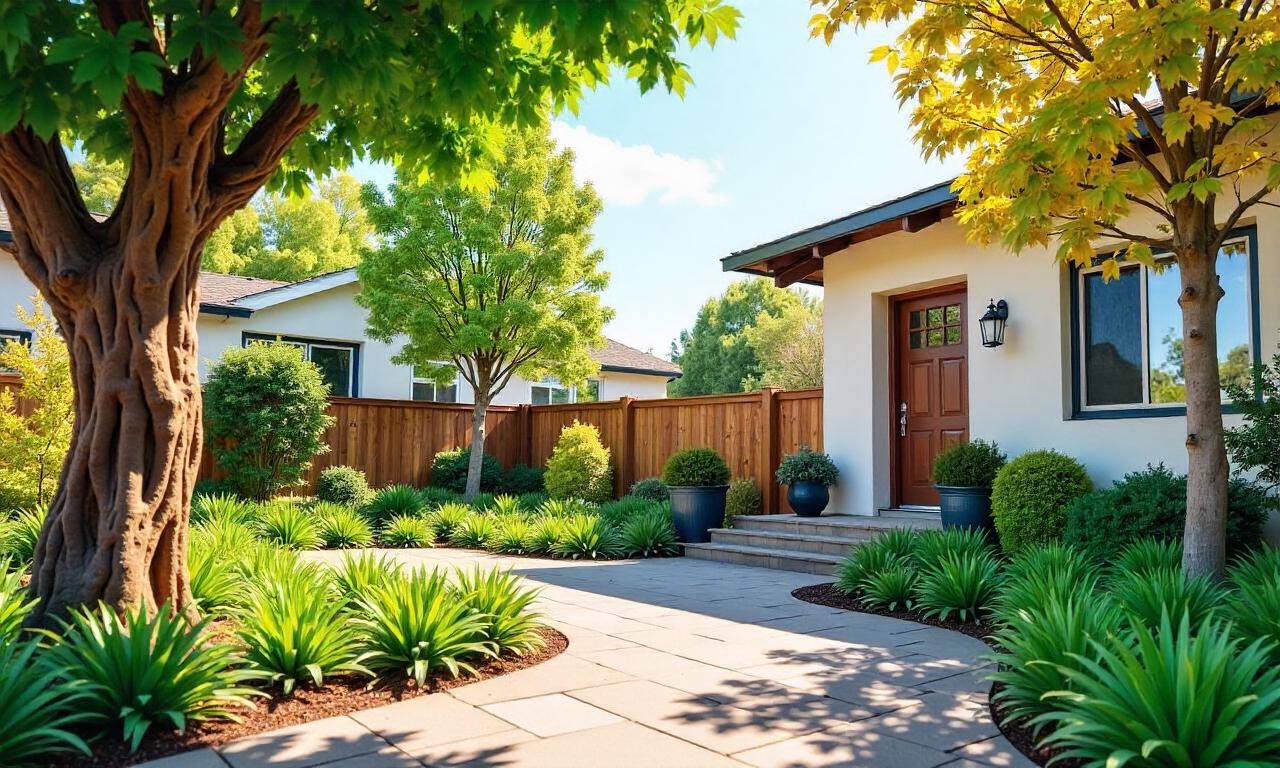
Creating clear pathways and dividing the garden into zones can help you manage tasks more efficiently. Winding paths made of gravel, pavers, or stepping stones allow easy access to different areas while preventing soil compaction. Zone your garden based on plant needs—grouping sun-loving plants together and shade-tolerant species in another area—reduces the need for frequent movement and adjustments. This method also ensures that plants receive the appropriate care without unnecessary effort.
Section 4: Incorporating Smart Tools and Techniques
Modern tools and techniques can further simplify the care of a low-maintenance garden, allowing you to focus on enjoying the results rather than the work. Invest in time-saving equipment and automation systems to streamline tasks like watering, mowing, and monitoring.
Drip Irrigation Systems for Water Efficiency
A drip irrigation system is a game-changer for a low-maintenance garden. This method delivers water directly to plant roots, minimizing waste and ensuring even hydration. Unlike traditional sprinklers, drip irrigation reduces the need for manual watering, saving time and effort. Install it in perennial beds, vegetable plots, or flower gardens to maintain consistent moisture levels with minimal intervention.
Smart Mowers and Garden Tools
Opt for smart mowers and compact garden tools to reduce the physical strain of maintenance. Electric mowers are quieter and require less energy than gas-powered ones, while robotic mowers can operate autonomously, cutting grass with minimal supervision. Additionally, self-propelled tools like hedge trimmers or electric trimmers make tasks like pruning or edging faster and more efficient. These tools are especially useful for larger gardens or for those who want to minimize manual labor.
Monitoring with Technology
Leverage smart technology to monitor your garden’s health from anywhere. Soil moisture sensors can alert you when plants need watering, while smart irrigation controllers adjust schedules based on weather conditions. These tools ensure that your low-maintenance garden remains vibrant without requiring constant checks. Pair this with pest control methods like companion planting or natural repellents to further reduce the need for chemical interventions.
Conclusion
Creating a low-maintenance garden is all about smart planning, strategic choices, and efficient techniques. By selecting drought-resistant plants, using mulch and ground cover, and designing a functional layout, you can significantly reduce the time and effort required for upkeep. Additionally, incorporating modern tools like drip irrigation and smart technology ensures that your garden thrives with minimal intervention. Whether you’re aiming for a small balcony or a sprawling backyard, following the how to create a low-maintenance garden guide allows you to enjoy a beautiful outdoor space without the burden of constant work. With these tips in place, you can transform your garden into a harmonious blend of nature and ease, making it a source of relaxation and pride.
