
How Eco-Tourism Benefits Local Communities and Preserves Nature
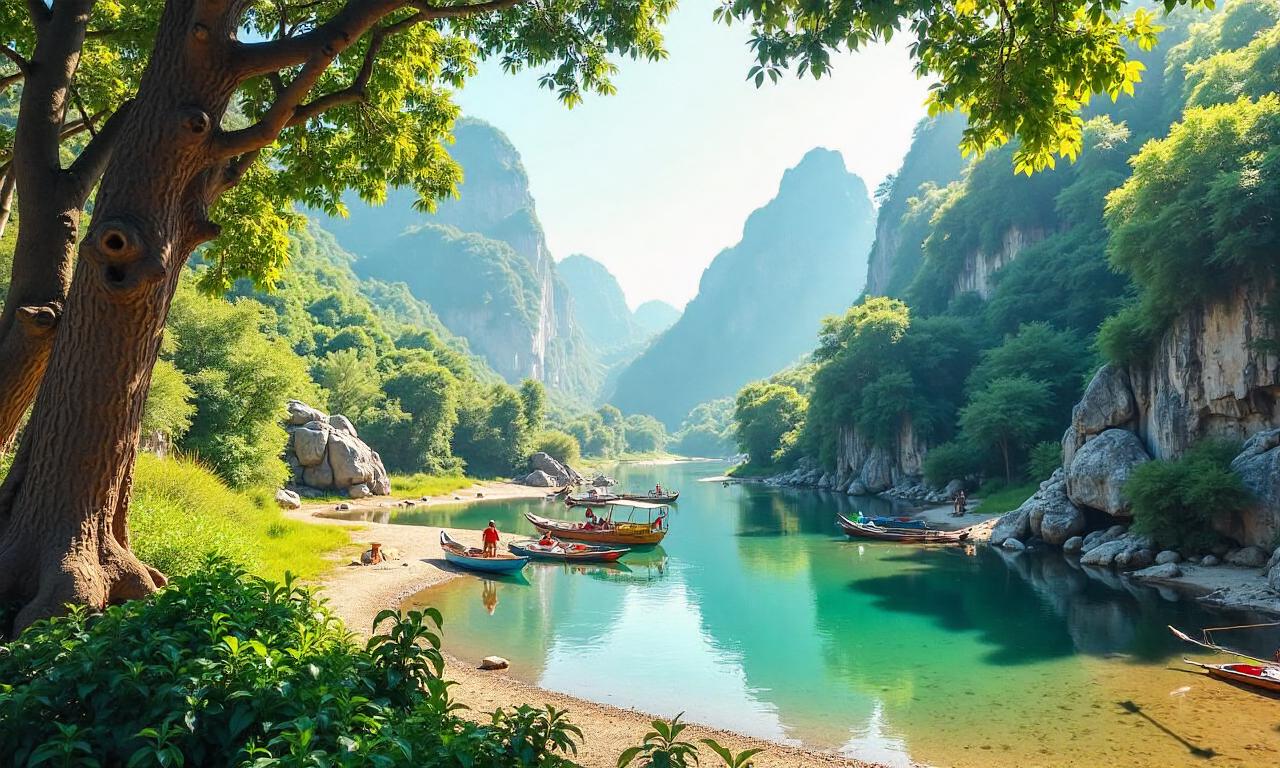
Eco-tourism has emerged as a powerful tool for sustainable development, offering a unique blend of environmental conservation and community empowerment. As the world grapples with the dual challenges of climate change and cultural erosion, eco-tourism impact on local communities has become a focal point for advocates of responsible travel. Unlike conventional tourism, which often prioritizes mass consumption and environmental degradation, eco-tourism emphasizes low-impact travel that supports both the natural environment and the people who live in it. This article explores how eco-tourism benefits local communities, fosters environmental preservation, and creates a harmonious relationship between tourism and sustainability.
The Economic Benefits of Eco-Tourism
Eco-tourism is not just about protecting the environment; it also plays a crucial role in boosting the local economy. By directing tourism revenue directly to the communities, eco-tourism impact on local communities is maximized, creating long-term financial stability and reducing reliance on external resources.
Generating Sustainable Income
One of the most significant eco-tourism impact on local communities is the creation of sustainable income streams. Local residents can earn money through eco-friendly activities such as guiding tours, selling handcrafted goods, or operating small-scale accommodations. For example, community-run lodges in remote areas often employ local staff, offering employment opportunities that might otherwise be unavailable. This not only reduces unemployment but also encourages the development of local entrepreneurship, as residents are motivated to invest in their own businesses.
Supporting Traditional Industries
Eco-tourism often revitalizes traditional industries that are at risk of decline due to modernization. In many rural areas, local artisans and farmers can benefit from eco-tourism by selling their products to visiting tourists. This direct economic support helps preserve cultural heritage while providing a livelihood for community members. Additionally, the demand for locally sourced goods encourages agricultural sustainability, as farmers are incentivized to adopt eco-friendly practices that protect soil health and biodiversity.
Cultural Preservation Through Eco-Tourism
Beyond economic gains, eco-tourism fosters the preservation of cultural heritage and promotes mutual understanding between visitors and local communities. This eco-tourism impact on local communities ensures that traditions are not only maintained but also celebrated and shared with the world.
Encouraging Cultural Exchange
Eco-tourism encourages cultural exchange by allowing tourists to engage with local customs, languages, and traditions. For instance, community-led tours often include interactions with indigenous elders or local guides, who share knowledge about the area’s history and ecology. This exchange not only educates visitors but also empowers local communities by giving them a platform to showcase their culture. Such interactions can lead to increased cultural pride among residents, as their traditions gain recognition and value on a global scale.
Safeguarding Intangible Heritage
Many eco-tourism impact on local communities initiatives focus on safeguarding intangible heritage, such as oral histories, folk music, and traditional crafts. By integrating these elements into the tourism experience, communities are motivated to pass down their cultural practices to future generations. For example, eco-tourism impact on local communities in regions like Costa Rica or Bhutan often include visits to cultural sites where tourists learn about indigenous ways of life. This not only preserves the cultural identity of these communities but also ensures that their stories are told authentically, avoiding the homogenization that often accompanies mass tourism.
Environmental Conservation Through Eco-Tourism
Eco-tourism is inherently tied to environmental conservation, as it promotes the protection of natural habitats and wildlife while raising awareness about ecological issues. This eco-tourism impact on local communities is essential for maintaining biodiversity and ensuring that tourism does not come at the expense of nature.
Promoting Sustainable Practices
Eco-tourism encourages the adoption of sustainable practices that minimize the environmental footprint of tourism activities. For example, eco-tourism impact on local communities often involves the use of renewable energy sources, waste reduction initiatives, and the preservation of natural landscapes. These practices not only protect the environment but also set a precedent for environmentally responsible behavior within the community. By involving local stakeholders in conservation efforts, eco-tourism ensures that environmental protection is a shared responsibility rather than an imposed obligation.
Funding Conservation Efforts
Another key eco-tourism impact on local communities is the ability to fund conservation projects through tourism revenue. Entrance fees to national parks, donations from eco-conscious travelers, and partnerships with environmental organizations can provide critical financial support for initiatives like reforestation, wildlife protection, and habitat restoration. In regions such as Kenya or Peru, eco-tourism impact on local communities has been instrumental in protecting endangered species and restoring ecosystems. This financial investment helps local governments and NGOs implement long-term environmental strategies, ensuring that natural resources are preserved for future generations.
Challenges and Solutions in Eco-Tourism
While eco-tourism offers numerous benefits, it is not without its challenges. Addressing these issues is crucial to ensuring that eco-tourism impact on local communities remains positive and long-lasting.

Balancing Tourism and Nature
One of the main challenges of eco-tourism is balancing the needs of tourists with the preservation of natural environments. Over-tourism can lead to habitat destruction, pollution, and the displacement of local wildlife. To mitigate this, eco-tourism impact on local communities often includes strict visitor limits, designated eco-friendly trails, and educational programs for tourists. These measures help maintain the ecological integrity of the area while still allowing communities to benefit from tourism.
Another critical issue in eco-tourism impact on local communities is ensuring that the economic benefits are distributed equitably. If tourism revenue is controlled by external corporations rather than local residents, the eco-tourism impact on local communities may not be as positive as intended. To address this, many eco-tourism projects prioritize community ownership, where local residents are involved in decision-making and profit-sharing. This approach not only empowers communities but also fosters a sense of stewardship, as residents take an active role in managing their natural resources.
The Role of Education and Awareness
Education and awareness are integral to maximizing the eco-tourism impact on local communities. By informing both tourists and residents about the importance of sustainability, eco-tourism can create a more responsible and informed approach to travel and conservation.
Teaching Visitors About Sustainability
Eco-tourism often includes educational components that teach visitors about environmental and cultural preservation. For example, eco-tourism impact on local communities in places like New Zealand or the Amazon rainforest may involve guided tours that explain the ecological significance of the area. These educational experiences not only enhance the tourist experience but also encourage environmentally conscious behavior, such as reducing plastic use and supporting local conservation efforts.
Empowering Local Residents
In addition to educating tourists, eco-tourism impact on local communities also focuses on empowering residents through training and skill development. Programs that teach sustainable agriculture, eco-friendly construction, or environmental monitoring can equip community members with the knowledge to manage their resources effectively. By investing in local education and training, eco-tourism ensures that communities are well-prepared to sustain their environment and economy in the long term.
Case Studies: Success Stories of Eco-Tourism
Real-world examples demonstrate how eco-tourism has successfully benefited local communities and preserved nature. These case studies highlight the practical applications of eco-tourism impact on local communities and serve as models for other regions.
Costa Rica: A Model of Eco-Tourism
Costa Rica is often cited as a global leader in eco-tourism, where the government has implemented policies to protect its rich biodiversity while supporting local economies. Eco-tourism impact on local communities in Costa Rica includes the creation of community-based tourism initiatives that allow indigenous and rural populations to earn income from their natural surroundings. For instance, eco-tourism impact on local communities in the Osa Peninsula has helped fund conservation projects while providing jobs for local guides and artisans. This model has proven that eco-tourism can generate economic growth without compromising environmental integrity.
Bhutan: Gross National Happiness and Eco-Tourism
Bhutan’s commitment to eco-tourism impact on local communities is deeply rooted in its national philosophy of Gross National Happiness. The country’s tourism policies prioritize sustainability, ensuring that eco-tourism impact on local communities is both measurable and equitable. By restricting the number of tourists and requiring them to contribute to environmental and cultural preservation efforts, Bhutan has managed to maintain its natural beauty while supporting the livelihoods of its people. This approach has inspired other nations to adopt similar strategies, proving that eco-tourism can align economic development with environmental stewardship.
Future Prospects and the Need for Continued Efforts
As eco-tourism continues to gain traction, its potential to benefit local communities and preserve nature is boundless. However, eco-tourism impact on local communities will require ongoing commitment from governments, businesses, and tourists alike.
Expanding Eco-Tourism Initiatives
The future of eco-tourism lies in expanding its reach to more regions while maintaining its core principles. By investing in infrastructure that supports sustainable travel, such as eco-lodges and low-impact transportation, communities can maximize the benefits of tourism without sacrificing their environment. Additionally, technology can play a role in enhancing eco-tourism, allowing for real-time monitoring of environmental impacts and improving the tourist experience through digital tools.
Collaborating for Long-Term Success
Long-term success in eco-tourism impact on local communities depends on collaboration between stakeholders. Governments can provide regulatory frameworks that ensure eco-tourism remains sustainable, while businesses can prioritize ethical practices and invest in community development. Tourists, too, have a role to play by choosing eco-friendly travel options and supporting local initiatives. When all these groups work together, eco-tourism impact on local communities can be maximized, creating a future where both people and nature thrive.
Conclusion
In conclusion, eco-tourism offers a sustainable and mutually beneficial model for eco-tourism impact on local communities and environmental preservation. By generating economic opportunities, preserving cultural heritage, and promoting ecological conservation, eco-tourism creates a balanced approach to development that respects both people and nature. The success of initiatives in places like Costa Rica and Bhutan demonstrates that eco-tourism impact on local communities can be transformative when implemented with care and collaboration. As the world increasingly values sustainability, eco-tourism stands out as a vital solution for ensuring that natural environments are protected while supporting the well-being of local populations. With continued efforts and a focus on community-centered development, eco-tourism can secure a brighter future for both the planet and the people who call it home.
