
How to Choose Between Indoor and Outdoor Plants: A Guide
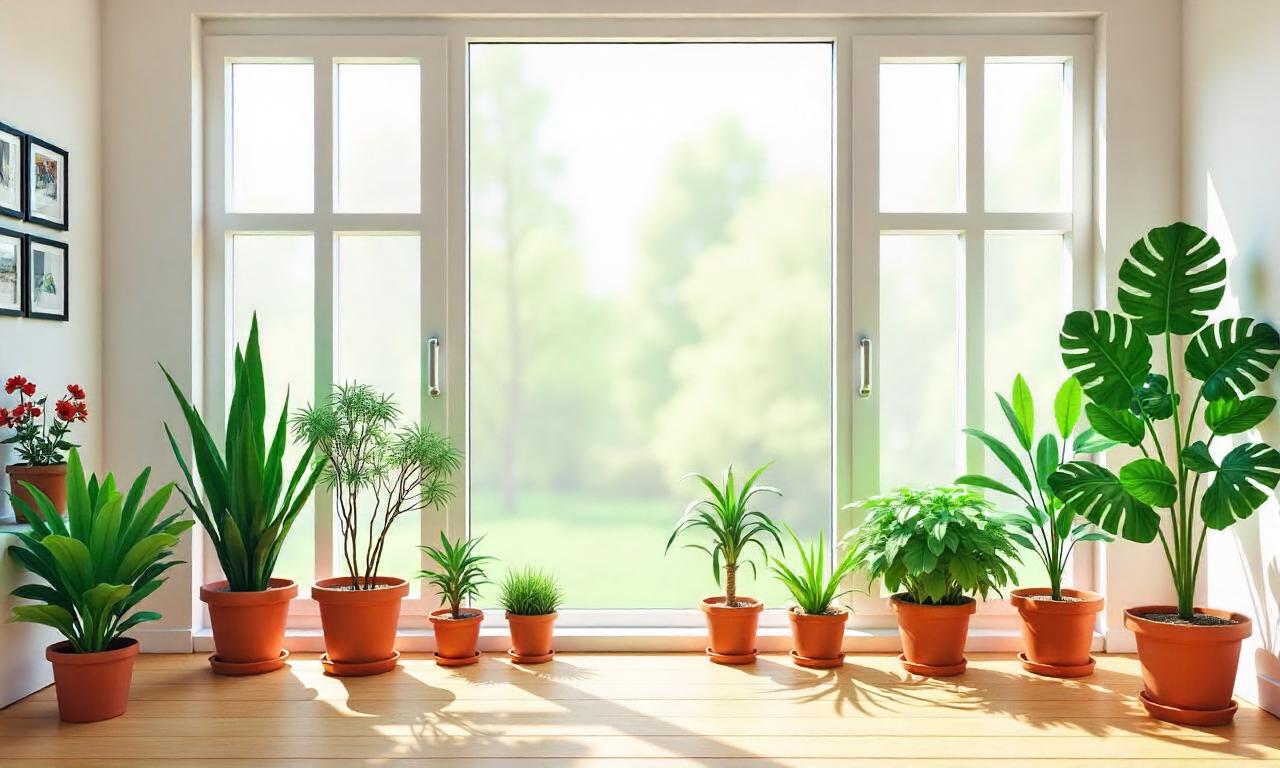
When it comes to decorating your living space with greenery, the decision between indoor and outdoor plants can feel overwhelming. Whether you’re a seasoned gardener or a beginner, understanding the differences between these two types of plants is essential to creating a thriving, healthy environment. How to choose between indoor and outdoor plants depends on several factors, including light conditions, climate, maintenance needs, and design goals. This guide will walk you through the key considerations to help you make the best choice for your home or garden.
Factors to Consider When Deciding Between Indoor and Outdoor Plants
Choosing the right plants for your space requires a thoughtful evaluation of your environment and lifestyle. Let’s break down the critical elements that will guide your decision.
Light Requirements: A Key Differentiator
The amount of sunlight your space receives is one of the most important factors in determining whether a plant will thrive indoors or outdoors. Indoor plants typically require indirect light or low light conditions, while outdoor plants often need direct sunlight to grow properly.
For example, snake plants and ZZ plants are excellent choices for indoor environments because they can survive in low light and require minimal care. On the other hand, succulents and lavender need full sun to maintain their vibrant colors and healthy growth. If your home has limited natural light, indoor plants are a safer bet. However, if you have a sunny backyard or balcony, outdoor plants can add a touch of natural beauty and require more sunlight.
It’s also important to consider the type of light in your space. Direct sunlight can be harsh, especially during peak hours, while filtered light or artificial lighting might be necessary for indoor plants. If you’re unsure about your light conditions, observe your space over a week and note where the sun shines the most. This will help you match the plant to its ideal environment.
Climate and Temperature: The Ultimate Test
Climate plays a major role in the survival of both indoor and outdoor plants. Outdoor plants are often more sensitive to temperature changes, requiring specific conditions to grow. For instance, tropical plants like monstera or pandanus thrive in warm, humid environments, making them better suited for indoor spaces where temperature and humidity can be controlled.
Conversely, hardy outdoor plants such as roses, hostas, or hydrangeas can withstand temperature fluctuations and seasonal changes. If you live in a cold climate or have a limited growing season, outdoor plants might struggle unless you choose cold-hardy varieties. In contrast, indoor plants are generally more resilient to temperature extremes, making them a better option for seasonal or unpredictable weather.
Another consideration is humidity levels. Indoor plants often prefer moderate humidity, while outdoor plants may require higher or lower humidity depending on their native habitat. For example, cactus and succulents thrive in dry, arid climates, whereas ferns and orchids need high humidity. If your home is dry, you might need to use humidifiers or misting techniques to support indoor plants.
Maintenance and Time Commitment
The time and effort you’re willing to invest in plant care will also influence your choice. Indoor plants are generally easier to maintain, especially if you opt for low-maintenance varieties. They often require less frequent watering and minimal fertilization, making them ideal for busy individuals or those new to gardening. Outdoor plants, however, may demand more attention. For example, flowering plants like roses or marigolds need regular pruning, pest control, and soil management. If you have limited time, indoor plants are a practical choice. But if you enjoy gardening and want to grow more complex plants, outdoor plants could be the way to go.
Additionally, indoor plants are often less susceptible to pests and weather-related damage, which reduces the risk of plant loss. Outdoor plants, on the other hand, may face challenges like insects, diseases, and extreme weather. If you’re looking for plant longevity, indoor plants might offer more stability.
Space and Location: Matching the Environment
The size of your space and placement are also crucial when deciding between indoor and outdoor plants. Indoor plants are available in various sizes, from small succulents to large trees, allowing you to customize your space. However, outdoor plants typically require more room to grow, especially if you’re planting in a garden or yard.
Consider the location of your plants as well. Indoor plants are best suited for rooms with windows or areas with artificial lighting, while outdoor plants need open space and access to natural elements. If you have a small apartment with limited window space, focus on compact indoor plants like pothos or spider plants. For larger spaces or patios, outdoor plants like bamboo or hydrangeas can create a lush, green atmosphere.
Types of Plants: Indoor vs. Outdoor
Understanding the types of plants that thrive in indoor or outdoor environments will help you make an informed decision. Each category offers unique benefits and characteristics, so let’s explore the most common options in detail.
Indoor Plants: Low-Maintenance and Versatile
Indoor plants are designed to thrive in controlled environments, making them a popular choice for home decor. They often require less sunlight, moderate watering, and minimal attention. Some of the most popular indoor plants include:
– Snake Plant (Sansevieria) – Known for its air-purifying properties, this plant is low-maintenance and can thrive in low light. – Pothos (Epipremnum aureum) – A versatile climber that adapts to different light conditions and minimal care. – Peace Lily (Spathiphyllum) – A flowering plant that prefers indirect light and moderate humidity.
These plants are ideal for rooms with limited natural light or spaces where you can’t monitor weather conditions. They also add a touch of greenery without demanding too much effort.
Outdoor Plants: Thriving in Nature
Outdoor plants are built to grow in natural settings, often requiring direct sunlight, adequate space, and seasonal care. They can transform gardens, patios, and landscapes into vibrant, living spaces. Some common outdoor plants include:
– Succulents – These water-wise plants are perfect for sunny areas and dry climates. – Sunflowers – A bold statement plant that needs full sun and well-drained soil. – Peonies – Perennial flowers that bloom in spring and require adequate space to grow.
If you want to grow plants that flourish outdoors, these varieties are a great starting point. They often provide long-term beauty and seasonal interest, making them a favorite for gardeners.
Adapting Plants to Your Environment
Not all plants are suitable for both indoor and outdoor environments. For example, monstera plants are indoor favorites due to their large leaves and slow growth, while cacti are outdoor staples because of their water conservation and ability to survive in harsh conditions.
However, some plants can adapt to both environments. Peace lilies, for instance, can survive in indoor spaces with moderate light but may flower more when placed outdoors. This versatility makes them a good option for those who want to experiment.
Choosing Based on Your Lifestyle
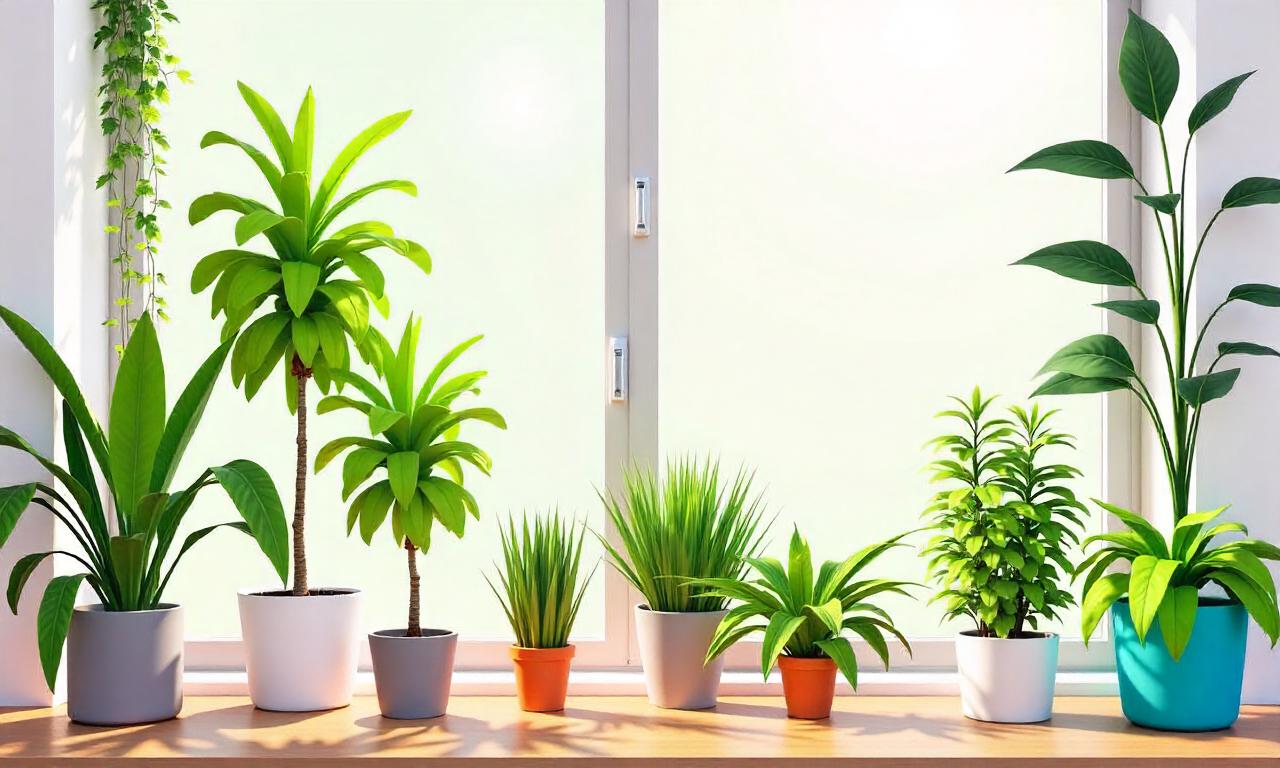
Your lifestyle also plays a role in how to choose between indoor and outdoor plants. If you’re always on the go, indoor plants like snake plants or ZZ plants are ideal because they require minimal care. Conversely, if you enjoy gardening and have time to dedicate to plant maintenance, outdoor plants like roses or hydrangeas can offer more rewarding experiences.
Maintenance Requirements: What You Need to Know
Once you’ve selected your plants, the next step is understanding their maintenance needs. Both indoor and outdoor plants require different levels of care, so let’s dive into the specifics.
Watering Frequency: A Key Component
Watering is one of the most critical aspects of plant care. Indoor plants often have specific watering requirements, depending on their species and environment. For example, snake plants prefer watering once a week, while ferns may need daily misting in dry climates. Outdoor plants, on the other hand, may require more frequent watering, especially during hot weather or dry seasons. Succulents and cacti are low-water plants, thriving with infrequent watering, whereas hydrangeas and roses need consistent moisture. To avoid overwatering or underwatering, it’s important to check the soil moisture before watering.
Sunlight Exposure: A Major Factor
Sunlight exposure directly impacts plant growth and health. Indoor plants are often low-light plants, but some species like peace lilies or ferns prefer indirect light. If you’re unsure about the sunlight conditions in your space, observe the area for a few days to determine where the sun shines the most.
For outdoor plants, full sun is often necessary for blooming and healthy growth. Sunflowers and roses need 6–8 hours of direct sunlight per day, while ferns and orchids thrive in shaded areas. If you’re planting in a shady backyard, focus on shade-loving plants like hostas or ferns.
Fertilization and Soil Needs
Fertilization is another aspect of plant maintenance. Indoor plants generally require fertilization every 2–4 weeks, especially during growing seasons. However, over-fertilizing can lead to burning roots and yellowing leaves. Outdoor plants often need more frequent fertilization, depending on the soil quality and plant type. For example, roses benefit from weekly fertilization during spring and summer, while succulents may need fertilizer only once a month. It’s important to choose the right soil for each plant type—indoor plants thrive in well-draining potting soil, while outdoor plants may require rich, loamy soil with adequate nutrients.
Pest Control and Seasonal Care
Both indoor and outdoor plants are susceptible to pests and diseases, but the type of pests may vary. Indoor plants often face spider mites, mealybugs, and fungal infections, which can be managed with regular inspections and insecticidal soaps. Outdoor plants may encounter insects like aphids, slugs, and snails, as well as diseases caused by rain or humidity. Seasonal care is also essential for outdoor plants, such as pruning, mulching, and protecting from frost. If you’re planting in a temperate climate, ensure outdoor plants are winter-hardy.
Design Considerations: Aesthetics and Placement
The design of your space plays a significant role in how to choose between indoor and outdoor plants. Whether you want to add a touch of greenery to your living room or transform your garden, the placement and aesthetics of the plants matter.
Indoor Plant Placement for Decor
Indoor plants can enhance the visual appeal of your home while improving air quality and mood. When placing indoor plants, consider the room’s function and decor style. For example:
– Living Room: Choose statement plants like monstera or fiddle-leaf fig to create a bold, tropical vibe. – Kitchen: Opt for herb plants like basil or cilantro for both aesthetic and practical purposes. – Office Space: Go for low-maintenance plants like snake plants or ZZ plants to reduce stress and boost productivity.
Indoor plants can also complement modern or traditional decor. Succulents are perfect for minimalist designs, while flowering plants like peace lilies add soft, elegant touches.
Outdoor Plant Placement for Landscape
Outdoor plants are ideal for creating natural beauty and functional spaces. When designing your garden, consider the layout and purpose of the area. For instance:
– Front Yard: Use tall plants like hydrangeas or daylilies to add height and color. – Backyard: Incorporate shade plants like hostas or ferns in shaded areas, and sun-loving plants like sunflowers in sunny spots. – Patio: Choose compact plants like lavender or geraniums to create a cozy, fragrant space.
Outdoor plants can also define different zones in your garden. For example, border plants like dahlias or petunias can frame your garden, while groundcover plants like lilies or roses can fill in empty spaces.
Balancing Aesthetics and Functionality
When choosing plants for your space, it’s important to balance aesthetics and functionality. For example, indoor plants can improve air quality, while outdoor plants can provide shade or protect your home.
Additionally, plant color schemes should align with your overall design. Indoor plants with green or variegated leaves can complement neutral tones, while flowering plants with bright blooms can add vibrancy to your space. Outdoor plants often offer natural textures and seasonal color changes, making them a dynamic choice for garden design.
Creating Harmony in Your Environment
To create harmony, ensure that the plants you choose match the mood and purpose of your space. For instance, indoor plants with calming green tones are perfect for relaxing areas, while outdoor plants with bold colors can add energy to active spaces.
Moreover, plant placement should consider airflow and prevent overcrowding. Indoor plants in small rooms should not be overgrown, while outdoor plants in gardens should allow for easy maintenance. By carefully selecting and placing plants, you can achieve a balanced, beautiful space.
Conclusion
Choosing between indoor and outdoor plants is a decision that requires careful consideration of light, climate, maintenance, and design goals. By evaluating these factors, you can create a thriving environment that suits your lifestyle and space. How to choose between indoor and outdoor plants ultimately depends on your preferences and needs. If you prioritize low-maintenance options, indoor plants like snake plants or ZZ plants are a great choice. However, if you enjoy gardening and want to grow vibrant, seasonal plants, outdoor plants such as roses or hydrangeas may be more suitable.
Remember, each plant has unique requirements, so researching and observing your environment is key to successful plant care. Whether you’re decorating your home or transforming your garden, the right choice will enhance your space and bring life to your surroundings. With this guide, you’re now equipped to make an informed decision and create a green, healthy environment.
