
Vertical Gardening Strategies to Maximize Garden Space
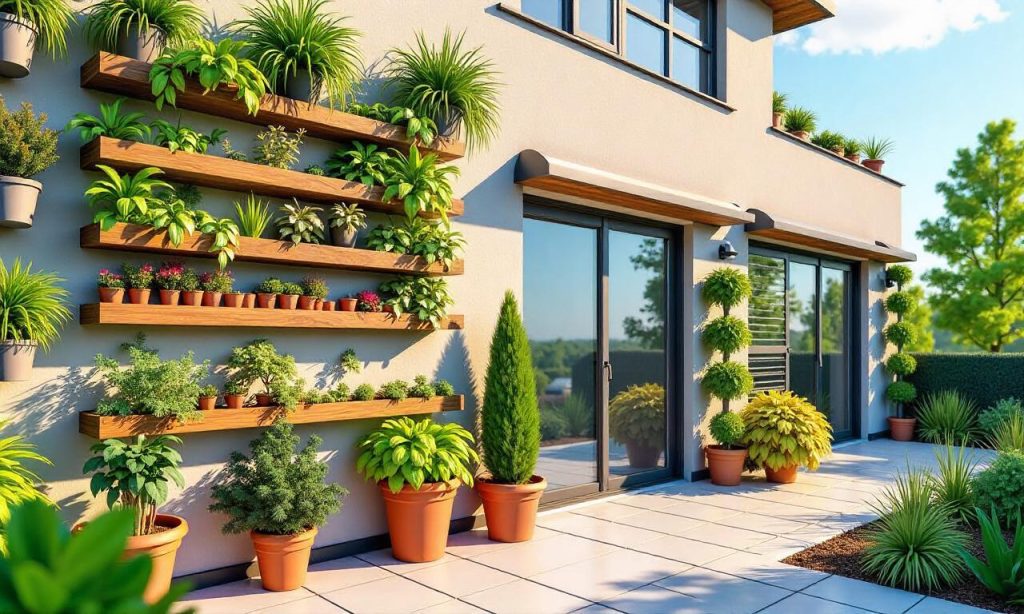
In urban areas where real estate is limited and gardens are often small, vertical gardening has emerged as a game-changer for optimizing garden space. By utilizing space-efficient techniques, gardeners can grow more plants in less area, making it an ideal solution for balconies, patios, or even indoor spaces. Whether you’re a seasoned gardener or a beginner with limited room, strategies for maximizing garden space with vertical gardening can transform your small plot into a lush, productive oasis. This article explores effective vertical gardening strategies to help you make the most of your available space while enjoying the benefits of fresh produce, vibrant flowers, and sustainable living.
The Benefits of Vertical Gardening
Vertical gardening offers a range of advantages that go beyond simply saving space. One of the most significant benefits is the ability to grow more plants in a smaller footprint. Traditional horizontal gardening requires a flat area, which can be a challenge in tight spaces. By contrast, vertical gardening allows you to stack plants upward, reducing the need for extensive ground space. This method is particularly beneficial for urban dwellers who may have limited access to large gardens but still want to cultivate a variety of plants.
Another key advantage of vertical gardening is improved air circulation. When plants are arranged vertically, there’s less risk of soil-borne diseases spreading, as the leaves are more exposed to airflow. This can lead to healthier plant growth and fewer pest problems. Additionally, vertical structures can help retain moisture in the soil, reducing the frequency of watering. For example, trellises and wall planters can act as natural barriers, preventing water from evaporating too quickly.
Moreover, vertical gardening can enhance the visual appeal of your outdoor space. Instead of a flat garden bed, you can create a dynamic, layered landscape that adds depth and interest. This is especially useful for those with small yards or who want to incorporate greenery into a compact garden without overcrowding. The aesthetic value of vertical gardens can also be tailored to fit different styles, from rustic to modern, making them a versatile option for any setting.
Choosing the Right Structures for Vertical Gardening
Selecting the appropriate structure is crucial to the success of your vertical gardening strategies. The right support system ensures that your plants grow properly and that your garden remains organized and functional. One popular option is trellises, which are ideal for climbing plants like tomatoes, beans, or cucumbers. Trellises can be made from various materials such as wood, metal, or plastic, and they come in different designs to suit your garden’s needs.
For space-maximizing purposes, wall planters are an excellent choice. These can be mounted directly on walls, allowing you to grow herbs, succulents, or small flowers without taking up ground space. Hanging baskets are another effective vertical gardening structure, especially for lightweight plants like ivy, petunias, or violets. They can be suspended from balconies, porches, or even ceilings, creating a vertical display that adds charm to any outdoor area.
If you’re looking for a compact garden solution, vertical planters or modular systems might be the way to go. These are stackable containers that can be arranged in a column, perfect for growing leafy greens, strawberries, or small vegetables. For those with limited sunlight, self-watering towers or indoor vertical gardens can provide a sustainable way to grow plants year-round.
Selecting the Best Plants for Vertical Gardens
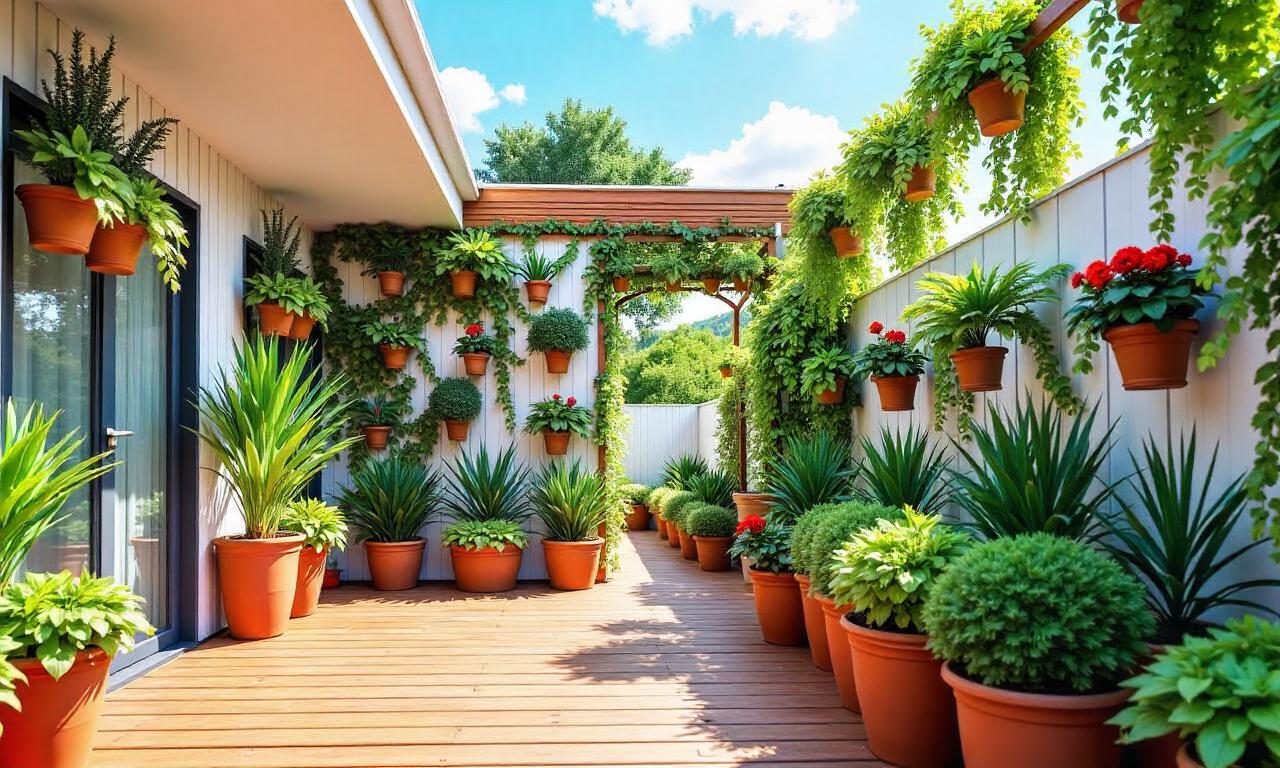
The success of your vertical garden depends largely on the plants you choose. Not all plants are suited for vertical growth, so it’s essential to select species that thrive in this type of setup. Climbing plants such as peas, beans, and grapes are naturally suited for vertical gardening, as they can easily wrap around supports like trellises or pockets. These plants not only save space but also create a beautiful, living wall.
For space-efficient gardens, compact plants are a great option. Varieties like dwarf tomatoes, cherry peppers, or dwarf shrubs can be grown in wall planters or vertical containers without requiring much height. These plants are ideal for smaller spaces where you want to maximize productivity without overcrowding. Additionally, herbs such as basil, rosemary, or thyme can be grown vertically, providing fresh flavors for your kitchen while saving floor space.
Companion planting is another vertical gardening strategy that can enhance your garden’s health and yield. By pairing plants that benefit each other, you can create a more balanced ecosystem. For example, marigolds can be planted near vegetables to deter pests, while peppers and eggplants can grow together in a compact garden setup. This technique not only saves space but also improves plant growth and reduces the need for pesticides.
Maintaining a Thriving Vertical Garden
Once your vertical garden is set up, proper maintenance is essential to ensure its long-term success. Regular watering is critical, as plants in vertical systems may require more frequent attention due to their exposure to sunlight and wind. Drip irrigation systems or self-watering containers can help automate this process, saving time while keeping your plants hydrated.
Pruning is another important task that should not be overlooked. By trimming dead or overgrown branches, you encourage new growth and prevent plants from becoming too dense. This is particularly useful for climbing plants, which can quickly take over a vertical garden if left unchecked. Fertilizing your plants regularly will also ensure they receive the nutrients they need to thrive. Choose a space-efficient fertilizer that is easy to apply, such as slow-release granules or liquid feeds. Pest control is a key aspect of vertical gardening strategies. Since plants are closer together in a vertical setup, pests can spread more easily. Regular inspections and the use of natural deterrents like neem oil or insect-repelling herbs can help keep your garden healthy. Additionally, vertical gardening allows for better monitoring of plants, making it easier to spot and address issues early.
Conclusion
Vertical gardening strategies offer a practical and innovative way to maximize garden space in both urban and rural settings. By incorporating strategies for maximizing garden space with vertical gardening, you can grow a wider variety of plants in a smaller area, improve air circulation, and enhance the visual appeal of your outdoor space. From trellises and wall planters to compact plants and companion planting, there are numerous options to suit different needs and preferences.
Regular maintenance ensures that your vertical garden remains productive and healthy, while space-efficient techniques like drip irrigation and pruning help streamline care. Whether you’re looking to grow vegetables, flowers, or herbs, vertical gardening provides a sustainable solution that adapts to your available space. With the right approach, you can turn limited garden space into a lush, thriving environment that brings both beauty and bounty to your home.
By implementing these vertical gardening strategies, you’ll not only optimize your garden space but also contribute to a more eco-friendly lifestyle. As the demand for sustainable gardening grows, maximizing garden space with vertical gardening is a smart investment in the future of your green space.
