
How to Design a Functional Living Room Layout for Maximum Comfort and Efficiency
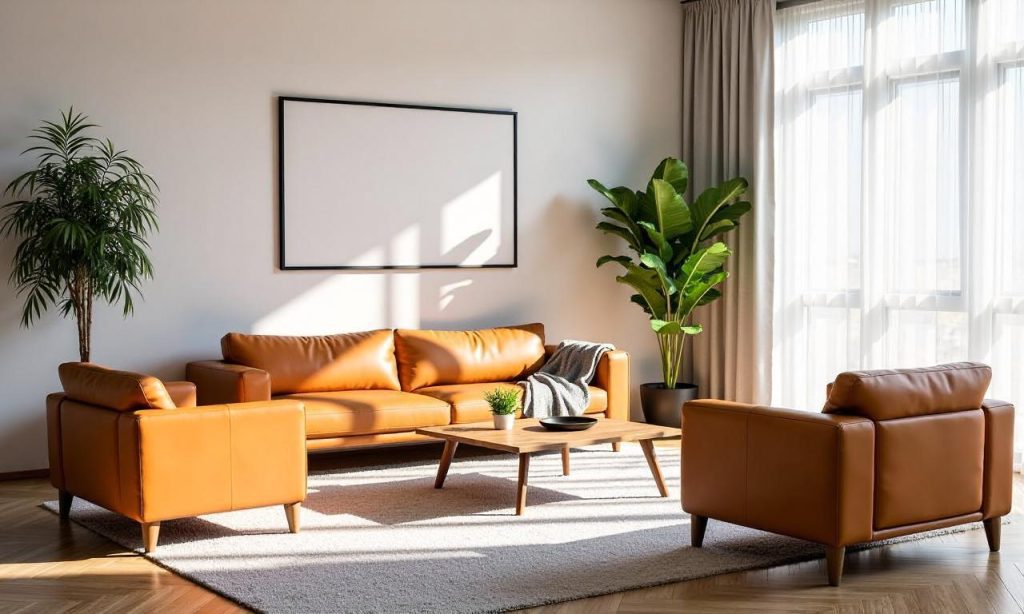
The living room is often the heart of a home, serving as a space for relaxation, entertainment, and social gatherings. A well-designed layout not only enhances the aesthetic appeal of the room but also ensures comfort and efficiency for its occupants. Whether you’re hosting guests or enjoying quiet evenings at home, the way you arrange furniture and plan the space can significantly impact daily usability. In this article, we’ll explore how to design a functional living room layout that maximizes both comfort and efficiency, offering practical tips and strategies for creating a space that meets your needs. By focusing on organization, flow, and ergonomics, you can transform your living room into a versatile and inviting area that supports your lifestyle.
Assessing Your Space and Needs
Before diving into how to design a functional living room layout, it’s essential to evaluate the room’s dimensions and how it’s used. Start by measuring the length, width, and height of the room to understand the available space. This step helps you determine the maximum amount of furniture you can fit without overcrowding the area. Additionally, consider the primary functions of the space. Is it a place for entertaining, reading, or working? Different activities require different setups, so identifying your needs will guide the design process.
Once you have a clear idea of the room’s size and purpose, think about traffic flow. A living room should allow for easy movement between zones, such as from the seating area to the coffee table or between the room and other parts of the house. Obstacles like oversized furniture or cluttered pathways can disrupt this flow, making the space feel cramped or inefficient. To ensure comfort, create a layout that accommodates both social interactions and personal space. For example, a family living room might need a central gathering spot surrounded by seating, while a more private space could prioritize individual comfort with designated areas for reading or meditation.
Another important factor is the natural light and window placement. Positioning furniture near windows can make the room feel brighter and more open, but avoid blocking light sources. If the room is on the north side of the house, it might need additional lighting to create a warm atmosphere. On the other hand, a south-facing room with abundant sunlight might require shades or curtains to control brightness. By considering these elements, you’ll set a strong foundation for how to design a functional living room layout that adapts to your environment.
Planning the Layout Based on Room Shape
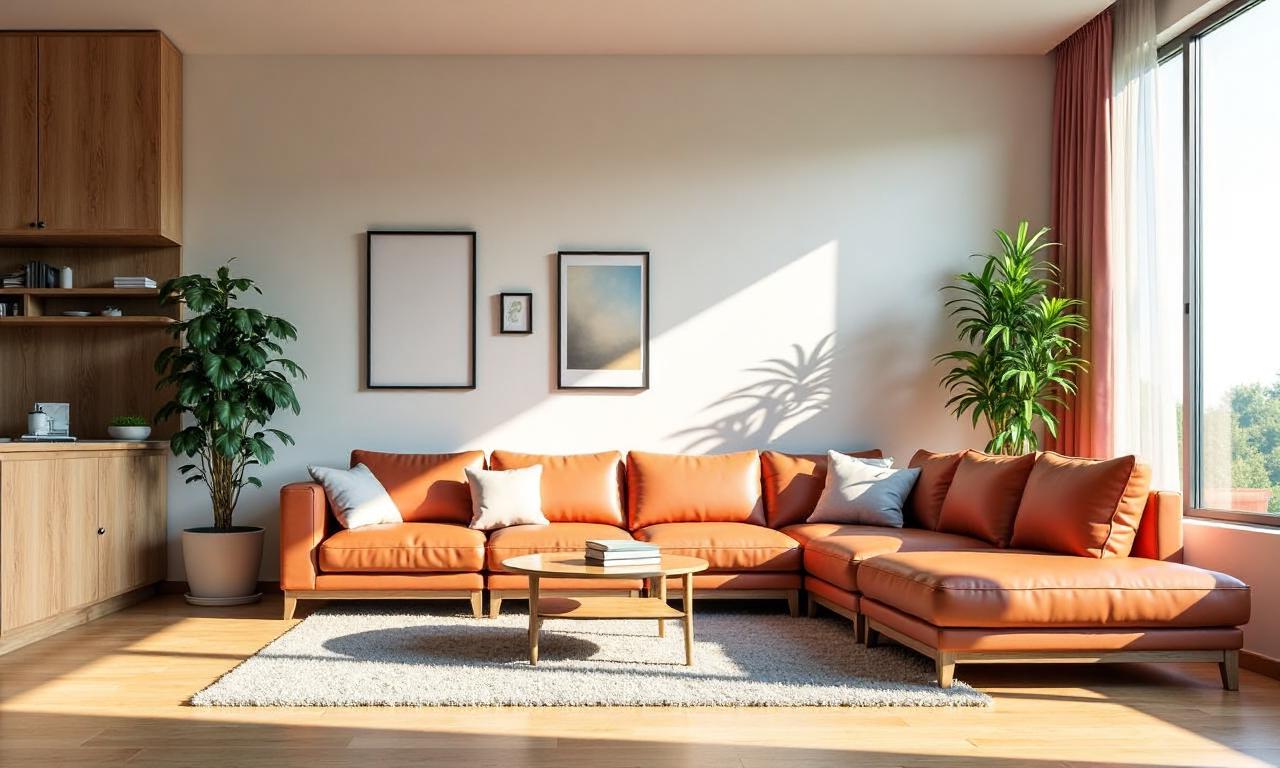
The shape of the room plays a crucial role in determining the optimal layout. For example, a rectangular room is easier to work with because it allows for a straight-line arrangement of furniture. However, an irregularly shaped room might require creative solutions to make the most of its unique geometry. If your living room has an L-shape, consider using a corner sofa to fill the space while maintaining an open feel. Alternatively, a circular or U-shaped layout can create a more intimate atmosphere, perfect for cozy conversations.
When planning the layout, prioritize the focal point of the room. This could be a fireplace, a TV, or a large window. Positioning the focal point in a central location ensures that it remains the visual and functional center of the space. Once the focal point is established, arrange furniture around it to support activity flow. For instance, if your focal point is a television, place the sofa and armchairs in a way that encourages group seating while leaving enough space for movement.
Measuring the room accurately is also key to maximizing efficiency. Use a grid system or floor plan to visualize how furniture will fit. This method helps you avoid last-minute adjustments that can lead to awkward placements. Remember to leave clear pathways between furniture pieces so that people can move around the room without obstruction. A minimum of 3 feet of space between major elements is ideal for comfortable traffic flow.
Choosing the Right Furniture and Layout Styles
Selecting the right furniture is an integral part of how to design a functional living room layout. Start by choosing a sofa that suits your space size and lifestyle. A sectional is great for larger rooms, while a two-seater or loveseat works better in smaller spaces. Ensure that the sofa is proportionate to the room and allows for easy access to other areas.
Next, consider the arrangement of seating. A traditional layout with a centered sofa and armchairs around it is ideal for social interaction, while a modern layout might use asymmetric design to create a more relaxed vibe. If you have a small living room, opt for multi-functional furniture, such as a sofa bed or storage ottomans, to save space. These pieces can double as additional seating or storage solutions without compromising the room’s aesthetic appeal.
Lighting is another critical element that affects comfort and efficiency. Natural light is best, but artificial lighting should be strategically placed to create a warm and inviting atmosphere. Use floor lamps, table lamps, or wall sconces to add soft illumination without overwhelming the space. A central lighting fixture, such as a chandelier, can highlight the focal point while providing adequate illumination for activities like reading or watching TV.
Creating a Harmonious and Efficient Space
A functional living room layout should balance aesthetics and practicality. Start by defining zones within the room to cater to different activities. For example, designate a reading nook near a window with a comfortable chair and a small table, while creating a social area with a coffee table and seating arrangement. These zones help optimize efficiency by reducing clutter and confusion in the space. Color and texture also play a role in how to design a functional living room layout. Light, neutral colors create a sense of openness, while darker tones add depth and coziness. Mixing textures, such as soft fabrics and hardwood surfaces, can enhance the room’s visual interest without sacrificing functionality. Additionally, decorative elements like artwork and plants can add personality while maintaining aesthetic harmony. Storage solutions are essential for keeping the space organized. Incorporate built-in shelves, cabinets, or couches with storage to maximize efficiency. These elements help reduce clutter and keep the room looking clean. For small spaces, use wall-mounted storage or under-seat storage to save floor space. A well-organized room not only looks better but also improves comfort by allowing easy access to items.
Final Touches and Adjustments
Once the basic layout is in place, add final touches to enhance comfort and efficiency. Personalized decor can transform the space into a true reflection of your style. Use artwork, curtains, or throws to add character while maintaining a cohesive design. However, avoid over-decorating, which can make the room feel cluttered. Lighting adjustments are also important. Consider using dimmer switches or smart lighting systems to control the ambiance of the room. These features allow you to customize lighting for different activities, such as relaxing or entertaining. Additionally, mirrors can be used to reflect light and make the room feel larger, which is especially useful in small spaces. Testing the layout is a final step before finalizing the design. Walk through the room with friends or family to see how it feels in real-life scenarios. This step helps identify any awkward placements or flow issues that may have been overlooked. Make adjustments as needed to ensure comfort and efficiency. A well-thought-out layout can change the way you interact with your living room, making it a space that works for you.
Incorporating technology into the layout can also improve efficiency. Place speakers, smart TVs, and cable boxes in accessible locations to minimize clutter. Use wireless devices where possible to keep the space tidy. A technology-friendly layout ensures that modern conveniences are integrated seamlessly into the design.
Lastly, maintain flexibility in the layout to accommodate future changes. As needs evolve, the living room should be able to adapt. For example, a coffee table that doubles as a workspace or a sofa that can be rearranged for different activities. A flexible layout ensures that the space remains functional and comfortable for years to come.
By following these steps, you can create a living room that not only looks great but also serves your needs. A functional living room layout requires planning, attention to detail, and personalization. With careful consideration, you can transform your space into a comfortable and efficient environment that supports your daily activities and lifestyle.
The process of how to design a functional living room layout is more than just arranging furniture—it’s about creating a space that invites comfort and supports efficiency. By focusing on space assessment, furniture selection, traffic flow, and lighting, you can maximize the room’s potential. A well-designed layout allows for easy movement, comfortable seating, and practical storage, making your living room a true sanctuary.
Adding Personal Touches for a Unique Space
Personal touches can elevate the design of your living room, making it a unique reflection of your personality. Consider adding artwork that resonates with you or decorating with family photos to create a sense of warmth. These elements add character without compromising functionality. Textiles are another way to personalize the space. Use throw pillows, blankets, and area rugs to add texture and comfort. A soft, neutral rug can enhance the room’s coziness, while a bold pattern can create visual interest. Lighting choices also contribute to the overall ambiance, so select fixtures that match your style and serve a practical purpose. Greenery is a simple yet effective way to add life to the room. Place plants on shelves, side tables, or near windows to bring in natural elements. However, choose low-maintenance plants to avoid upkeep issues. A few strategically placed plants can improve air quality and create a peaceful atmosphere. Functional decor is another way to enhance both comfort and efficiency. Decorative baskets can store items while adding aesthetic value, and wall shelves can display items without taking up floor space. Furniture that serves multiple purposes, such as a coffee table with storage, can maximize efficiency in small rooms.
Ensuring Long-Term Comfort and Efficiency
A functional living room layout should be designed with long-term comfort and efficiency in mind. Regular maintenance and adjustments are necessary to keep the space up to date. For example, rearranging furniture periodically can prevent the room from feeling stagnant. Testing the layout with different configurations ensures that your needs remain met as lifestyle changes occur. Flexible seating arrangements are also key to long-term efficiency. A sofa that can be rearranged or removed for different activities allows for adaptability. Consider using floor cushions or recliners that can be easily moved without causing damage. A layout that can evolve with your family’s needs ensures that your living room remains functional for years to come. Incorporating smart technology can enhance efficiency even further. Use smart speakers or lighting systems to control music and ambiance with minimal effort. These technological additions can improve comfort without compromising the room’s design. A living room that adapts to modern conveniences ensures that your space stays relevant and comfortable.
Conclusion
Designing a functional living room layout is a comprehensive process that requires planning, attention to detail, and personalization. By assessing the space, choosing the right furniture, optimizing traffic flow, and enhancing lighting, you can create a living room that meets your needs. A well-designed layout not only improves comfort but also maximizes efficiency, making the space versatile and inviting.
Remember that a functional living room layout should balance aesthetics with practicality. Personal touches like decorative elements and textiles add character to the space, while storage solutions and flexible furniture ensure long-term usability. With careful planning, you can transform your living room into a sanctuary that supports your lifestyle. Whether you’re relaxing, socializing, or working, a well-designed layout makes every **moment in the space more
