
Smart Home Design Ideas for Small Apartments
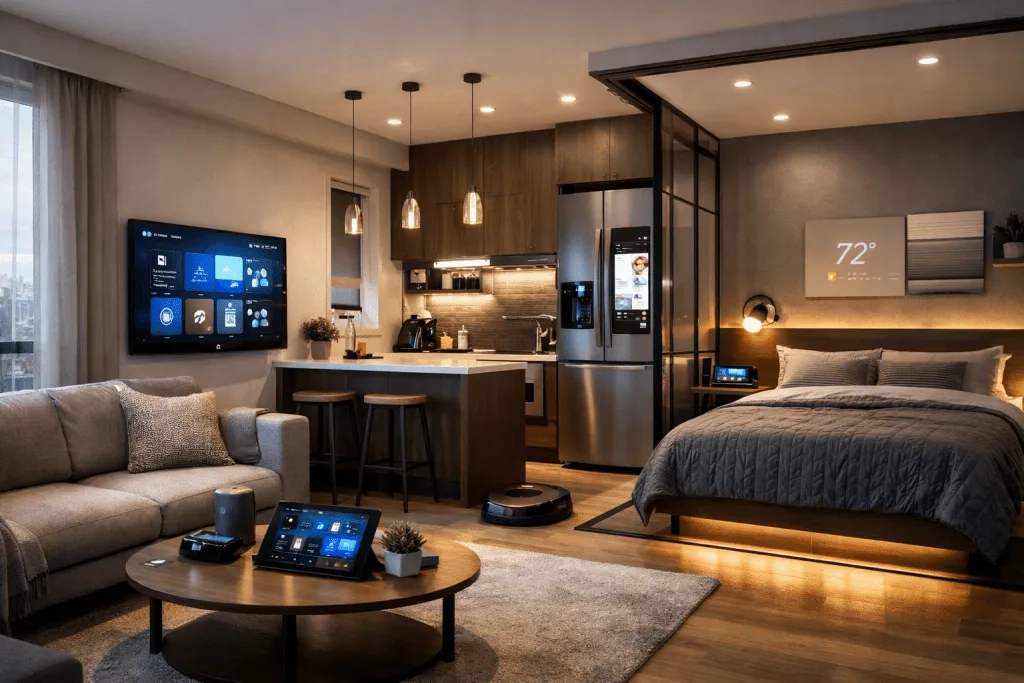
Living in a compact space does not mean sacrificing comfort, style, or functionality. The right home design ideas for small apartments focus on maximizing every square meter while maintaining visual balance and daily practicality. Smart design is less about adding more and more about choosing better—better layouts, better storage, and better lighting. With thoughtful planning, even a studio can feel open, organized, and refined.
Small apartments demand solutions that combine aesthetics and efficiency. Every piece of furniture, every wall, and every corner must serve a purpose. The following strategies outline practical and adaptable home design ideas for small apartments that enhance both livability and visual appeal.
Smart Layout Planning for Maximum Space Efficiency
The foundation of effective small-space design is layout optimization. Before selecting furniture or decor, analyze movement patterns within the apartment. Clear pathways and defined functional zones create the illusion of a larger interior.
Open-plan layouts often work best in small apartments. Removing unnecessary partitions allows light to travel freely and visually expands the space. If structural changes are not possible, use rugs, shelving, or lighting to define areas without building walls.
Zoning is critical in studio apartments. A sleeping area, workspace, and living zone can coexist in one room when clearly distinguished. Low-profile bookcases or open shelving units act as subtle dividers without blocking natural light.
Vertical space must be considered part of the layout. Tall cabinets, wall-mounted shelves, and hanging storage systems reduce floor clutter. Efficient layout planning remains one of the most impactful home design ideas for small apartments, as it directly affects comfort and functionality.
Multi-Functional Furniture and Built-In Solutions
Furniture selection determines whether a small apartment feels cramped or adaptable. Multi-functional furniture is essential. Sofa beds, extendable dining tables, and foldable desks reduce spatial demand without compromising usability.
Storage-integrated furniture increases efficiency. Beds with built-in drawers, ottomans with hidden compartments, and lift-top coffee tables provide concealed storage. These pieces eliminate the need for additional bulky cabinets.
Built-in solutions offer long-term optimization. Custom shelving around door frames, floor-to-ceiling wardrobes, and wall-integrated desks make use of overlooked areas. Built-ins also create a seamless appearance, reducing visual clutter.
Wall-mounted and fold-away designs are particularly effective. Murphy beds and drop-leaf tables can disappear when not in use. Among practical home design ideas for small apartments, flexible furniture remains one of the most transformative elements.
Light, Color, and Visual Expansion Techniques
Color and lighting significantly influence perceived space. Light, neutral tones such as white, beige, and soft gray reflect natural light and make interiors feel larger. Dark colors can still be used strategically as accents to add depth.
Mirrors amplify brightness and create visual continuity. Placing a large mirror opposite a window reflects daylight throughout the room. Mirrored furniture or closet doors can subtly enhance this effect without overwhelming the design.
Layered lighting improves both function and atmosphere. Combine ambient lighting with task lighting and accent lights to avoid shadows. Wall sconces and pendant lights free up floor and table space compared to traditional lamps.
Consistent flooring throughout the apartment avoids visual fragmentation. When the same material flows from room to room, the space feels unified and expansive. Light and color coordination are essential home design ideas for small apartments because they reshape perception without structural changes.
Vertical Storage and Hidden Organization Systems
Clutter is the primary enemy of small spaces. Efficient vertical storage transforms walls into practical storage zones. Floating shelves above doorways or near ceilings provide space for books, decor, or storage bins.
Modular storage systems adapt to changing needs. Adjustable shelving allows flexibility as possessions evolve. Pegboards in kitchens or workspaces organize tools and accessories while keeping them accessible.
Underutilized areas such as under beds, behind doors, and inside cabinet doors offer hidden storage potential. Slim racks for cleaning supplies or shoe organizers maximize narrow spaces. These micro-optimizations collectively create meaningful improvements.
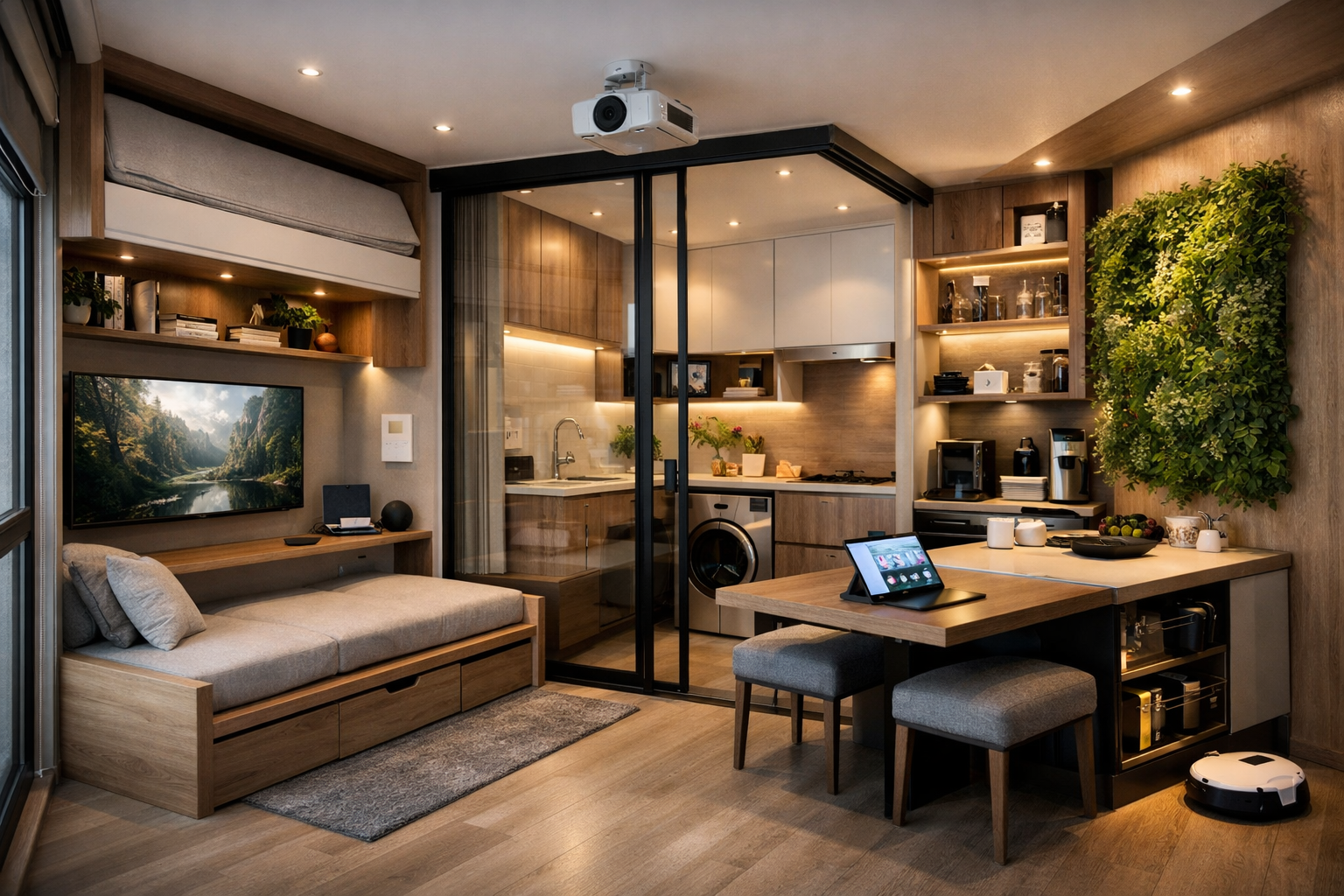
Closet organization systems also matter. Dividers, hanging organizers, and stackable containers reduce wasted vertical space. Among functional home design ideas for small apartments, structured storage ensures long-term order rather than temporary solutions.
Smart Technology and Compact Innovations
Modern small apartments benefit from integrated smart home technology. Compact smart thermostats, lighting systems, and voice-controlled assistants reduce the need for physical switches and controls. Minimal hardware contributes to cleaner wall surfaces.
Wireless charging stations and hidden cable management systems eliminate visual distractions. Mounting televisions on walls and using concealed wiring maintains a streamlined aesthetic. Clean surfaces enhance the sense of openness.
Compact appliances are increasingly efficient and space-saving. Slim refrigerators, two-in-one washer-dryer units, and induction cooktops reduce footprint without reducing functionality. Appliance selection must prioritize size-to-performance ratio.
Automation also improves comfort in limited spaces. Motorized blinds, smart lighting schedules, and climate control systems simplify daily routines. Incorporating technology into home design ideas for small apartments enhances usability without adding bulk.
Personalization Without Overcrowding
A small apartment should still reflect personality. The key is selective decoration. Instead of multiple small decorative items, choose one or two statement pieces that anchor the room.
Wall art can be impactful without consuming floor space. A gallery wall arranged with consistent frames adds character while maintaining structure. Floating shelves can display curated objects without overwhelming surfaces.
Textiles contribute warmth and identity. Layered cushions, throws, and area rugs introduce texture and color without structural change. Choose patterns carefully to avoid visual chaos in confined areas.
Plants add vitality and improve air quality. Hanging planters or wall-mounted greenery preserve floor area. Balanced personalization completes effective home design ideas for small apartments, ensuring the space feels intentional rather than crowded.
Conclusion
Effective small-apartment design prioritizes efficiency, flexibility, and clarity. From optimized layouts and multi-functional furniture to strategic lighting and vertical storage, each decision contributes to a cohesive and spacious environment. Well-executed home design ideas for small apartments transform limited square footage into a functional, comfortable, and visually refined living space.
FAQ
Q: What is the best layout for a small apartment? A: An open layout with clearly defined zones for living, sleeping, and working maximizes flow and reduces visual clutter.
Q: How can I make my small apartment look bigger? A: Use light colors, mirrors, consistent flooring, and layered lighting to enhance brightness and spatial perception.
Q: What type of furniture works best in small apartments? A: Multi-functional and storage-integrated furniture such as sofa beds, foldable tables, and built-in units works best.
Q: How do I add storage without overcrowding the space? A: Utilize vertical storage, hidden compartments, and underutilized areas like under beds and behind doors.
Q: Are smart home features useful in small apartments? A: Yes, compact smart devices reduce clutter, improve efficiency, and enhance comfort without occupying additional space.
