
Green Initiatives for Schools: Practical Guide
Green Initiatives for Schools: Practical Guide
As the world becomes increasingly aware of the environmental challenges we face, more institutions, including schools, are taking steps to reduce their ecological footprint. Green initiatives for schools are practical efforts to create sustainable environments that promote environmental responsibility. These initiatives are not only beneficial for the planet but also provide students with opportunities to learn about sustainability firsthand.
Why Green Initiatives Matter for Schools
Implementing green initiatives for schools is essential because schools are significant contributors to waste, energy consumption, and water usage. By adopting eco-friendly practices, schools can reduce their environmental impact while fostering a sense of responsibility among students. These efforts can lead to long-term cost savings, improved health, and a better learning environment.
Moreover, integrating sustainability into the curriculum allows students to engage with real-world environmental issues. Schools become living laboratories where students actively participate in shaping a more sustainable future.
Sustainable Energy Solutions in Schools
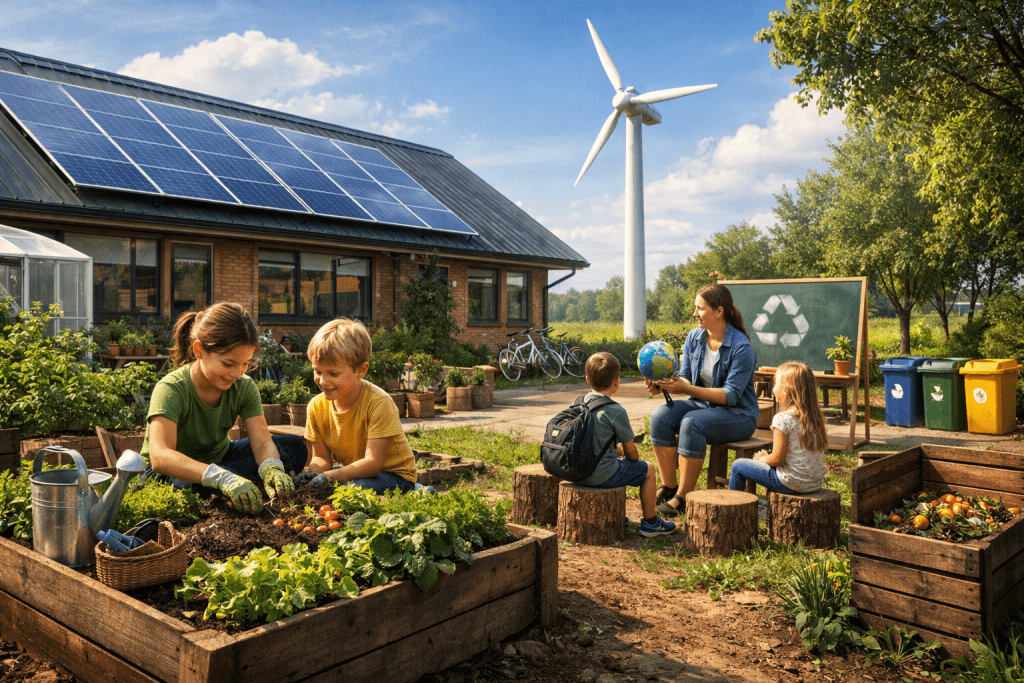
One of the most impactful green initiatives for schools is the adoption of sustainable energy solutions. Schools can significantly reduce their carbon footprint by transitioning to renewable energy sources like solar or wind power. Installing solar panels is a common initiative that not only reduces electricity costs but also serves as a teaching tool for students, demonstrating the power of renewable energy.
Additionally, schools can invest in energy-efficient lighting systems, such as LED bulbs, and encourage the use of natural light wherever possible. These small changes can lead to significant energy savings and contribute to a greener school environment.
Waste Reduction and Recycling Programs
Waste reduction is another crucial aspect of green initiatives for schools. Schools generate a significant amount of waste, from food scraps to paper products. Implementing effective recycling programs can help divert waste from landfills and promote responsible waste management.
Setting up clearly marked recycling bins throughout the school is a simple yet effective way to encourage students and staff to recycle. Schools can also implement composting programs for food waste, reducing landfill contributions while producing valuable compost for gardening projects. Educating students about the importance of reducing, reusing, and recycling fosters a culture of sustainability that extends beyond the classroom.
Sustainable School Grounds and Landscaping
A school’s outdoor space offers numerous opportunities for green initiatives. Sustainable landscaping practices, such as planting native species, using drought-resistant plants, and minimizing the use of harmful pesticides, can help create an eco-friendly environment. These plants require less water and maintenance, reducing the school’s water consumption and carbon footprint.
Incorporating vegetable gardens or greenhouses into the school grounds not only enhances the aesthetic appeal but also provides students with hands-on experience in sustainable agriculture. This can be tied into science lessons, teaching students about ecosystems, food systems, and the importance of local, organic produce.
Water Conservation Strategies
Water conservation is another vital area for schools to focus on. Installing low-flow faucets and toilets, as well as rainwater harvesting systems, can significantly reduce water usage. Schools can also educate students about water conservation by implementing campaigns to raise awareness and promote responsible water use.
Water-saving initiatives not only help the environment but also reduce utility costs, which can be allocated to other important educational resources. Encouraging students to track their water usage and set goals for reduction can instill lasting habits of responsible water consumption.
Engaging the School Community in Green Initiatives
Successful green initiatives for schools rely on the active participation of the entire school community, including students, teachers, staff, and parents. Schools can create green teams or sustainability committees to oversee and implement these initiatives. These groups can organize events like Earth Day celebrations, green challenges, or tree planting days to raise awareness and involve the wider community in sustainability efforts.
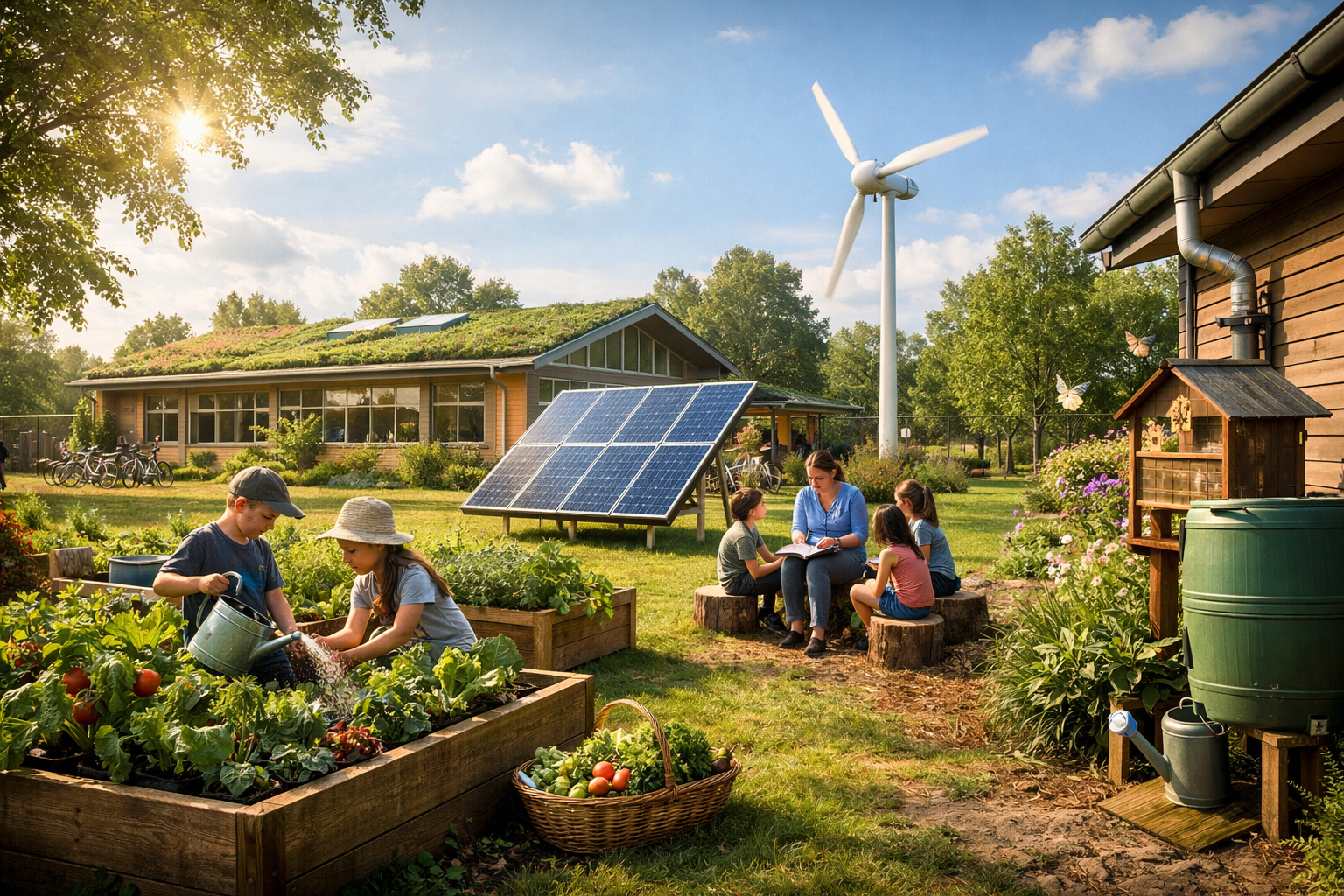
Incorporating sustainability into the curriculum, such as offering courses or projects related to environmental science, can also empower students to take ownership of their green initiatives. When students see the direct impact of their actions on the environment, they become more committed to making lasting changes.
Conclusion
Adopting green initiatives for schools is a powerful way to reduce environmental impact, promote sustainability, and engage students in meaningful learning experiences. From renewable energy solutions to waste reduction and water conservation, schools can make a significant difference in their ecological footprint. These initiatives not only benefit the planet but also help cultivate environmentally conscious citizens who will carry these values into the future.
FAQ
Q: What are some simple green initiatives for schools?
A: Simple initiatives include setting up recycling programs, using energy-efficient lighting, reducing paper usage, and promoting water conservation practices like low-flow faucets.
Q: How can schools save money through green initiatives?
A: Schools can save money by reducing energy consumption through solar panels, energy-efficient lighting, and water-saving devices. These changes can lead to lower utility bills in the long run.
Q: How can students get involved in green initiatives at school?
A: Students can join or form sustainability committees, participate in recycling programs, and get involved in gardening or composting projects. Schools can also encourage students to lead environmental awareness campaigns.
Q: What are the benefits of sustainable landscaping for schools?
A: Sustainable landscaping reduces water usage, lowers maintenance costs, and creates a healthier environment. It also provides opportunities for outdoor learning and enhances the school’s aesthetic appeal.
Q: How can green initiatives be integrated into the school curriculum?
A: Schools can integrate green initiatives into subjects like science, geography, and social studies, offering hands-on projects related to sustainability, such as gardening, renewable energy, and waste reduction.
