
Exclusive: Iranian authorities prepare for civil war scenario
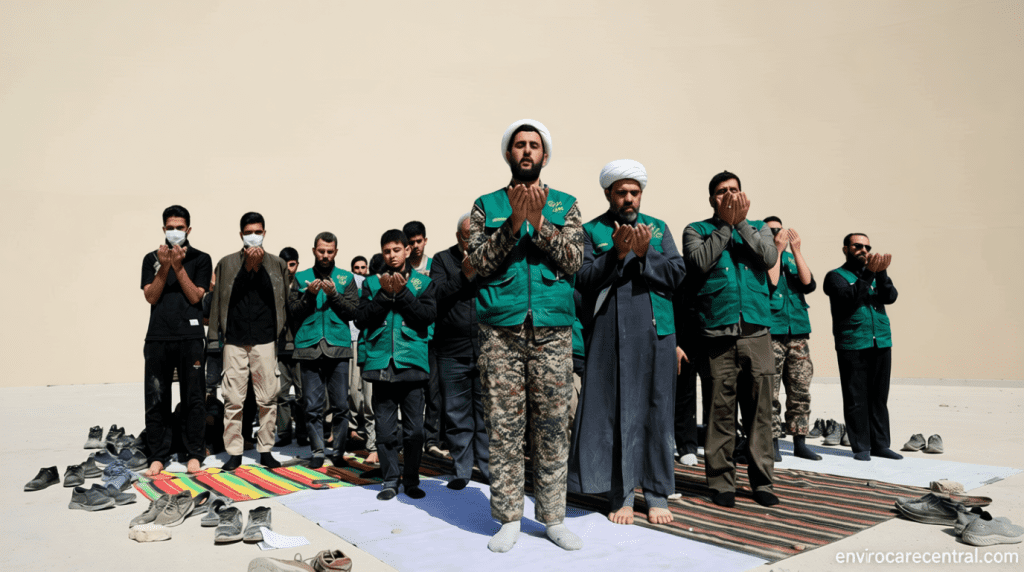
Exclusive: Iranian authorities prepare for civil war scenario
Iranian political and military figures are adjusting their strategies in anticipation of a potential internal conflict, as reported by sources close to the situation. These preparations come amid persistent attacks from Israel and the United States.
Following the 12-day war with Israel and the US in June, key security and military leaders assessed the likelihood of renewed hostilities. This analysis prompted the creation of contingency plans for a domestic conflict, according to insiders.
A confidential report from the Islamic Revolutionary Guard Corps (IRGC) indicates that after the June war, the country’s military and security forces gained greater autonomy in specific regions. The goal was to enable independent operations in case of communication breakdowns with the main command.
“It was clear that in the next war, the US and Israel would employ the same tactics used in Iraq and Syria,” said a source within the IRGC. “During the 12-day conflict, they realized we could retaliate with nationwide missile capabilities.”
Under this strategy, command centers were established in key provinces, and ground forces were deployed to areas deemed high-risk. The focus included Kurdish regions, where armed groups in Iraq are expected to launch attacks with US and Israeli backing.
Ali Larijani, secretary of the Supreme National Security Council, issued a warning in December: “Separatist groups should not think they will have an opportunity to act. We will not tolerate them.” This statement reflects the Iranian government’s readiness for regional unrest.
Iranian Kurdish factions based in Iraqi Kurdistan have formed a unified alliance, signaling their intent to challenge the regime. This move follows reported US efforts to engage these groups in a ground conflict against Iranian forces.
Strikes by the US and Israel since February have targeted Kurdish cities, including Marivan, Sanandaj, Saqqez, Baneh, Sarvabad, and Kermanshah. These attacks have focused not only on military installations but also on civilian infrastructure and local government offices.
In response, Iran launched missile strikes against Kurdish armed group headquarters in Iraqi Kurdistan. Similar concerns exist in other regions, such as Khuzestan in the southwest, where separatist groups like the Ahwaziyya have grown active. The province’s oil wealth and strategic position make it a focal point for unrest.
The southeast, particularly Sistan and Baluchestan, is also seen as a vulnerable area. This region, home to Iran’s poorest population, has witnessed frequent attacks by local armed groups on both military and civilian targets.
