
Polish president Nawrocki vetoes law unlocking €44bn in EU defence loans
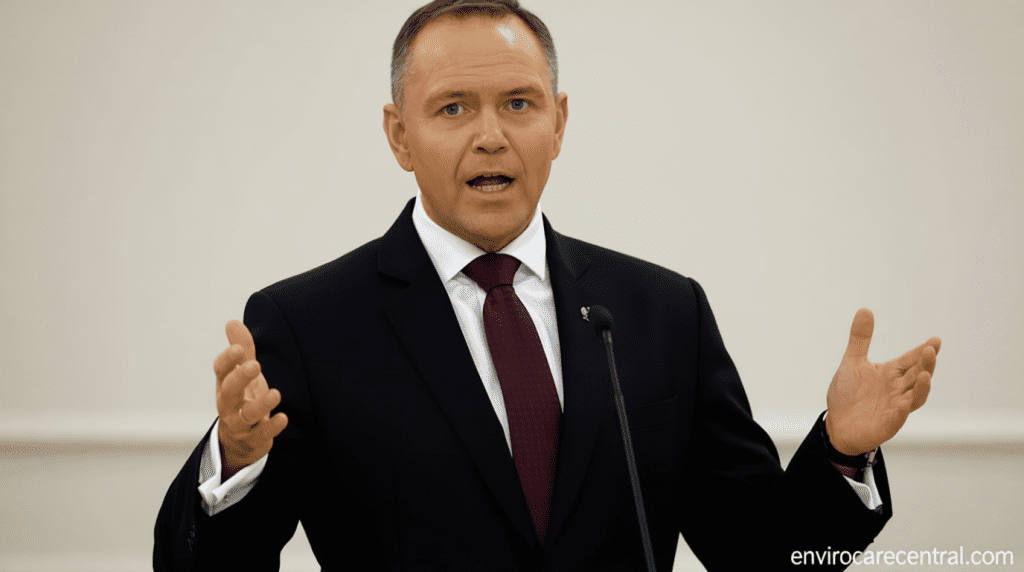
Polish President Nawrocki Vetoes Law Unlocking €44bn in EU Defence Loans
Decision Sparks Debate Over National Sovereignty and Funding Strategies
President Karol Nawrocki of Poland has rejected a law that would have enabled the nation to secure nearly €44 billion in European Union defense loans. This move intensifies a conflict with Prime Minister Donald Tusk’s pro-EU coalition, which had championed the legislation to finance the country’s military modernization amid ongoing security challenges.
The proposed bill aimed to tap into the EU’s Security Action for Europe (SAFE) program, a €150 billion initiative designed to increase defense expenditures and enhance the continent’s military sector. Poland was positioned to receive approximately €43.7 billion in loans, making it the primary beneficiary of the scheme. Tusk’s government emphasized the financial benefits, stating the funds could accelerate border fortification and bolster domestic arms production.
Nawrocki, a member of the conservative opposition, opposed the legislation, arguing that EU loans risk deepening Poland’s reliance on Brussels. He proposed an alternative approach, advocating for the use of national resources, including earnings from central bank reserves, to fund defense projects. The president’s decision has drawn sharp criticism from his own government.
“The President lost his chance to act like a patriot,” said Prime Minister Donald Tusk, accusing Nawrocki of missing an opportunity to secure EU-backed financing for military upgrades. Tusk plans to convene a special cabinet meeting to present revised measures that still allow Poland to access SAFE funds.
Foreign Minister Radosław Sikorski echoed Tusk’s concerns on social media, warning that blocking the EU mechanism could hinder Poland’s ability to strengthen its defense posture. Meanwhile, Defence Minister Władysław Kosiniak-Kamysz defended the government’s stance, asserting that EU loans would permit expanded military spending without overburdening the national budget.
The disagreement highlights a broader tension between Poland’s domestic financial policies and its integration with EU defense frameworks. With the debate continuing, the nation faces a critical decision on how to balance sovereignty with security investment.
