
War, oppression and fear: In Iran, traumas are accumulating
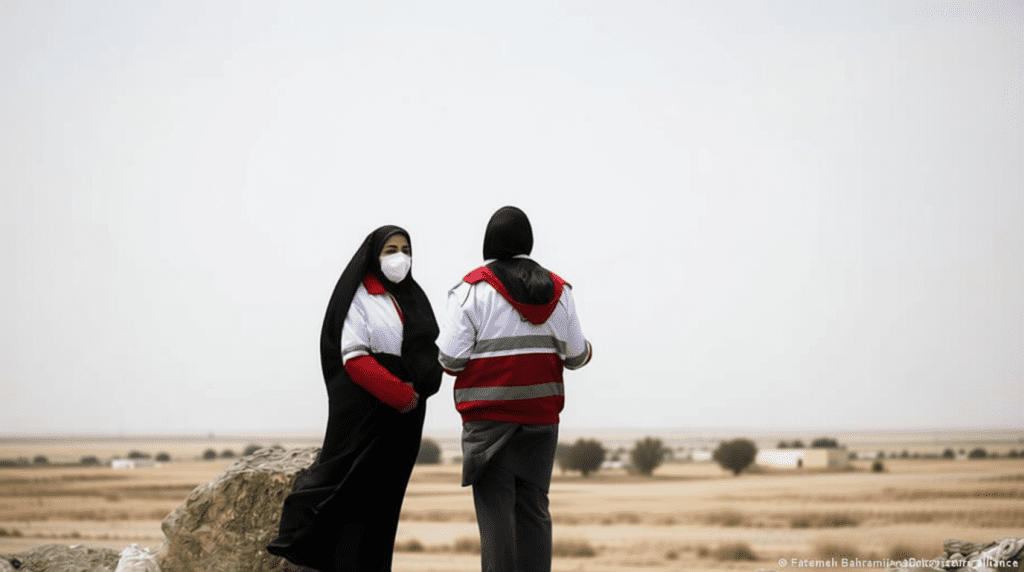
War, Oppression, and Fear: Traumas Are Accumulating in Iran
Iranians are grappling with a growing sense of dread, fueled by relentless bombings, authoritarian control, and the ever-present specter of danger. The country has become a battleground for persistent trauma, with its citizens enduring cycles of violence and repression. As tensions escalate, the psychological burden on the population deepens, raising questions about how individuals cope with prolonged stress.
The conflict has intensified as attacks from Israel and the U.S. target key areas in Tehran and beyond. Just prior to the war, public demonstrations erupted against the theocratic regime, but the government responded with severe crackdowns. These protests, driven by demands for freedom and democratic reform, led to the loss of countless lives. Now, Iranians navigate daily life under strict rules that define their societal roles, including regulations on women’s attire and public behavior.
Psychological Toll of Prolonged Stress
Psychologist Dana Churbaji, who studies the mental health effects of war and displacement at Germany’s University of Münster, highlights the impact of chronic exposure to violence. “Mental health conditions—especially PTSD, anxiety, and depression—are more common in those subjected to ongoing trauma,” she explains. This constant stress reshapes people’s outlook, making them question their safety and sense of security.
“The incidence of mental health conditions—particularly post-traumatic stress disorder, anxiety disorders, and depression—is higher among people who are chronically exposed to violence,” says Dana Churbaji.
When basic needs like warmth, food, or digital access are compromised, individuals face heightened stress. For example, power outages and shortages of essentials can transform minor disputes into major conflicts, often leading to internalized anger or emotional strain. “Social relationships are the primary safeguard against trauma,” Churbaji adds. “Those without strong support networks are more vulnerable to developing PTSD.”
Churbaji also notes that the effects of trauma differ based on its nature. A single event, like an assault, might not trigger lasting psychological issues, but prolonged exposure to war and political persecution—such as the systematic suppression of dissent in Iran—creates a more severe impact. “People in this environment experience a constant fight-or-flight state,” she explains. “This chronic stress can be more damaging than isolated traumatic incidents.”
Clinical psychologist Rita Rosner, from the Catholic University of Eichstätt-Ingolstadt, echoes this sentiment. “Iranians are living in a long-term traumatic situation, where political oppression is intertwined with daily life,” she says. “The cumulative effect of such stress weakens both individual resilience and societal stability.”
Physical and Emotional Manifestations
In settings where discussing mental health is discouraged, stress often shows itself in physical symptoms. Headaches, back pain, menstrual discomfort, and fatigue are common, according to Churbaji. These signs reflect the body’s response to unresolved emotional strain. Meanwhile, those with PTSD may exhibit behaviors like avoidance, hyperreactivity, or intrusive memories that replay traumatic events as if they are happening again.
“Survivor’s guilt is another hallmark,” Churbaji says. “Individuals may feel responsible for their own safety or that of others, even when they’ve endured hardship.” The prolonged nature of Iran’s crisis means many are not only surviving but also rebuilding, a process complicated by the persistent presence of trauma.
As the conflict continues, the question remains: How can people endure this unrelenting pressure? Churbaji suggests that stable social bonds and open dialogue are critical. “Without these, the risk of long-term psychological damage increases significantly,” she emphasizes. The struggle to maintain mental well-being in a nation defined by fear and control is becoming an urgent challenge.
Iran’s current situation underscores the complex interplay between external threats and internal oppression. Trauma, once a response to sudden danger, is now a daily reality, shaping the lives of millions and testing their capacity to recover.
