
5 Steps to Boost Home Energy Efficiency & Save Money
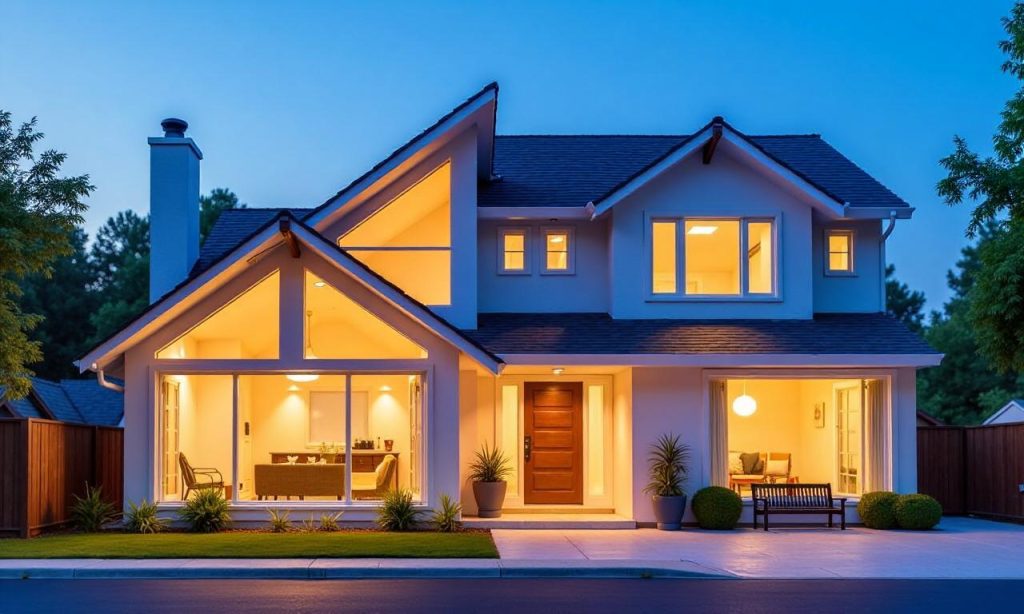
Boost Your Home’s Energy Efficiency with These 5 Simple Steps
Improving home energy efficiency is one of the most effective ways to reduce utility bills and lower your carbon footprint. Whether you’re looking to cut costs or contribute to environmental sustainability, steps to improve home energy efficiency can make a significant difference. By implementing smart strategies, homeowners can create a more comfortable living space while saving money over time. From upgrading insulation to adopting energy-saving habits, the journey to a more efficient home starts with small, actionable changes. Let’s explore five practical steps to enhance your home’s energy efficiency and enjoy long-term financial and environmental benefits.
Step 1: Insulate Your Home Properly
Proper insulation is the foundation of home energy efficiency. It prevents heat from escaping in winter and entering in summer, reducing the need for heating and cooling systems to work overtime. Focus on key areas like walls, floors, attics, and windows, which are common sources of energy loss. Use high-quality materials such as fiberglass, foam, or cellulose, and ensure there are no gaps or cracks that allow air to seep through. A well-insulated home not only saves money but also enhances comfort, making this the first essential step to improve home energy efficiency.
Step 2: Upgrade to Energy-Efficient Appliances
Replacing outdated appliances with energy-efficient models can dramatically cut your energy use. Look for appliances with the ENERGY STAR label, which guarantees they meet strict efficiency standards. These appliances consume less electricity while maintaining performance, making them a smart investment for long-term savings. Even small upgrades, like switching to an energy-efficient refrigerator or washing machine, can add up to significant reductions in monthly bills. This is a key step to improve home energy efficiency that requires minimal effort but delivers major results.
Step 3: Optimize Lighting and Electrical Systems
Lighting accounts for a surprising portion of household energy use, so upgrading to LED bulbs is a simple yet impactful change. LEDs use up to 75% less energy than traditional incandescent bulbs and last much longer, reducing replacement costs over time. Additionally, install motion sensors or timers for outdoor lights to ensure they’re only on when needed. For larger energy savings, consider replacing old electrical systems with smart technology, such as programmable switches or energy monitors. These adjustments are among the most straightforward steps to improve home energy efficiency and can be done without major renovations.
Step 4: Use Smart Thermostats and HVAC Systems
Heating, ventilation, and air conditioning (HVAC) systems are responsible for a large share of energy consumption, so optimizing their performance is crucial. Smart thermostats allow you to control temperatures remotely and adjust settings based on your schedule, reducing unnecessary energy use. Pair this with regular maintenance, such as cleaning filters and checking for leaks, to ensure your HVAC system runs at peak efficiency. Even a few degrees of adjustment can lead to noticeable savings, making this a vital step to improve home energy efficiency.
Step 5: Seal Windows and Doors for Better Airflow
Air leaks around windows and doors can waste up to 25% of your home’s energy. Use weatherstripping or caulk to seal gaps, and install energy-efficient windows with double-glazed panes to minimize heat transfer. Doors should also be checked for proper alignment and insulation, especially if they’re frequently used. Adding draft stoppers or thermal curtains can further improve home energy efficiency by blocking cold drafts and retaining indoor warmth. This step ensures that your home stays comfortable without relying heavily on heating or cooling systems.
Additional Tips for Long-Term Energy Savings
Beyond the five main steps, there are other habits that contribute to home energy efficiency. For example, using programmable or smart devices for lighting and heating can automate energy-saving efforts. Also, consider unplugging electronics when not in use, as standby power drains energy unnecessarily. Additionally, energy-efficient landscaping, such as planting trees for shade, can reduce the need for artificial cooling. These supplementary strategies, while not as comprehensive as the primary steps, help reinforce a culture of energy-conscious living.
The Financial and Environmental Benefits of Efficiency
Investing in home energy efficiency not only reduces your electricity and gas bills but also increases your home’s resale value. Energy-efficient homes are more attractive to buyers and often command higher prices due to lower operating costs. Moreover, reducing energy consumption lowers greenhouse gas emissions, contributing to a healthier environment. Over time, the initial costs of upgrades like insulation or smart appliances are offset by ongoing savings. This makes home energy efficiency a win-win for both your wallet and the planet.
FAQ
Q: What are the most cost-effective steps to improve home energy efficiency? A: Upgrading insulation, switching to LED lighting, and using smart thermostats are among the most affordable and impactful steps to improve home energy efficiency. These changes require minimal investment but yield substantial long-term savings.
Q: How can I determine where my home is losing energy? A: Use a thermal imaging camera to detect air leaks, or conduct a simple blower door test. You can also inspect for drafts around windows, doors, and electrical outlets. These methods help identify problem areas before implementing improvements.
Q: Are energy-efficient appliances worth the investment? A: Yes. Energy-efficient appliances typically pay for themselves within a few years through lower utility bills. They also reduce environmental impact, making them a wise choice for both cost savings and sustainability.
Q: Can I improve home energy efficiency without major renovations? A: Absolutely. Small adjustments like sealing gaps, using LED bulbs, and optimizing thermostat settings can significantly boost efficiency. These steps to improve home energy efficiency are accessible and easy to implement.
Q: How long does it take to see results from these steps to improve home energy efficiency? A: You can notice immediate improvements, such as reduced drafts and lower energy bills. Over time, consistent efforts will lead to more noticeable savings and a more comfortable living environment.
