
US wants help to guard Strait of Hormuz, but EU is not keen
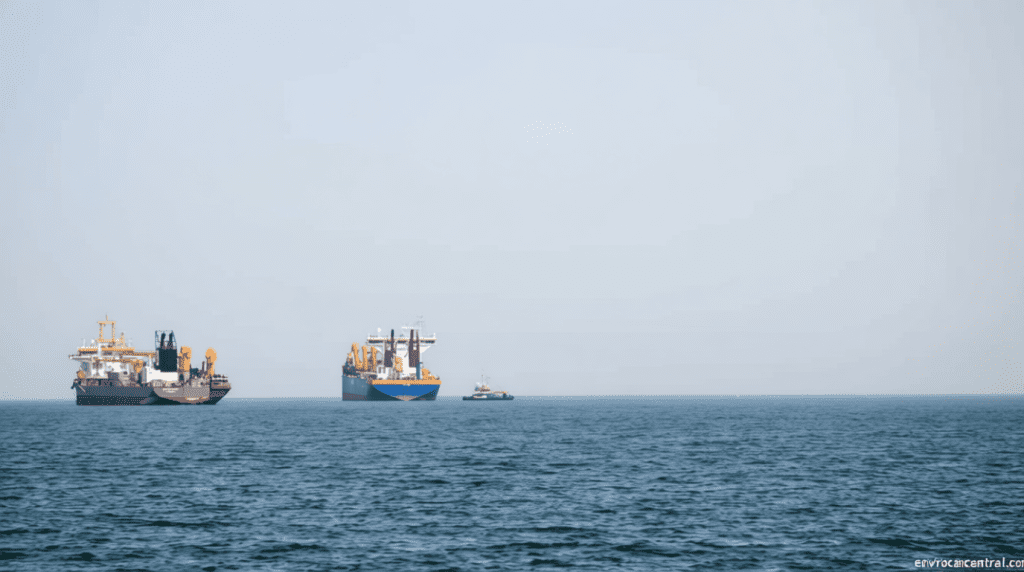
US Wants Help to Guard Strait of Hormuz, but EU is Not Keen
At today’s gathering of EU foreign affairs ministers in Brussels, US President Donald Trump emphasized the need for European allies to assist in securing the Strait of Hormuz, a vital maritime passage for global energy trade. However, the European Union appears hesitant to commit further resources to this task, with some nations showing reluctance to involve NATO in the operation.
Russia has capitalized on the surge in energy prices, which has strained relations between Europe and the US. While Trump pushed for European involvement in safeguarding the strait—where approximately 20% of the world’s crude oil transits—energy costs have risen across the continent, creating additional financial pressure on European countries. This has further complicated the already tense dynamic between Washington and Brussels.
European Reluctance and Strategic Concerns
Charles Hecker, an associate fellow at the Royal United Services Institute (RUSI), explained that European nations are wary of deploying military forces to the region. “They are reluctant to increase their exposure as potential targets for Iran,” he noted, citing the risk of escalation. EU foreign minister Kaja Kallass acknowledged the bloc’s interest in maintaining the strait’s open status but stated that there was no immediate eagerness to expand the EU’s maritime mission there.
“Europe is neither an oil nor a gas producer. For fossil fuels we are completely dependent on expensive and volatile imports,” said Ursula von der Leyen, the EU Commission President.
Since the conflict began, European taxpayers have spent an additional €3 billion on fossil fuel imports, according to von der Leyen. She highlighted the economic strain on the bloc, as rising energy prices have impacted consumers and industries alike. Despite this, the EU continues to explore ways to address the situation independently.
Trump’s Pressure and NATO’s Role
Trump has targeted key European allies, urging France and the UK to take part in securing the strait. However, Hecker believes this is part of a broader strategy to draw Europeans into the US-Israeli conflict with Iran. “The president is leveraging his influence to encourage more engagement,” he said, adding that the countries involved are not yet ready to commit to military efforts in the region.
France, on the other hand, has shown a more open attitude. President Emmanuel Macron suggested that his country might assist in protecting the strait once the conflict’s most intense phase subsides. Meanwhile, Germany’s Foreign Minister Johann Wadephul clarified that NATO’s involvement is not currently under consideration, stating that the bloc would address the issue if it were to be decided.
To view this video, please enable JavaScript and consider upgrading to a web browser that supports HTML5 video.
