
Iran threatens Gulf energy facilities after Israeli attack on its largest gasfield
Iran threatens Gulf energy facilities after Israeli attack on its largest gasfield
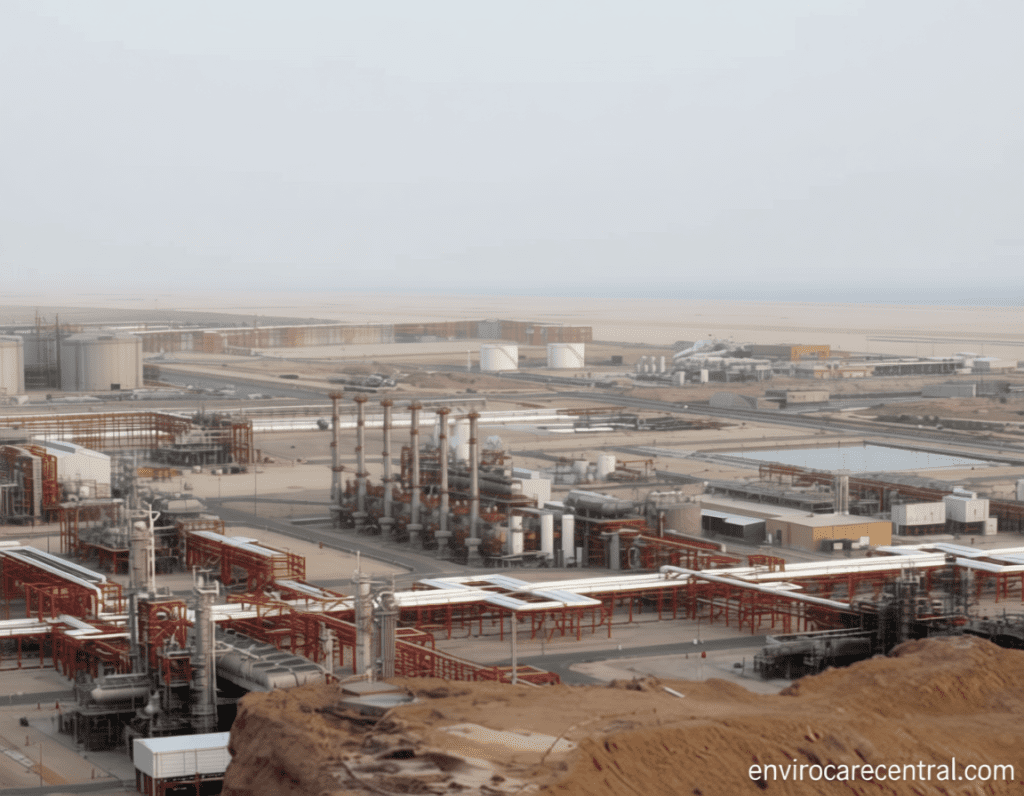
Iran has vowed to strike key energy sites across the Gulf in response to Israeli assaults on its major gas reserves, marking the first targeted strikes on its fossil fuel production since the conflict began. The Revolutionary Guards issued warnings of counterstrikes against multiple facilities in Saudi Arabia, the UAE, and Qatar, citing reports of missile attacks on the shared South Pars gasfield. This field, a critical global resource, is now under threat, according to state media, which claimed the strikes were conducted with US approval.
Global energy markets react to escalating tensions
The oil price surged toward $110 a barrel as fears of further disruptions to supply grew. Europe’s gas benchmark also rose sharply, climbing over 7.5% to exceed €55.50 per megawatt hour. The threat to Gulf infrastructure has intensified concerns over potential economic fallout, with Iran’s neighbors forced to reduce output due to damaged pipelines and storage capacity limits.
“These centers have become direct and legitimate targets and will be struck in the coming hours. All citizens, residents, and workers are urged to evacuate immediately,” warned Iran’s state media.
The US-Israeli military buildup was criticized by Eskandar Pasalar, the governor of Assaluyeh, who called it “political suicide.” He argued that the war’s focus had shifted to a “full-scale economic war.” A Qatari official, Majid al-Ansari, emphasized that attacking energy infrastructure jeopardizes global energy security and regional stability.
Strait of Hormuz and supply chain vulnerabilities
Iran’s control of the Strait of Hormuz has created a chokehold on oil exports, complicating global trade. Fossil fuel tankers have struggled to depart the Gulf since the start of the month, as Iranian forces seized the critical waterway. This has led to a sharp rise in oil prices, surpassing $116 a barrel early last week—the highest since May 2022.
Earlier in the war, Iranian strikes hit the UAE’s Shah natural gasfield, alongside Iraq’s Majnoon oilfield and Fujairah port. Daily exports from the region have plummeted by 60% compared to prewar levels, with the strait remaining a key bottleneck. Despite this, Iran continues to transport crude oil without interruption, threatening to ignite vessels from neighboring states.
