
Russian gas tanker drifting in the Mediterranean may explode, threatening environmental disaster
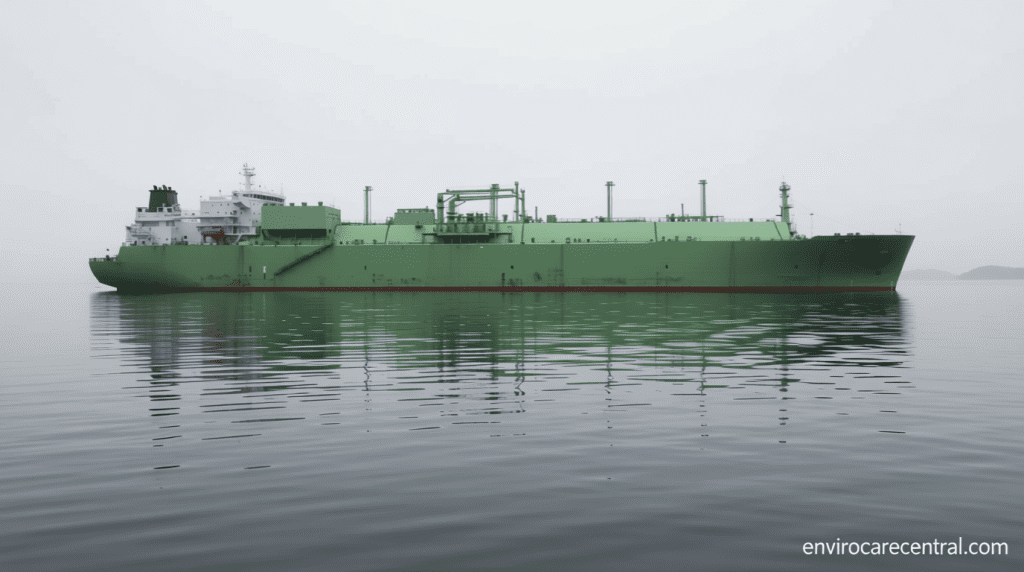
Russian Gas Tanker Drifting in Mediterranean Risks Explosion, Environmental Crisis
For nearly two weeks, the Russian gas tanker Arctic Metagaz has been adrift without control in the Mediterranean Sea, sparking escalating concern from nearby coastal nations and environmental groups. The ship, part of an officially sanctioned “shadow fleet,” suffered multiple blasts that left it vulnerable and afloat near the region’s shores.
Post-attack aerial images reveal a massive tear spanning dozens of meters at the waterline. The extent of the damage led Libyan officials to incorrectly classify the vessel as a wreck on March 4. The 277-meter tanker, its hull scorched by flames, lost direction following explosions on March 3. This left 30 crew members—predominantly Russian and Filipino nationals—stranded at sea.
Russian officials report ongoing sounds from within the ship, detected gas leaks, heightened movement, and sporadic fires in various sections. During the evacuation, 450 tonnes of fuel oil, 250 tonnes of diesel, and substantial natural gas reserves were still present in the vessel’s tanks, heightening the possibility of a catastrophic event.
AFP footage captured on Sunday depicts the tanker approximately 50 nautical miles southwest of Malta, with its bow and flanks clearly marked by fire damage. Environmental advocates have dubbed the Arctic Metagaz a “floating time bomb,” cautioning that any spill or detonation might inflict lasting harm on one of the Mediterranean’s most ecologically diverse regions.
“The situation is dire, and the risk of a major incident remains high,” said environmental experts, emphasizing the unpredictable nature of the compromised hull and ongoing internal activities.
European governments are likewise worried, with Italy, France, and seven additional EU nations submitting a unified request to the European Commission regarding an “urgent and severe threat” to the area. The ship is currently navigating between Malta and the Italian islands of Lampedusa and Linosa, staying within international waters, which complicates the issue of accountability for taking action.
Rescue operations are already underway in Malta, prepared to respond if the tanker enters the country’s territorial waters. Yet, the identity of the responsible party for decisive measures remains a subject of diplomatic contention. Maria Zakharova, spokesperson for Russia’s Foreign Ministry, stated that Moscow oversees the situation as the vessel’s flag state, though she pointed out that international protocols assign the duty of preventing environmental harm to coastal nations.
