
Iran says it will ‘irreversibly destroy’ Middle East infrastructure if US attacks energy sites
Iran says it will ‘irreversibly destroy’ Middle East infrastructure if US attacks energy sites
Iran’s escalation threat following US ultimatum
Tehran warned that it would permanently damage critical Middle Eastern infrastructure if the United States targeted its energy facilities, following Donald Trump’s assertion that Iran’s power plants would be completely destroyed unless the Strait of Hormuz was opened within two days. The threat came hours after Trump declared his intent to “obliterate” Iran’s power plants, setting a timeline for action.
Missile strikes on Israeli cities
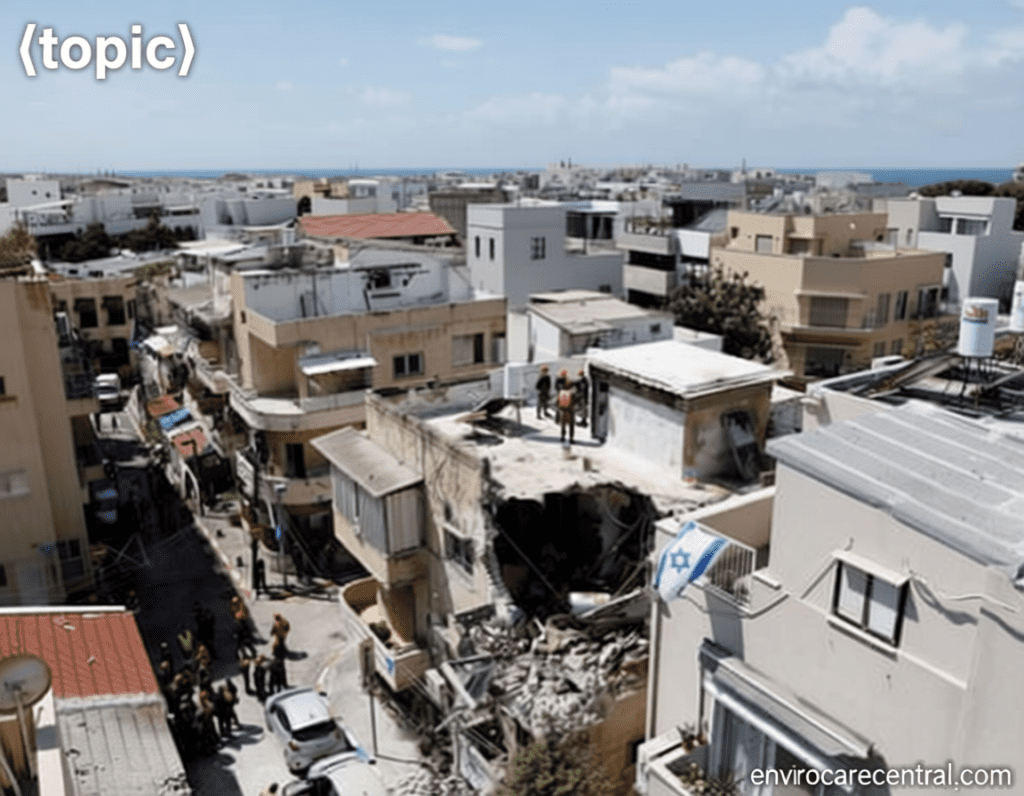
Iranian missiles struck two southern Israeli cities overnight, injuring dozens and causing significant damage to apartment buildings. These attacks signaled a possible escalation of hostilities in the Middle East, now in its fourth week. The incursions raised concerns about the region’s stability and the potential for wider conflict.
Iran’s strategic response to US threat
“Vital infrastructure as well as energy and oil infrastructure” across the Middle East would become “legitimate targets” following an attack on Iran’s own facilities, declared Mohammad Bagher Ghalibaf, speaker of Iran’s parliament. The Iranian military’s operational commander, Khatam al-Anbiya, added that if the US carried out its threat, the strait would be “completely closed” until Iranian power plants were rebuilt.
“We’re going after the regime. We’re going after the IRGC, this criminal gang,” said Benjamin Netanyahu, the Israeli prime minister, during a visit to Arad.
Regional impact and US pressure
Ali Mousavi, Iran’s representative to the International Maritime Organisation, stated the strait was open to all shipping except vessels tied to “Iran’s enemies,” with coordination possible for safe passage. However, Iranian attacks had already disrupted the narrow strait, which carries about a fifth of global oil and liquefied natural gas, exacerbating the worst oil crisis since the 1970s and pushing European gas prices up by 35%.
Escalation and casualties
Since February 28, over 2,000 people have died in attacks by the US and Israel on Iran, with Tehran retaliating by targeting Israel and Gulf states. Lebanon joined the conflict after Iran-backed Hezbollah launched strikes on Israeli territory. Air raid alarms echoed across Israel on Sunday morning, following overnight attacks on Arad and Dimona that injured scores.
Nuclear facilities and defensive challenges
Israel’s military confirmed it could not intercept the missiles that hit Dimona and Arad, the nearest cities to its Negev Desert nuclear center. The site, believed to house the Middle East’s sole nuclear arsenal, was targeted in retaliation for an earlier strike on Iran’s Natanz enrichment facility. Israel denied responsibility, and the Pentagon remained silent on the matter.
Further attacks and international tension
In Tel Aviv, another strike injured 15 individuals, including those hit by cluster bombs. These incidents are intensifying pressure on Israel’s air defenses, as Iranian strikes grow more frequent. Pezeshkian, Iran’s president, argued that threats and terror were “only strengthening Iranian unity,” while dismissing the idea of erasing Iran from history as a sign of “desperation against the will of a history-making nation.”
