
Slovenia election sees ruling party tied with opposition
Slovenia election sees ruling party tied with opposition
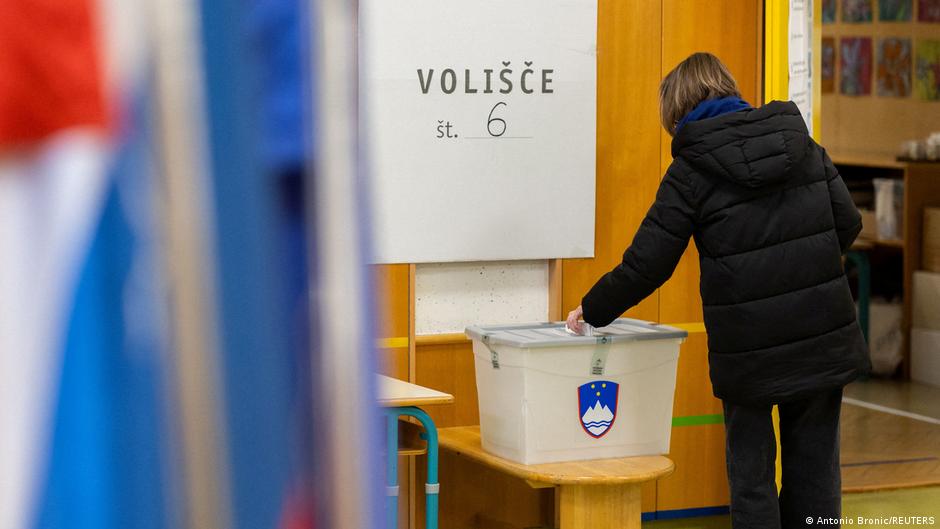
Slovenia’s parliamentary election results, with 99% of votes tallied, showed a near deadlock between Prime Minister Robert Golob’s liberal Freedom Movement party and Janez Jansa’s right-wing Slovenian Democratic Party (SDS). The race appeared poised to conclude with a two-way tie, as Golob’s coalition narrowly led with 28.5% compared to SDS’s 28.1%. Exit polls from public broadcaster TV Slovenia and commercial Pop TV initially suggested a stronger lead for the governing party, but this advantage diminished as counting progressed.
With the almost final tally, it remained uncertain which party would secure the path to forming a government. Smaller political groups were positioned to play a decisive role in any potential coalition. Golob expressed cautious optimism shortly after the results emerged, stating, “I am confident that I can lead the next government,” yet acknowledged that “tough negotiations lie ahead.” He further remarked, “In the next term, we will do everything we can to ensure a better future. We can look forward to moving ahead, into the future, under a free sun.”
A pivotal moment for EU politics
The election carried significant implications for the European Union. Slovenia, a nation of 2 million people, stood at a crossroads: would it continue supporting the bloc’s liberal agenda, or would right-wing populists gain traction? Golob’s government had long advocated for liberal policies, while Jansa’s SDS aligned with figures like Hungary’s Viktor Orban and Slovakia’s Robert Fico, emulating the assertive leadership style of former U.S. President Donald Trump. Jansa, who has shown admiration for Trump, labeled Golob’s administration a “crime syndicate” in past criticisms.
Since its independence from the former Communist-run Yugoslavia in 1991, Slovenia has consistently oscillated between liberal and right-wing populist factions. The country joined both the EU and NATO in 2004, solidifying its position as a Western-aligned nation. However, the current race highlighted tensions over the direction of Slovenia’s political future.
Accusations of foreign interference
Allegations of foreign election meddling gained traction in Slovenia’s media, with Jansa accused of employing a private Israeli intelligence firm, Black Cube, to bolster his bid for power. The claims, first raised by journalists and activists, suggested Black Cube orchestrated videos aimed at undermining government credibility by supposedly exposing corruption. Jansa admitted to having contacts with the firm but denied any wrongdoing in the election process.
During the campaign, Black Cube operatives reportedly visited Ljubljana’s capital four times, with some sightings near the headquarters of SDS. The company, run by two former Mossad agents, has faced past controversies, including its role in discrediting individuals who accused Hollywood producer Harvey Weinstein of sexual abuse. On Thursday, Robert Golob called for an EU investigation, urging swift action to safeguard future elections. “It is so important, not to act now on behalf of Slovenia, but to act now to protect every other state that will come into election process in the next months,” he said.
To view this video please enable JavaScript, and consider upgrading to a web browser that supports HTML5 video
