
In Iran, hope gives way to fear as conflict rages on
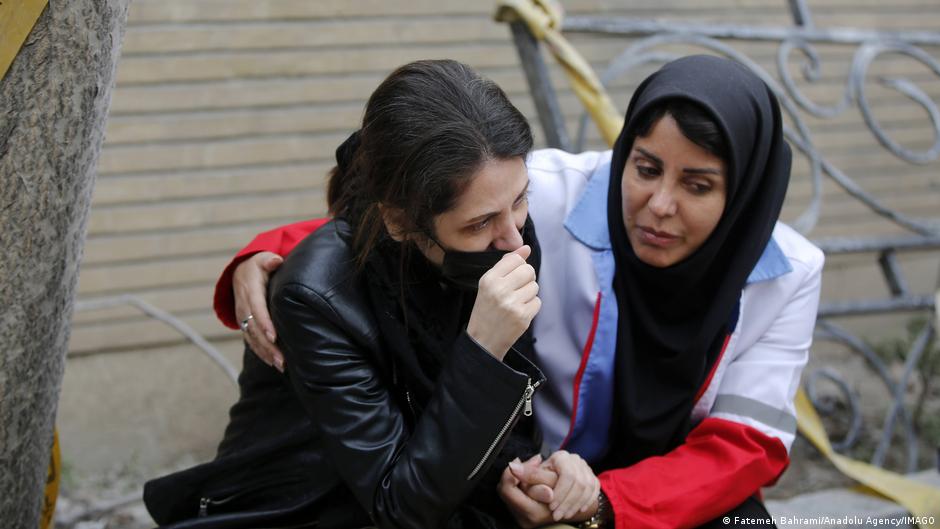
In Iran, hope gives way to fear as conflict rages on
As the US-Israeli attacks on Iran enter their fourth week, the initial optimism of some Iranians has been replaced by growing apprehension. Nearly a month into the airstrikes, the Islamic Republic remains firmly in power, leaving many who once anticipated its downfall feeling disillusioned. DW gathered insights from Iranians about how the regime’s persistence has shifted public sentiment from cautious hope to widespread anxiety.
At the outset of the conflict, some citizens viewed the foreign military strikes as a catalyst for change. They believed the pressure might crack the clerical leadership’s grip, opening the door for public unrest. US President Donald Trump had even urged Iranians to “take over your government,” suggesting that the opportunity for regime change could be fleeting. However, with the war intensifying and civilian infrastructure under siege, the focus has shifted from potential upheaval to the toll of prolonged conflict.
Shattered Assumptions and Rising Uncertainty
The war’s progression has led to a recalibration of expectations. Reports of bombed schools, collapsed buildings, and smoke-filled skies have altered how many Iranians perceive the situation. No longer is the question about whether the regime can be toppled, but rather how long the violence will endure and what sacrifices civilians must make. “The government is still standing despite the destruction, and that has caused initial assumptions to crumble,” said a Tehran resident, who spoke to DW under anonymity.
“Failing to show up at work could be interpreted as a strike or protest, which has placed even more pressure on people,” the person added.
With daily life increasingly precarious, the regime’s insistence on physical presence at workplaces has intensified. Even as air strikes loom, many Iranians feel compelled to report to their jobs, fearing political repercussions for absenteeism. The climate of fear has deepened, making hesitation a potential security risk. “Nowhere feels safe,” the resident noted, highlighting the psychological strain of living under sustained attack.
Diverging Objectives and Unanswered Questions
The ambiguity surrounding the war’s purpose has further fueled uncertainty. Analysts like Babak Dorbeiki, a former deputy at Iran’s Strategic Research Center, argue that Israel and the United States have differing aims. “Israel seeks collapse, while the US appears more focused on containment,” Dorbeiki explained to DW. This divergence means the long-term outcome of the conflict remains unclear, leaving Iranians to grapple with what lies ahead.
Amid the chaos, the strike on a girls’ school in Minab has become a powerful symbol of the war’s impact. The attack underscores how civilian casualties and rising insecurity have become part of everyday life in Iran. As the strikes continue, the question is no longer about regime change, but about how much damage the country can endure before its people demand more from the leadership.
