
Effective Environmental Solutions for Communities to Thrive and Grow
Effective Environmental Solutions for Communities to Thrive and Grow
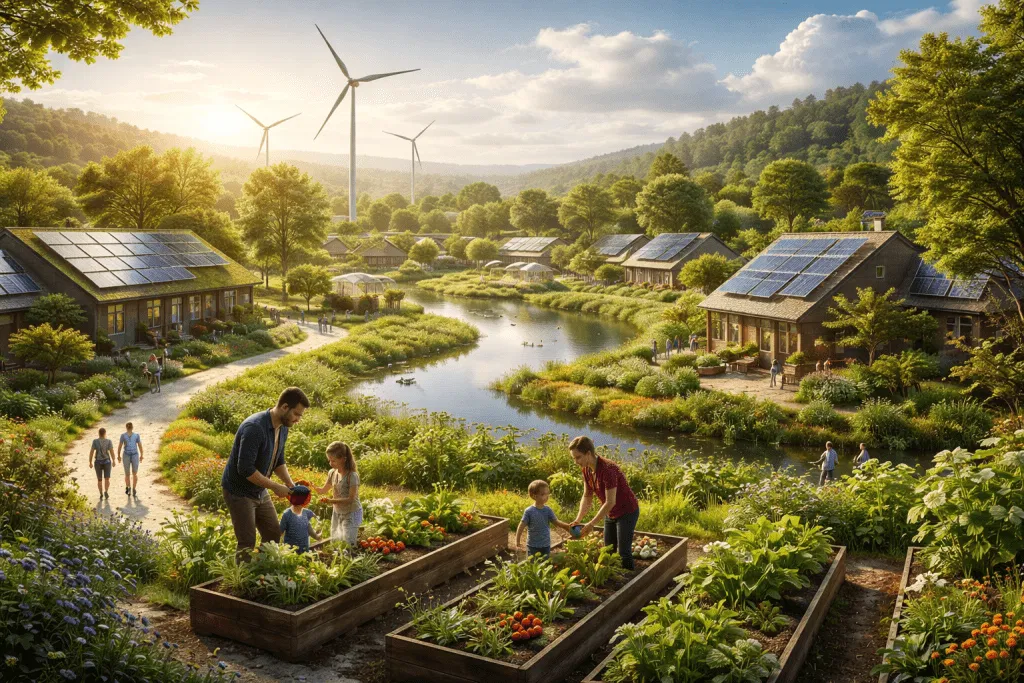
Communities are the heart of every nation, and their well-being directly influences the broader environment. For communities to thrive, they must adopt environmental solutions for communities that not only address immediate issues but also provide sustainable, long-term benefits. These solutions help in creating healthier, safer, and more prosperous living environments, allowing communities to grow and develop in harmony with nature. In this article, we explore a variety of effective environmental solutions that can transform communities and provide them with the foundation they need to thrive.
Sustainable Energy Solutions
One of the most crucial steps in ensuring a community’s sustainable growth is adopting clean energy alternatives. Renewable energy sources like solar, wind, and hydropower can significantly reduce the reliance on fossil fuels and help lower carbon emissions. Solar panels, for instance, can be installed on homes and public buildings, reducing energy costs and contributing to energy independence.
In many cases, governments and local businesses are offering incentives for communities to transition to green energy. Furthermore, community-based wind farms and solar cooperatives are becoming increasingly popular. These initiatives allow communities to pool resources, reduce energy costs, and even sell excess energy back to the grid.
Green Infrastructure for Urban Development
Urban areas, in particular, face significant environmental challenges such as poor air quality, insufficient green space, and flood risk. To combat these issues, green infrastructure solutions are becoming more widely adopted. These solutions include rain gardens, green roofs, and urban forests that help manage stormwater, reduce pollution, and improve air quality.
For example, a well-planned green roof on a commercial building or public facility can significantly lower urban heat islands, increase energy efficiency by insulating buildings, and provide a habitat for wildlife. Meanwhile, urban forests and parks offer not only environmental benefits but also social ones, promoting mental health and well-being among residents.
Waste Reduction and Recycling Programs
Proper waste management is another critical aspect of environmental solutions for communities. The creation of zero-waste communities is an emerging trend, where the goal is to send as little waste as possible to landfills. This can be achieved through efficient recycling programs, composting organic waste, and reducing the consumption of single-use plastics.
Educational campaigns play a vital role in encouraging residents to participate in recycling and waste reduction efforts. Local governments can partner with waste management companies to offer convenient recycling bins and composting facilities in neighborhoods. When done effectively, these programs can reduce the environmental impact of waste and create a cleaner, more sustainable community.
Water Conservation and Management
Water is one of the most precious resources for any community, and its conservation is essential for long-term sustainability. Implementing water-saving techniques such as rainwater harvesting systems, low-flow toilets, and drip irrigation systems can help conserve water and reduce the strain on local water supplies.
Additionally, communities can focus on stormwater management techniques, like permeable pavement and bioswales, to reduce runoff and prevent flooding. These techniques allow rainwater to naturally soak into the ground, reducing the burden on local drainage systems and improving groundwater recharge.
Promoting Sustainable Agriculture and Local Food Systems
Sustainable agriculture is not just about growing food; it’s about creating local food systems that are resilient, environmentally friendly, and socially responsible. Communities can support this by encouraging urban farming, community gardens, and farmers' markets that allow residents to access fresh, locally grown produce.
These efforts not only reduce the carbon footprint associated with transporting food over long distances but also contribute to healthier diets and support local economies. Additionally, sustainable farming practices, such as crop rotation and organic farming, minimize the use of harmful chemicals and enhance biodiversity in agricultural areas.
Education and Community Engagement
None of the environmental solutions mentioned above will succeed without the active involvement of the community. Education and community engagement are the cornerstones of any successful environmental initiative. Residents need to be informed about the importance of these environmental solutions and how they can contribute.
Local workshops, school programs, and public outreach campaigns can go a long way in raising awareness. Community leaders and local organizations must work together to foster a culture of sustainability where every resident feels empowered to make environmentally conscious choices.
Conclusion
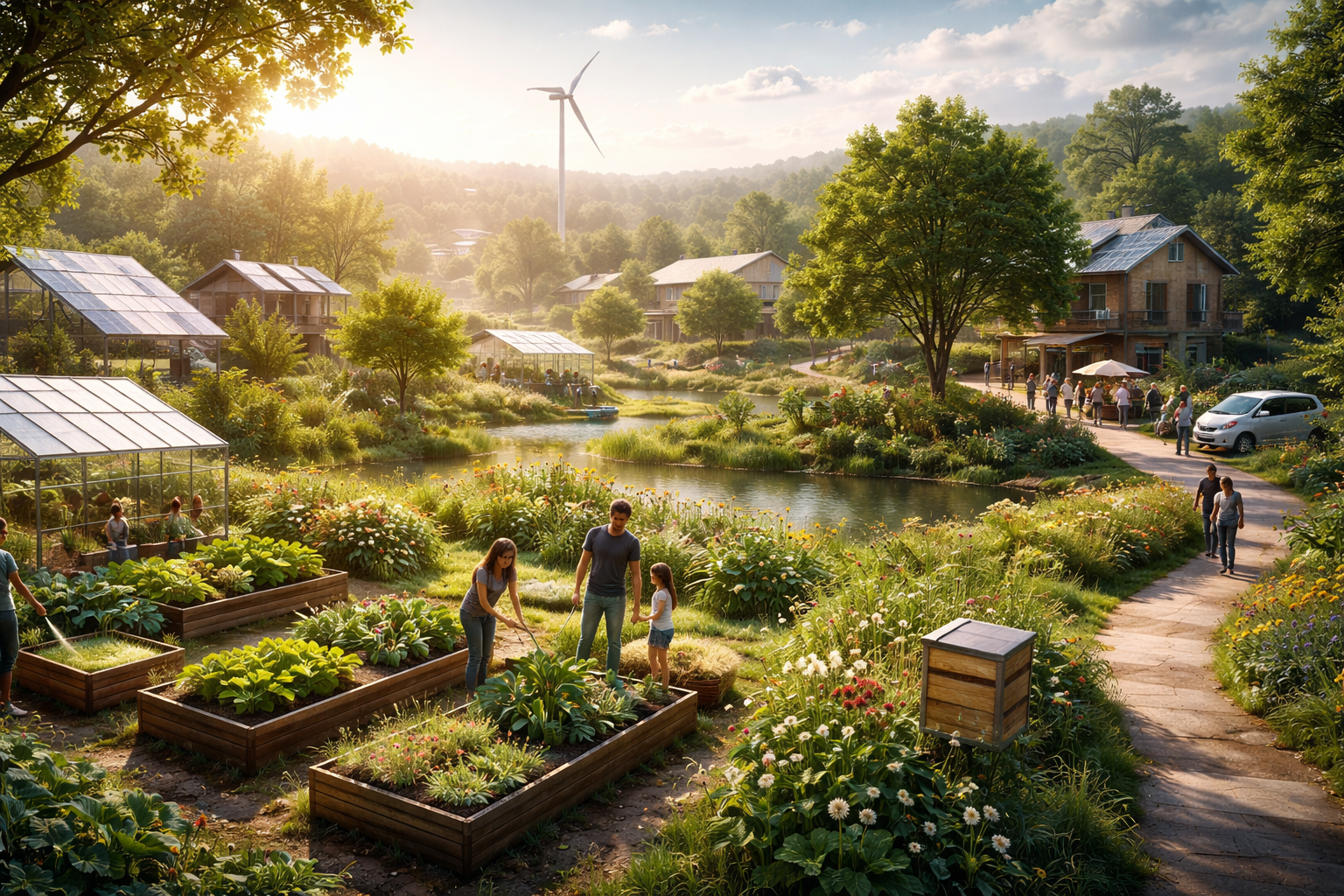
Incorporating environmental solutions for communities is not just about reducing negative impacts on the environment; it’s about creating a framework where communities can grow and prosper sustainably. From adopting renewable energy to reducing waste and conserving water, these solutions have the power to make a real difference. By educating the public and fostering community engagement, it is possible to create a future where communities thrive while respecting the planet’s natural resources.
*
FAQ
Q: How can communities reduce their environmental footprint?
A: Communities can reduce their environmental footprint by adopting renewable energy, improving waste management through recycling, promoting water conservation, and supporting local food systems.
Q: What are the benefits of green infrastructure for urban areas?
A: Green infrastructure helps manage stormwater, reduces pollution, improves air quality, and provides green spaces that enhance residents’ well-being.
Q: How does sustainable agriculture contribute to environmental solutions for communities?
A: Sustainable agriculture supports local food systems, reduces the carbon footprint of food transportation, and minimizes the use of harmful chemicals, benefiting both the environment and the local economy.
Q: Why is community engagement important for environmental solutions?
A: Community engagement ensures that residents understand the importance of sustainability efforts and feel motivated to actively participate in initiatives like recycling, energy conservation, and water management.
Q: What are some examples of water conservation techniques for communities?
A: Techniques like rainwater harvesting, low-flow toilets, drip irrigation, and permeable pavement help conserve water and manage stormwater effectively.
