
Choc horror: Why ‘flavour’ bars and small packs are here to stay
The Chocolate Dilemma: Why ‘Flavor’ Bars and Reduced Sizes Persist
Despite recent declines in cocoa prices—reaching a near-three-year low—and a 20% reduction in sugar costs, chocolate-flavor bars and smaller packaging continue to dominate the market. This shift has been evident since last year, when cocoa prices hit record highs, prompting manufacturers to adjust product formulations and portion sizes.
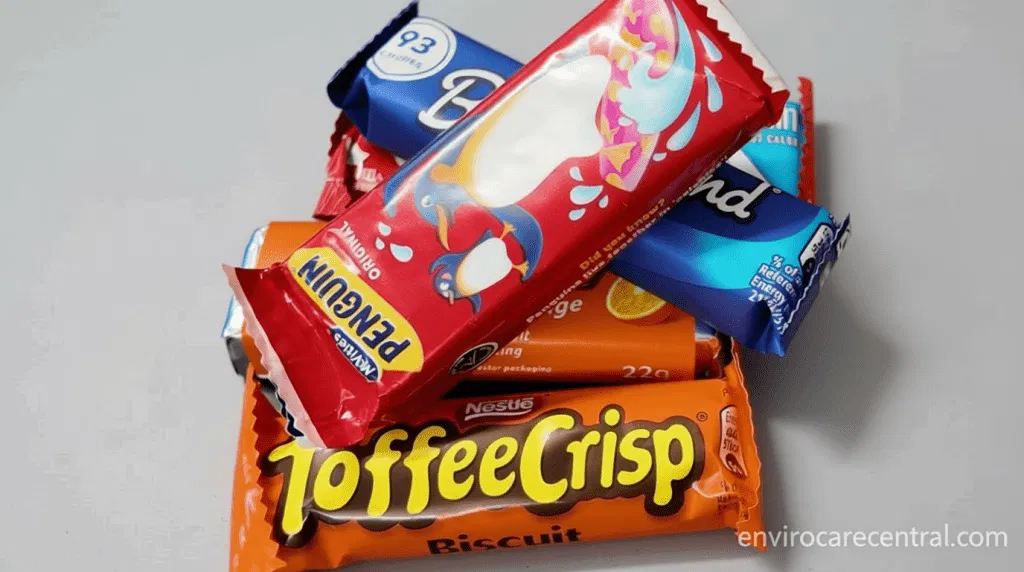
Products labeled as “chocolate flavor” gained traction during this period, as the cocoa content fell to levels where they could no longer be classified as traditional chocolate. For instance, Toffee Crisp and Blue Riband bars were rebranded in December, no longer meeting the UK’s requirement of 20% cocoa solids and 20% milk solids for milk chocolate.
Rebranding and Size Reductions
Similar changes occurred earlier in the year with McVitie’s Penguin and Club bars, while KitKat White and McVitie’s White Digestives underwent similar updates before 2025. Meanwhile, consumers noticed a trend of reduced weights in various products: Celebrations lost 150 grams from 2021 to 2025, and Cadbury’s Dairy Milk decreased by 20 grams over four years.
Smaller packs also became common. A Freddo multipack, for example, now includes four bars instead of five, as do Cadbury Fudge packs. KitKat two-finger bars similarly saw a reduction, dropping from 21 to 18 per pack.
Price Trends and Future Outlook
Industry data from Worldpanel indicates Easter egg prices rose 9% compared to 2025. While the drop in cocoa costs may allow for lower prices at Christmas, the market remains unstable. Many suppliers are still bound by contracts that don’t account for the recent price declines, delaying adjustments.
“There are currently no plans to make further recipe or weight changes to our individual confectionery products,” said Nestle, which produces Toffee Crisp, Blue Riband, Quality Street, and KitKat. “We have taken steps to manage high cocoa prices and maintain affordability, though the market remains volatile.”
Pladis, maker of Penguin, Club, and White Digestives, confirmed no upcoming changes. Meanwhile, smaller producers like Playin Choc may benefit more from reduced cocoa costs, with Dominic Simler noting that higher cocoa-content products could see price cuts if current trends persist.
Gemma Whitaker from Whitakers Chocolate highlighted that manufacturers will still rely on elevated cocoa costs for the foreseeable future. “The war in the Middle East is likely to drive prices upward, even as wholesale cocoa reaches its lowest point since August 2023,” she added.
With multinational producers typically using around 20% cocoa—versus 40% in smaller brands like Playin Choc—their primary costs remain tied to sugar and milk. “For those companies, I’m not sure what they’ll do,” Simler remarked, underscoring the varying impacts of price fluctuations across the industry.
