
Fact check: How can a country actually withdraw from NATO?
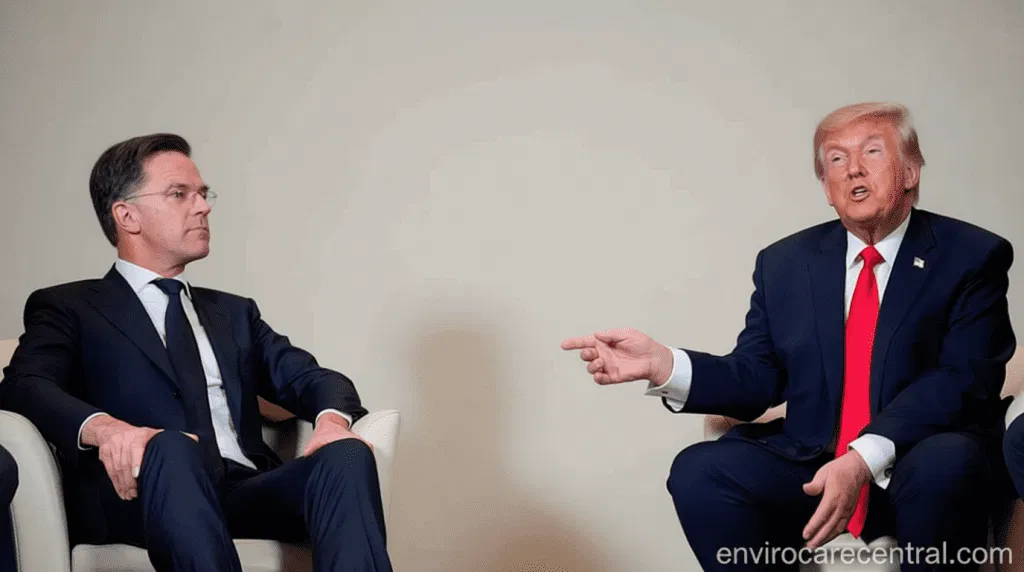
Fact Check: How Can a Country Actually Withdraw from NATO?
In recent weeks, U.S. President Donald Trump has escalated his criticism of NATO, particularly following the ongoing conflict in Iran. He has gone so far as to suggest withdrawing from the alliance, citing European allies and other Western partners for not taking decisive action. His latest remarks, labeling NATO a “paper tiger,” came after NATO members failed to respond to his call for forming a naval task force to reopen the Strait of Hormuz, which Iran had effectively closed.
The Legal Framework for Withdrawal
According to Article 13 of the 1949 North Atlantic Treaty, a nation seeking to leave the alliance must issue a formal notice to the United States. The U.S. then informs all other members, and the withdrawal becomes official one year later. While this process appears clear for European countries and Canada, the U.S. holds a unique position as both a member and the treaty’s depositary, meaning it manages the documents and handles notifications for exits.
“The law makes it formally very difficult for the president to take the U.S. out of the treaty,” said Rafael Loss, a policy fellow at the European Council on Foreign Relations.
Domestically, the U.S. faces additional hurdles. In 2023, President Joe Biden signed an amendment to the National Defense Authorization Act for Fiscal Year 2024, which requires a two-thirds Senate majority or congressional legislation to allow a president to withdraw from NATO. This law also blocks the use of federal funds to support such a move, creating a legal barrier for unilateral exit.
Potential Legal Battles
Experts speculate that any attempt to formally exit NATO would likely reach the Supreme Court. The government would argue that the president holds the authority to terminate the treaty, while opponents might challenge this as unconstitutional. Loss noted that differing interpretations of legislative powers could arise, especially if Trump seeks to bypass traditional processes.
“Trump can’t legally withdraw from NATO without Senate consent,” stated Ian Bremmer, founder of Eurasia Group, on X.
Meanwhile, concerns persist about a scenario where the U.S. remains a formal member but undermines the alliance by cutting its contributions and neglecting mutual defense commitments under Article 5. Such an action could weaken NATO’s effectiveness without triggering a full withdrawal. “This would be preferable in some respects,” Loss explained, “as it provides clarity and advance notice, even if the alliance is no longer fully functional.”
Ultimately, while the treaty outlines a straightforward exit procedure, the U.S.’s legal and political framework complicates matters. The nation’s role in NATO, including its financial and military obligations, means any withdrawal would require renegotiating these commitments and facing legal scrutiny within the U.S. system.
