US Top Court Rules Against Rastafarian Inmate’s Legal Challenge Over Shaved Dreadlocks
US top court says Rastafarian man cannot – The U.S. Supreme Court has delivered a landmark decision in a case that pits religious freedom against institutional authority, denying a former Louisiana prisoner the right to sue correctional officers who cut his dreadlocks. The ruling, which came down in a 6-3 split, determined that Damon Landor, a Rastafarian who claimed his hair was a sacred symbol of faith, could not seek monetary damages against individual guards under the Religious Land Use and Institutionalized Persons Act (RLUIPA). The decision has sparked debate over the scope of religious liberty protections in state prisons and how they differ from federal mandates.
Dreadlocks as a Spiritual Symbol
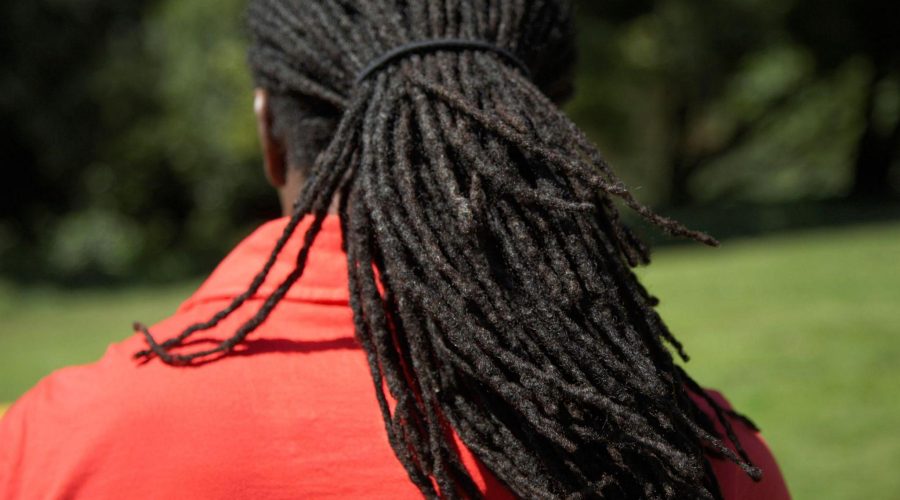
Dreadlocks hold deep cultural and spiritual significance for Rastafarians, representing a commitment to their faith and a connection to their identity. For many in the community, the practice of growing uncut, uncombed hair into dreadlocks is not merely a hairstyle but a form of devotion and self-expression. This belief was central to Landor’s argument, as he claimed that shaving his hair violated his religious rights. However, the Supreme Court justices found that RLUIPA, which was enacted in 2000, does not extend to individual officials in the same way as other religious freedom laws.
In a statement to USA Today, Landor emphasized the personal and spiritual impact of the act:
“So when they cut off my hair, they cut off my crown.”
The phrase underscores the emotional weight he placed on the incident, which occurred in 2020 during his incarceration for a drug-related offense. At the time, officers had handcuffed him to a chair and shaved his head after he argued the action would breach his Rastafarian beliefs. The incident became the focal point of his legal battle, which ultimately reached the nation’s highest court.
The Legal Dispute and Ruling
Landor’s case centered on the interpretation of RLUIPA, a law designed to protect the religious rights of individuals in institutions that receive federal funding. The key issue was whether the act allowed for lawsuits against individual prison employees. Conservative justices on the bench, including Neil Gorsuch, argued that the law was intended to regulate state institutions collectively, not to hold specific officials personally accountable. Gorsuch’s opinion highlighted the Spending Clause, stating that Congress lacks direct authority to impose liability on individuals and must rely on their consent.
Lower courts had previously ruled against Landor, asserting that RLUIPA’s provisions did not cover individual legal claims. This decision aligned with the broader interpretation that the law was meant to address systemic issues rather than personal actions. However, the Supreme Court’s reversal marks a shift from recent rulings that had favored religious freedom claims. In 2020, the justices had previously upheld the Religious Freedom Restoration Act, which allowed individual suits against federal officials for religious liberty violations. That precedent now appears to be challenged in this case.
State vs. Federal Authority
State officials contended that RLUIPA’s application to prisons was meant to ensure compliance with federal standards, not to grant individual employees personal liability. They argued that while states agree to follow federal rules when accepting funding, this agreement does not automatically make each employee responsible for legal consequences. Louisiana, which defended the shaving of Landor’s hair, emphasized that the law was designed to protect the institution as a whole, not to target specific staff members.
Landor had attempted to leverage the law by citing a previous appeals court ruling that found cutting dreadlocks in prison violated RLUIPA. He shared this ruling with a guard at Raymond Laborde Correctional Center, where he was moved during his final month of sentencing. Despite his efforts, the guards discarded the documents before proceeding to shave his head. Court records reveal that the prison officials dismissed his arguments, asserting that the act was necessary for institutional order.
Dissenting Opinions and Broader Implications
Liberal justices on the bench, including Ketanji Brown Jackson, expressed concern over the ruling’s impact on prisoners’ ability to seek redress. In her dissent, Jackson stated:
“Prisoners like Landor who suffer violations of their religious freedom in state prisons—no matter how blatant—will often be left remediless.”
She argued that RLUIPA’s purpose was to ensure state and local prisons respected religious practices, and the decision undermined that goal by limiting legal recourse for individuals.
The ruling also highlights a divergence between federal and state approaches to religious freedom. While the 1993 Religious Freedom Restoration Act allowed for individual lawsuits against federal employees, RLUIPA was crafted with a narrower scope, focusing on state institutions. This distinction has created a legal gap, leaving prisoners like Landor without the same protections in certain cases. Critics warn that the decision may set a precedent that weakens religious liberty claims in state prisons, particularly for those who rely on legal action to challenge perceived violations.
Cultural and Historical Context
The case has broader cultural resonance, drawing parallels to the legacy of Rastafarianism and its influence on global music and identity. As noted in a separate video reference, the religion that shaped Bob Marley’s iconic hairstyle has long been associated with spiritual expression and resistance. Landor’s struggle reflects a modern iteration of this tradition, where personal faith is challenged by institutional policies. The ruling raises questions about how deeply such traditions are embedded in the legal framework of American prisons and whether they are sufficiently protected.
Landor’s attorneys had argued that the act of shaving his hair was a symbolic attack on his faith, akin to removing a part of his identity. They pointed to the practice of growing dreadlocks as a core aspect of Rastafarian belief, which requires time, patience, and a commitment to spiritual growth. The court’s decision, however, prioritized the legal structure of RLUIPA over these symbolic dimensions, emphasizing that the law was not intended to grant personal liability for routine institutional actions.
Future Legal Challenges
The Supreme Court’s interpretation of RLUIPA may influence future cases involving religious freedom in state-run facilities. While the decision limits the ability of prisoners to seek damages against individual officers, it does not eliminate the possibility of other legal avenues. Landor’s case also underscores the importance of advocacy and documentation in proving religious violations, as he had presented court records to support his claim. Despite the ruling, Rastafarians and legal advocates continue to push for broader protections, arguing that faith should be a central consideration in prison policies.
As the debate over religious freedom in prisons continues, this case serves as a reminder of the complex interplay between personal beliefs and institutional authority. The Supreme Court’s 6-3 decision not only affects Landor’s ability to seek financial compensation but also sets a legal standard that could shape similar cases in the future. For Rastafarians, the ruling highlights the ongoing struggle to have their traditions recognized and protected within the confines of the justice system.