Irish Government to Contribute £197m to Cross-Border Rail Services
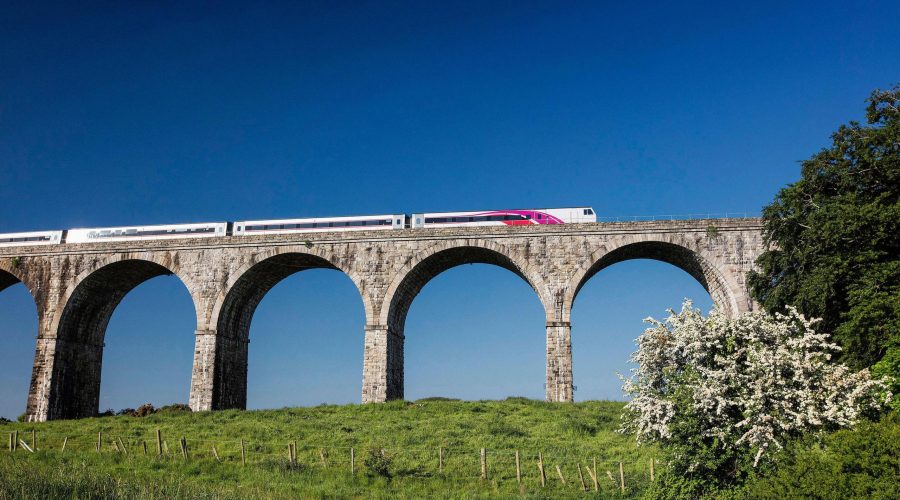
Irish government to contribute 197m to cross – Recent announcements highlight a significant financial commitment by the Irish government to bolster rail connectivity between Northern Ireland and the Republic of Ireland. A total of €228 million (£197 million) is set to be allocated to enhance transportation links across the border, marking a key step in addressing long-standing infrastructure gaps. This funding will be divided into two major components: €193 million (£166 million) for the Londonderry-Belfast-Dublin rail network, and an additional €35 million (£30 million) to ensure the continuation of hourly train services from Dublin to Belfast until at least 2030. The initiative underscores the shared vision of both jurisdictions to improve mobility and foster greater integration between the two regions.
Shared Island Fund Allocations and Cross-Border Collaboration
The funds are drawn from the final portion of the Irish government’s Shared Island Fund, a program designed to support projects that benefit communities in both the Republic of Ireland and Northern Ireland. By approving the rail investments, ministers have emphasized the importance of collaborative efforts to strengthen connectivity. A critical aspect of this plan involves reducing transfer times between the Dublin-Belfast and Belfast-Derry rail lines to under 15-20 minutes, aiming to create a more seamless journey for commuters. This change is expected to significantly improve access to services in the three major cities, facilitating economic and social ties across the island.
Cricket Facilities and the T20 World Cup Vision
Alongside rail improvements, the government has also allocated £3 million for the development of cricket facilities at the Stormont estate in Belfast. This investment is part of a broader strategy to position Northern Ireland as a potential host for international games during the 2030 Men’s T20 Cricket World Cup, which will be co-hosted by Ireland and the UK. The project aims to create state-of-the-art venues capable of hosting high-level matches, ensuring the region is ready to showcase its sporting capabilities on a global stage. Cricket Ireland and the Northern Ireland Civil Service Sports Association are jointly contributing £1 million (€1.15 million) to expand the sports grounds, further supporting the tournament’s infrastructure needs.
The T20 World Cup, set to take place in 2030, represents a major opportunity for the island of Ireland. It is anticipated to be the largest sporting event ever held on the island, surpassing previous international competitions in terms of global broadcast reach and international engagement. The 2022 T20 World Cup, for example, attracted over 3.95 billion hours of viewing across all platforms, demonstrating the potential for similar success in 2030. The cricket facilities at Stormont are expected to play a pivotal role in this endeavor, complementing other venues across Ireland and the UK that will be developed as part of the event.
Port Development and Canal Restoration
Other cross-border initiatives include a €40 million (£34 million) contribution to a port development scheme, which will focus on expanding capacity at maritime facilities across the island. This investment is part of a larger effort to modernize port infrastructure, ensuring it meets the demands of growing trade and tourism. Additionally, €30 million (£26 million) will be directed towards the third phase of the Ulster Canal restoration. This phase, spanning from Clonfad to Castle Saunderson, is a critical component of the project, featuring a 10-kilometer (6.2-mile) stretch of newly constructed and refurbished navigable canal that connects Clones to the Erne System and the Shannon-Erne waterway.
A new 9-kilometer (5.5-mile) section of the Ulster Canal Greenway will also be developed as part of this phase. This greenway is designed to promote recreational activities while integrating sustainable transport options for the local population. The canal’s restoration not only aims to revive its historical significance but also to support environmental and economic development in the region. These projects align with the Shared Island Fund’s goal of fostering regional cooperation and improving infrastructure that serves both communities.
Environmental Initiatives for Lough Neagh
The Shared Island Fund is also playing a vital role in addressing ecological challenges affecting Lough Neagh, the UK’s largest freshwater lake. A €33 million (£28 million) allocation will fund the Lough Neagh Catchment Area Water Quality (LNWQ) program, which will implement a combination of physical interventions, resource allocation, and collaborative efforts to restore the lake’s water quality. This initiative comes after discussions at the North South Ministerial Council meetings, where politicians highlighted the urgency of tackling blue-green algae blooms that have been impacting the lake’s ecosystem in recent years.
Agriculture, Environment and Rural Affairs Minister Andrew Muir described the state of Lough Neagh as “one of the most distressing and visible environmental crises” affecting Northern Ireland. The funding, he noted, reflects a shared commitment to protecting the lake and investing in its long-term sustainability. The program will focus on reducing pollution, restoring natural habitats, and enhancing community involvement in environmental stewardship. By addressing these challenges, the initiative seeks to safeguard the lake’s ecological health while supporting the livelihoods of those who rely on it for agriculture, fishing, and tourism.
Education and Social Development
Another key aspect of the Shared Island Fund’s recent allocations involves education. A further €13.5 million (£12 million) will be used to create 1,000 additional training places for early years educators, with 40% of these opportunities reserved for Northern Ireland participants. This investment will enable the development of a tailored training and capacity-building program for over 10,500 early learning and childcare services, including registered childminders, across the island. The program aims to equip educators with the skills needed to support all children, particularly those with additional needs, ensuring equitable access to quality education.
Ministers have also stressed the importance of these investments in fostering social cohesion and economic growth. By prioritizing education and infrastructure, the government is addressing both immediate and long-term challenges facing the region. The cross-border nature of these projects highlights the mutual benefits they offer, from improved transportation and environmental protection to enhanced educational outcomes and tourism opportunities. As the Shared Island Fund continues to distribute its over €1 billion (£862 million) in total allocations, the focus remains on creating a more integrated and resilient island of Ireland.
Looking Ahead: A Vision for Connectivity and Sustainability
With the approval of the €377 million (£325 million) for 12 new initiatives under the Shared Island Fund, the government is demonstrating a long-term commitment to cross-border development. These projects, spanning transport, environment, and education, are expected to create lasting improvements in quality of life and economic opportunities. As the 2027-2030 timeline approaches, the focus will shift to implementation, ensuring that each investment contributes meaningfully to the shared future of the island. The combined efforts of both governments and local stakeholders will be crucial in turning these plans into reality.
“This brings total government allocations from the fund so far to over €1bn (£862m), building a more connected, sustainable island,” said Taoiseach Micheál Martin. “The Shared Island Fund is a testament to our joint determination to invest in the future of the entire island of Ireland.”
These developments are not just about infrastructure; they represent a broader strategy to strengthen ties between the Republic of Ireland and Northern Ireland. By addressing key areas such as transport, education, and environmental protection, the government is laying the groundwork for a more integrated and prosperous future. The upcoming projects will serve as a foundation for continued collaboration, ensuring that the benefits of cross-border investment are felt by all communities across the island.