
Effective Strategies on How to Combat Climate Change and Make a Difference
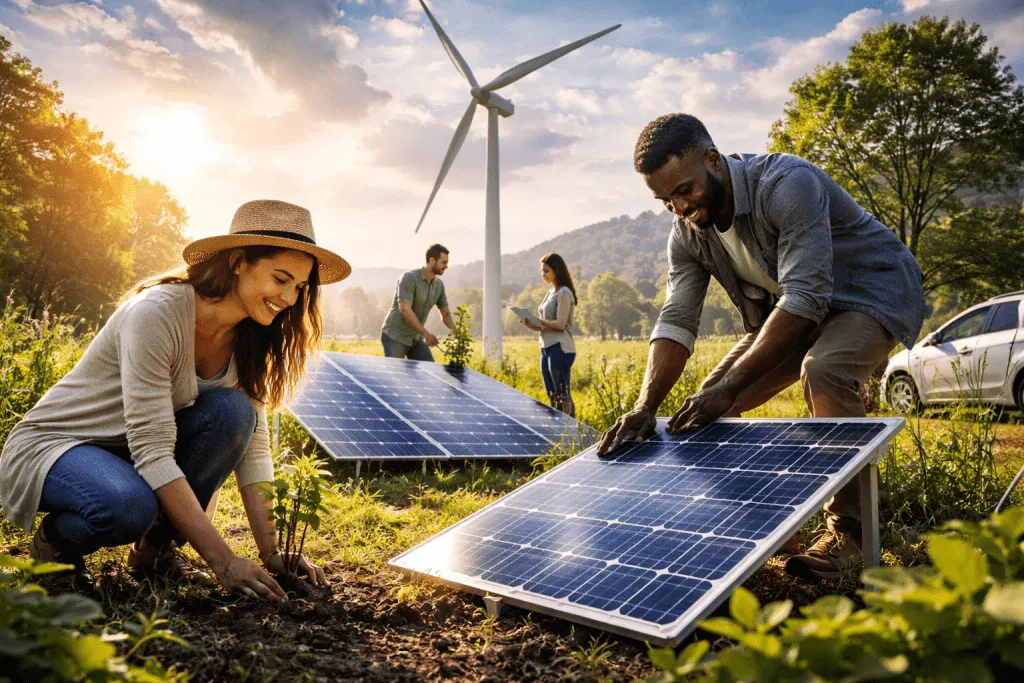
Climate change is one of the most pressing challenges the world faces today. As global temperatures rise, extreme weather events increase, and ecosystems face unprecedented disruptions, it’s clear that action is needed. Understanding how to combat climate change is essential, and fortunately, there are many strategies that individuals, governments, and organizations can adopt to make a significant difference. In this article, we’ll explore effective ways to combat climate change and contribute to the preservation of our planet.
Understanding the Impact of Climate Change
Before discussing how to combat climate change, it’s essential to recognize its far-reaching impacts. Climate change affects nearly every aspect of life, from agriculture to health, and even national security. Rising sea levels threaten coastal communities, while more frequent and intense storms endanger lives and infrastructure. Moreover, the ongoing destruction of biodiversity jeopardizes natural resources, which many people rely on for food, medicine, and clean water.
Addressing this issue requires a multi-faceted approach, where each step taken can create a ripple effect. Understanding the causes of climate change, primarily the emission of greenhouse gases, helps in developing actionable strategies for reducing its impact.
Reducing Carbon Footprints: The Role of Individuals
One of the most immediate and accessible ways to combat climate change is by reducing individual carbon footprints. Each person’s daily activities contribute to the emission of carbon dioxide (CO2) and other greenhouse gases. By making conscious decisions, we can all help in curbing this issue.
– Sustainable Transportation: Opting for public transportation, biking, or walking instead of driving reduces emissions significantly. For longer trips, consider switching to electric vehicles or hybrid cars, which have a smaller environmental impact compared to traditional gas-powered vehicles.
– Energy Efficiency at Home: Simple changes such as using energy-efficient light bulbs, installing better insulation, and turning off lights when not in use can significantly lower household energy consumption. Additionally, switching to renewable energy sources like solar or wind power can drastically reduce your carbon footprint.
– Reducing Waste: Waste management is another vital aspect of fighting climate change. Reducing, reusing, and recycling can minimize the amount of waste that ends up in landfills, which produces methane, a potent greenhouse gas. By reducing waste and supporting companies that emphasize sustainable packaging, you can reduce your overall carbon impact.
Supporting Renewable Energy Sources
One of the most effective ways to combat climate change is by transitioning to renewable energy sources. The burning of fossil fuels, such as coal, oil, and natural gas, is a primary driver of climate change. Moving towards clean, renewable energy options like solar, wind, and geothermal energy can drastically reduce the amount of harmful emissions produced.
Governments and industries play a significant role in making the switch to renewable energy feasible. Public investments in clean energy infrastructure and incentives for businesses and homeowners to use renewable sources are essential. Additionally, individuals can make a difference by supporting companies that prioritize sustainable energy practices.
Promoting Sustainable Agriculture and Food Systems
Agriculture is a significant contributor to climate change, particularly through deforestation and methane emissions from livestock. Transitioning to more sustainable farming practices is crucial in the effort to combat climate change.
– Regenerative Agriculture: This farming approach focuses on improving soil health and biodiversity, which helps absorb CO2 from the atmosphere. By using techniques such as crop rotation, reduced tillage, and cover cropping, farmers can significantly reduce carbon emissions.
– Plant-Based Diet: A shift toward plant-based diets can also help in the fight against climate change. The livestock industry is responsible for a significant portion of global greenhouse gas emissions. By consuming more plant-based foods and reducing meat consumption, individuals can lower their carbon footprints.
– Local Sourcing and Organic Farming: Supporting local and organic food producers reduces the carbon emissions associated with long-distance transportation and the heavy use of chemical fertilizers and pesticides. Choosing locally-grown food also supports sustainable farming practices that have a lower environmental impact.
Policy and Global Cooperation: The Power of Collective Action
While individual actions are crucial, fighting climate change also requires a global approach. Governments, policymakers, and international organizations must work together to create effective climate policies and regulations. This is where collective action becomes vital.
– International Agreements: Global agreements, such as the Paris Agreement, have set ambitious targets for reducing global warming and limiting greenhouse gas emissions. Countries must continue to strengthen these agreements and take decisive action to meet their climate goals.
– Carbon Pricing and Green Incentives: Governments can implement carbon pricing mechanisms, such as a carbon tax or cap-and-trade systems, to incentivize companies to reduce emissions. Additionally, offering green incentives like tax credits for renewable energy use or electric vehicle purchases can accelerate the adoption of environmentally-friendly technologies.
– Investing in Innovation: Governments and private companies must prioritize investments in clean technologies, such as carbon capture and storage, advanced renewable energy systems, and energy-efficient infrastructure. These innovations have the potential to dramatically reduce emissions and create a sustainable future.

Educating and Raising Awareness
A key aspect of combating climate change is educating the public about its urgency and encouraging widespread participation in solutions. Raising awareness about the causes and consequences of climate change can foster a collective sense of responsibility.
– Climate Change Education: Schools and universities should incorporate climate change topics into their curricula. Understanding the science behind climate change and the actions required to mitigate it empowers future generations to take meaningful steps.
– Community Engagement: Local communities play a critical role in climate change action. Community-based initiatives, such as tree planting campaigns or local sustainability projects, can inspire grassroots involvement and build momentum for larger-scale actions.
Conclusion
Combatting climate change is a global challenge that requires a concerted effort from individuals, industries, and governments. By reducing our carbon footprints, supporting renewable energy, promoting sustainable agriculture, and advocating for policy change, we can all contribute to creating a healthier planet. Each step we take adds up to a meaningful difference in the fight against climate change.
*
FAQ
Q: How can individuals combat climate change?
A: Individuals can combat climate change by reducing their carbon footprints through sustainable transportation, energy-efficient practices at home, reducing waste, and supporting renewable energy sources.
Q: What is the role of renewable energy in addressing climate change?
A: Renewable energy sources, such as solar and wind power, are crucial in reducing carbon emissions from fossil fuels and can play a significant role in combating climate change.
Q: How does sustainable agriculture help combat climate change?
A: Sustainable farming practices, such as regenerative agriculture and plant-based diets, can reduce emissions from deforestation, livestock, and excessive chemical use, helping to combat climate change.
Q: What can governments do to combat climate change?
A: Governments can implement policies like carbon pricing, support international agreements, and invest in clean energy innovations to help combat climate change effectively.
Q: How can education help in combating climate change?
A: Educating the public, especially future generations, about climate change and its impacts can raise awareness and inspire action to mitigate the crisis.
