
Russia and Ukraine agree to truce for Orthodox Easter
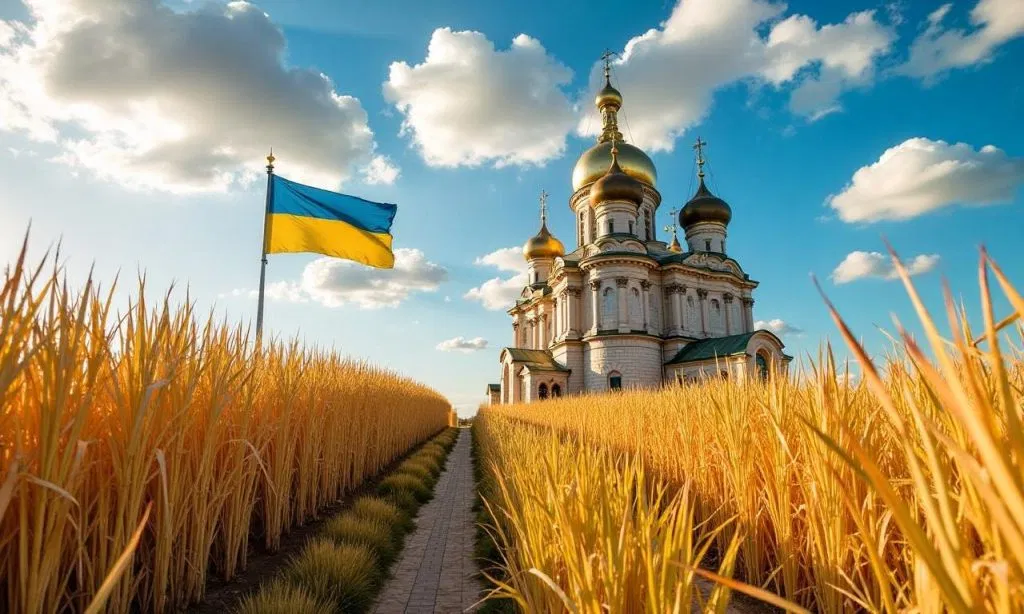
Russia and Ukraine agree to truce for Orthodox Easter
Ukraine and Russia have reached a temporary ceasefire agreement during Orthodox Easter, with Vladimir Putin declaring a halt to hostilities “in all directions” for the weekend. The move by Moscow followed repeated appeals from Volodymyr Zelensky, who had previously sought a pause in the conflict without success. Putin specified the truce would last from 16:00 local time on Saturday, 11 April, through Easter Sunday, while urging Ukraine to “follow the example” of Russia.
Despite the truce, Ukrainian forces are instructed to monitor for “possible enemy provocations” and “aggressive actions,” as per Putin’s orders. The initiative has sparked mixed reactions, with some Ukrainians expressing doubt about its sincerity. Zelensky quickly responded on X, stating Ukraine was “ready for symmetrical steps” and emphasizing the need for an Easter without threats. “People need an Easter free from threats and real movement toward peace,” he wrote, adding that Russia “has a chance not to return to strikes after Easter as well.”
“People need an Easter free from threats and real movement toward peace,”
he said, highlighting the pressure on both sides to make progress. Earlier this week, Zelensky had asked the United States to convey a proposal for a holiday truce to Moscow, positioning it as a potential first step toward broader peace.
The truce offers a brief reprieve for soldiers on the eastern frontline, where they face constant drone attacks. It also allows civilians across Ukraine to experience a temporary calm, as air raid sirens and missile strikes continue to disrupt daily life. Recent incidents include a drone strike on a bus in Nikopol and a missile hitting a home in Zhytomyr, underscoring the ongoing risks.
Ukraine, in turn, has escalated its drone attacks on Russian infrastructure, targeting energy facilities in particular. Moscow reported residential areas were also hit, though details remain unclear. If the ceasefire holds, it could signal a shift in the conflict’s trajectory, but Kyiv remains cautious, citing past disappointments.
Earlier this year, Russia claimed an “energy truce” during winter, pausing strikes on Ukraine’s power plants—only to resume attacks shortly after. Similarly, in May, a unilateral ceasefire was declared to mark the Soviet victory over Nazi Germany, yet Ukraine recorded numerous violations. The country’s goal remains a full and stable ceasefire, a necessary precondition for peace talks, but Moscow insists on finalizing terms first.
Several rounds of negotiations have taken place, mediated by the US, but the process stalled after Donald Trump redirected focus to the Middle East. With the Easter truce now in effect, both nations face the challenge of proving their commitment to reducing violence. Whether it lasts beyond the holiday period remains uncertain.
