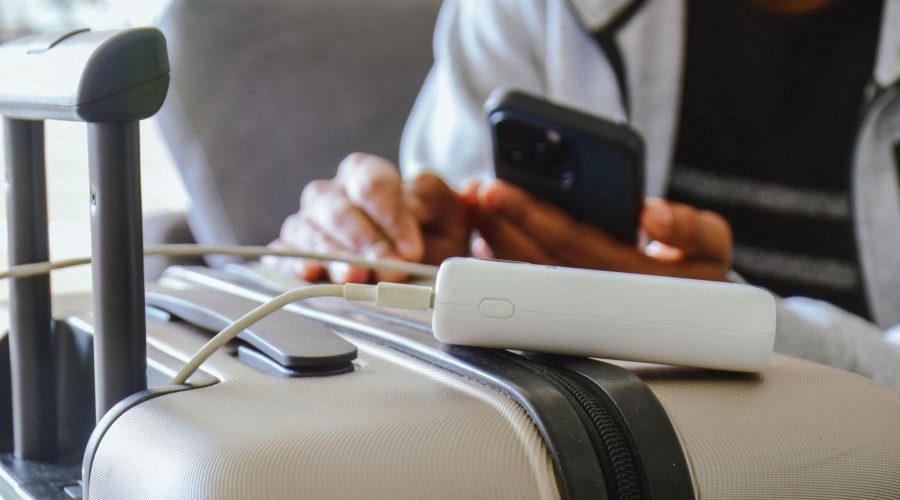
Power banks and vapes now biggest fire risk on planes
Rising Lithium Battery Incidents on Flights
Power banks and vapes now biggest – As summer travel seasons approach in the UK, airline passengers are being urged to exercise caution with their carry-on items, particularly power banks and vapes. The Civil Aviation Authority (CAA) has highlighted that lithium batteries, commonly found in these devices, have become the primary safety concern for aircraft. This shift in risk stems from a significant increase in the number of lithium-powered devices discovered in hold luggage over the past year. The CAA reports that the average traveler now includes four distinct lithium battery-containing gadgets in their flight kits, including laptops, smartphones, and wearable tech. This trend underscores the growing reliance on portable electronics and the need for stricter safety measures.
The surge in incidents is not just a local issue but part of a broader pattern. In 2024, UK aviation authorities recorded 316 lithium battery-related events involving devices stored in the cargo hold. By 2025, this figure had nearly doubled, reaching 643. Alongside these numbers, reports of devices overheating or malfunctioning also increased from 123 to 206 in the same period. While most of these incidents occur in the cabin, where crew can quickly respond, the danger escalates if a fire starts in the hold. In such cases, the problem may go unnoticed until it becomes too late to contain.
The Dangers of Lithium Batteries
Lithium batteries are prized for their compact size and high energy density, which makes them ideal for modern gadgets. However, this same efficiency can lead to catastrophic outcomes if something goes wrong. A single faulty battery can ignite rapidly, spreading flames through the confined space of an aircraft hold. The CAA emphasizes that these fires are not only intense but also challenging to extinguish, especially in the absence of immediate access. For instance, in October 2025, a video circulated online showing flames erupting from the overhead compartment of an Air China flight, attributed to a lithium battery in the luggage. The incident highlighted how quickly a small malfunction can escalate into a major hazard.
The risk is compounded by the increasing number of electronic devices in use. Tim Alderslade, Chief Executive of Airlines UK, notes that the proliferation of gadgets has turned lithium battery safety into a “growing challenge.” He explains that while pilots and cabin crew are well-prepared to handle emergencies, the best outcome is always prevention. “Passengers play a crucial role in ensuring safety,” Alderslade says. “By packing devices in the cabin, they reduce the likelihood of a fire starting in the hold.” This sentiment aligns with the CAA’s advice to keep power banks and vapes in the cabin rather than in the luggage compartment. The authority also specifies that only two power banks per person are permitted on a flight, and they must never be charged while onboard.
Why Substandard Products Pose a Threat
Giuseppe Capanna, a product safety engineer at the Electrical Safety First charity, adds that not all lithium batteries are created equal. He warns that many of the incidents stem from “substandard versions” of batteries purchased from third-party sellers. “These products may lack proper safety certifications or have compromised manufacturing processes,” Capanna says. “Even a minor defect can lead to a ferocious fire, which is difficult to control.” He stresses the importance of selecting tested and certified devices, especially when traveling with children or during peak seasons. “We need to ensure that the items we bring on holiday are safe, reliable, and designed to withstand the rigors of air travel,” he adds.
The consequences of these incidents extend beyond immediate danger. When bags are removed from the hold, it can cause delays, disrupt schedules, and even force planes to divert. For example, last month an EasyJet flight had to change course to Rome after a power bank was discovered in the cargo area. Such events are not isolated; they reflect a systemic issue that requires both regulatory vigilance and passenger awareness. Capanna points out that the lack of access to devices in the hold means any malfunction has limited options for intervention. “Imagine a fire breaking out in the back of the plane while the crew is busy with other tasks,” he says. “The outcome could be disastrous.”
Global Concerns and Preventative Measures
The CAA’s warnings are part of a global conversation about lithium battery safety. Similar incidents have been reported in other countries, prompting airlines and regulators to implement stricter guidelines. For instance, power banks are often required to be stored in protective cases or in the cabin to minimize the risk of sparks or short circuits. Additionally, passengers are advised to keep laptops powered off when placing them in checked baggage, as even a minor fault in a laptop battery can trigger a chain reaction in the hold.
While most lithium batteries are safe, the rise in counterfeit products has raised alarms. Capanna highlights that these substandard batteries may not adhere to international safety standards, making them more prone to failure. “Third-party sellers sometimes cut corners to reduce costs, which can have serious repercussions,” he explains. “These batteries may not have the necessary thermal protection or insulation to prevent overheating during flights.” He also mentions that the increased use of vaping devices, which often contain lithium batteries, adds another layer of complexity. “Vapes are popular for their convenience, but they require careful handling,” Capanna says. “If the battery fails, the risk of fire is heightened.”
The CAA has taken steps to educate passengers, including campaigns targeting those who may not be aware of the rules. For example, during the school summer holidays, which began in Scotland this week, the authority is focusing on reminding travelers to pack devices in the cabin. This includes not only power banks and vapes but also other gadgets like mobile phones and smart watches. The goal is to create a culture of proactive safety, where passengers take responsibility for their belongings. “Prevention starts with how we pack our bags,” Alderslade says. “By keeping high-risk items in the cabin, we give the crew a better chance to address any issues before they escalate.”
Impact on Air Travel and Future Outlook
The rise in lithium battery incidents has forced airlines to adapt their safety protocols. In some cases, additional inspections are conducted for hold luggage, and specialized equipment is used to monitor temperature fluctuations. However, these measures come with logistical challenges, as they can slow down the boarding process and increase operational costs. The CAA is also working with manufacturers to improve battery safety standards and ensure that devices sold to the public meet necessary requirements.
Looking ahead, experts predict that the risk will continue to grow as more travelers rely on portable electronics. Capanna suggests that consumers should prioritize purchasing from reputable brands and checking for safety certifications before packing. “We can’t always control the conditions of a flight, but we can control what we bring with us,” he says. “By choosing safer products, we reduce the chances of a fire starting in the hold.” The CAA and Airlines UK are also exploring new technologies, such as fire-resistant materials and better charging systems, to mitigate these risks.
As the demand for electronic gadgets increases, so does the need for vigilance. Passengers must understand that even a small oversight can lead to significant consequences. Whether it’s a power bank left charging in the hold or a vape device with a faulty battery, the potential for disaster is real. By following the guidelines and staying informed, travelers can help ensure that their journeys are not only smooth but also safe. The CAA’s latest warnings serve as a timely reminder that while technology has made travel more convenient, it also comes with new challenges that require collective effort to address.
Additional Reporting and Context
Additional reporting from Danielle Codd provides further insights into the evolving landscape of flight safety. The article references previous incidents, such as the S Korea plane fire linked to a power bank, which illustrates the international nature of this problem. Investigators are now focusing on improving detection methods and response strategies to prevent similar occurrences. “The key is to stay ahead of the risk,” says Capanna. “With proper education and regulation, we can minimize the chances of lithium battery fires becoming a major threat to air travel.”
As airlines prepare for the busiest travel period of the year, the lessons from recent incidents are clear. The combination of increased device usage and the potential for battery failures means that passengers must be vigilant. By adhering to the CAA’s guidelines and taking personal responsibility, travelers can contribute to safer skies. The message is simple: pack your gadgets wisely, keep them in the cabin, and ensure they are in good working condition. In doing so, we can prevent small issues from turning into life-threatening emergencies on board.