
Britain’s pound is beating every other major currency this year
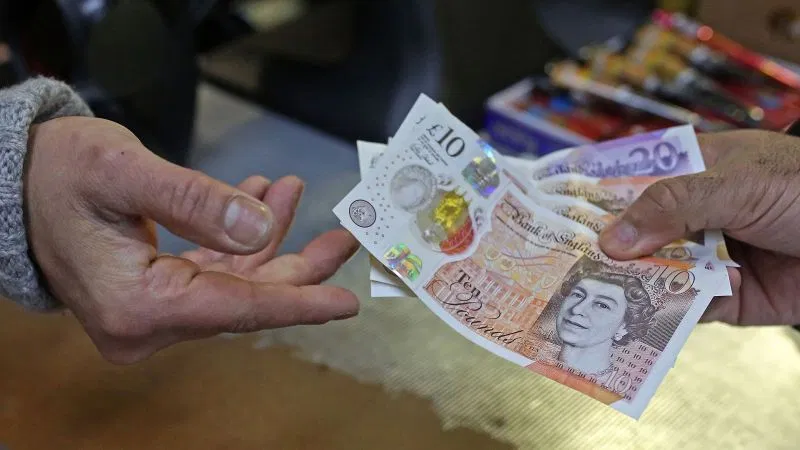
Britain’s pound is beating every other major currency this year
The UK currency has shown remarkable strength this year, surpassing the US dollar for the first time since June 2022. On Tuesday, it reached a peak of $1.25, marking a 10-month high. This rebound positions the pound as the top-performing currency among developed economies so far in 2023.
Following a sharp decline in late 2022, the pound has now recovered, rising 3.3% against the dollar since the start of the year. This resurgence is attributed to improved economic resilience in the UK. Recent data suggests that economic activity grew by 0.1% in the final quarter of last year, reversing earlier forecasts of stagnation. January’s GDP growth also hit 0.3%, up from a 0.5% contraction in December.
Analysts credit the Bank of England’s continued rate hikes for this shift, despite global concerns over banking instability. Higher interest rates attract foreign capital, which has bolstered the pound. Meanwhile, inflation in the UK surged to 10.4% in February, reinforcing the need for aggressive monetary policy.
Francesco Pesole, a currency strategist at ING, noted that the pound’s recovery has been “sharp” due to its earlier steep drop. The euro, too, has benefited from similar dynamics, climbing 2.3% against the dollar in 2023. Both currencies have gained from the US dollar’s decline since September 2022, driven by fears of a US recession and the Federal Reserve’s uncertain path.
“There was a lot of pessimism being priced into the pound,” said Pesole. “But the sharp pullback in energy prices and China’s reopening have provided some relief about the economic outlook since the start of the year.”
While the pound’s gains are notable, uncertainty remains. Jordan Rochester of Nomura predicts the currency could climb to $1.30 this year, “potentially higher,” but warns of risks tied to the Bank of England’s strategy and its impact on the economy. Pesole also cautioned that market volatility may exaggerate currency movements, as seen in recent weeks.
