
How to Set Up a Smart Garden: Easy Tips for Success
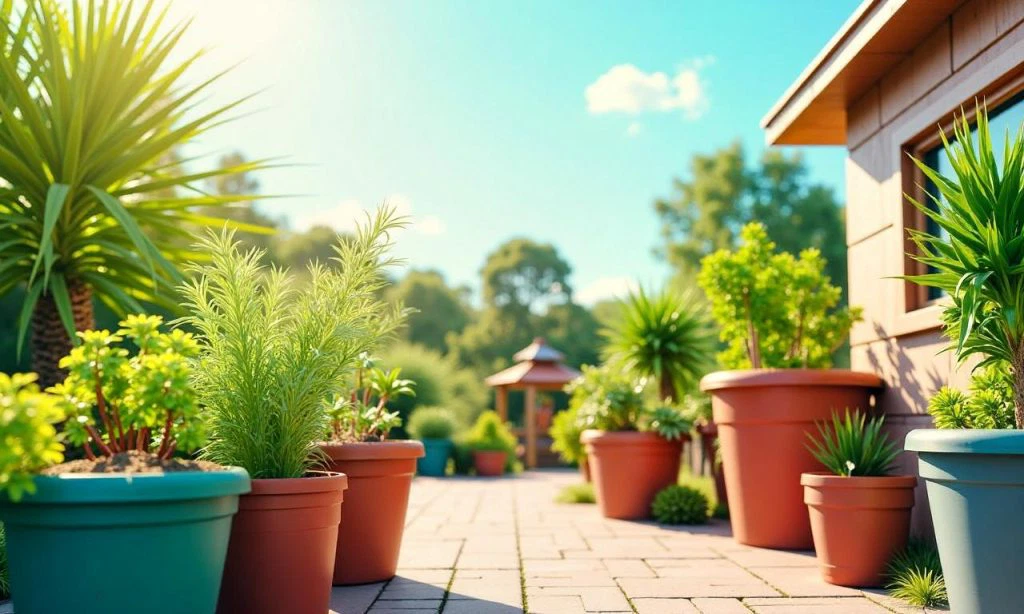
How to Set Up a Smart Garden: Easy Tips for Success
A smart garden is a game-changer for plant lovers and space-conscious growers alike. Whether you’re a beginner or an experienced gardener, knowing how to set up a smart garden can help you maximize efficiency, reduce effort, and enjoy healthier, more vibrant plants. By combining technology with traditional gardening methods, you can create a self-sustaining outdoor or indoor space that adapts to your plants’ needs. This guide provides step-by-step instructions to help you design, install, and maintain a smart garden with ease.
Choosing the Right Location
The first step in how to set up a smart garden is selecting an optimal location. Most plants require at least six hours of direct sunlight daily, so choose a spot that receives adequate light. If you’re growing indoors, position your smart garden near a south-facing window or use grow lights to simulate natural sunlight. Ensure the area has good drainage to prevent waterlogging, which can damage roots. Additionally, consider proximity to a water source to simplify irrigation setup.
Selecting the Right Plants
Once you’ve found the perfect location, choose plants that thrive in your climate and match your gardening goals. For beginners, opt for hardy, low-maintenance species like herbs, lettuce, or marigolds. These plants are resilient and require fewer interventions, making them ideal for a smart garden. If you’re aiming for a more advanced setup, experiment with fruit-bearing plants like tomatoes or peppers, which benefit from automated monitoring. Research the specific needs of each plant, such as soil type and watering frequency, to ensure compatibility with your smart garden system.
Setting Up Smart Irrigation Systems
Watering is a critical aspect of gardening, but it’s often a time-consuming task. Smart irrigation systems automate this process, saving you effort while conserving resources. Start by installing a drip irrigation system or a self-watering planter, which delivers water directly to plant roots. Connect the system to a smart controller that adjusts watering based on real-time data from soil moisture sensors. These sensors detect when plants need water and trigger the system accordingly. For added convenience, integrate the system with a smartphone app to monitor and control it remotely.
Optimizing Soil and Nutrients
Healthy soil is the foundation of a thriving smart garden. Use high-quality, well-draining soil enriched with organic matter like compost or aged manure to provide essential nutrients. For container gardens, mix potting soil with perlite or vermiculite to improve aeration. Regularly test the soil pH to ensure it’s within the ideal range for your chosen plants, typically between 6.0 and 7.5. Incorporate slow-release fertilizers or nutrient drippers to maintain consistent feeding without overwatering. This careful attention to soil health ensures your plants receive the right balance of nutrients for optimal growth.
Integrating Smart Technology
A smart garden relies on technology to monitor and adjust growing conditions. Invest in smart sensors that track temperature, humidity, and light levels, providing insights into your plants’ environment. Use smart planters with built-in sensors and automated features like self-watering and light adjustment. Pair these tools with a central hub or app that consolidates data and controls various systems from one interface. This integration allows you to customize settings for different plants and seasons, ensuring your garden adapts to changing conditions seamlessly.
Maintaining Your Smart Garden
Even with automation, regular maintenance is essential for a successful smart garden. Check sensors and irrigation systems weekly to ensure they’re functioning correctly and calibrate them as needed. Prune plants to encourage growth and remove dead leaves that could harbor pests or diseases. Monitor plant health through the app, looking for signs of stress or nutrient deficiencies. Adjust watering schedules or light exposure based on seasonal changes and plant maturity. By staying proactive, you’ll prevent common issues and extend the lifespan of your smart garden system.
Energy Efficiency and Sustainability
Smart gardens are not just convenient—they’re also eco-friendly. Use solar-powered sensors and controllers to reduce energy costs and minimize your carbon footprint. Opt for reusable containers and organic fertilizers to promote sustainability. Additionally, collect rainwater in a storage tank for irrigation, reducing reliance on tap water. These practices align with modern environmental goals while ensuring your garden remains cost-effective and efficient.
Troubleshooting Common Issues
Despite their benefits, smart gardens may encounter challenges. If plants show signs of wilting, check soil moisture levels and adjust the irrigation system. Yellowing leaves might indicate nutrient deficiencies, so review fertilizer schedules or add compost. Connectivity issues with your smart devices can be resolved by ensuring a strong Wi-Fi signal or using a local network. Regularly clean sensors to prevent dirt buildup, and inspect plants for pests using integrated pest monitoring tools. Addressing these issues promptly keeps your garden running smoothly.

Benefits of a Smart Garden
A smart garden offers numerous advantages over traditional setups. It reduces water waste by up to 50%, thanks to precise irrigation systems, and minimizes the risk of overwatering or underwatering. Automated monitoring ensures consistent plant health, even when you’re away for days. The convenience of remote control allows you to manage your garden from anywhere, while data tracking helps you refine your approach over time. These benefits make smart gardens ideal for urban dwellers, busy professionals, or anyone looking to grow plants with less effort.
Scaling Your Smart Garden
As your confidence grows, you can expand your smart garden by adding more sensors, planters, or even integrating AI-driven analytics. Start with a small setup, such as a few containers or a raised bed, and gradually increase complexity. Consider adding a weather station to predict rainfall or a pest control system to manage insects automatically. Modular designs allow for flexibility, so you can tailor your smart garden to your space and preferences. Scaling your system ensures long-term adaptability and growth.
Maximizing Productivity and Yield
Smart gardens are designed to boost productivity by optimizing growing conditions. Use data from sensors to adjust light exposure, temperature, and humidity, ensuring optimal growth for each plant. For fruiting or flowering species, set up timers and nutrient drippers to mimic natural cycles. Track plant development through the app and harvest at peak times for the best yield. These strategies not only increase the quantity of your harvest but also improve the quality of your produce, making your smart garden a rewarding investment.
Community and Learning Opportunities
Joining smart gardening communities can enhance your experience. Share tips, troubleshoot problems, and learn from others who have faced similar challenges. Online forums, YouTube tutorials, and social media groups offer valuable insights and support. As you grow, you’ll discover new techniques and innovations, such as AI-based plant health diagnostics or IoT-enabled soil monitoring. Continuous learning ensures your smart garden evolves with your skills and needs.
Final Thoughts
Setting up a smart garden requires careful planning and the right tools, but the benefits far outweigh the effort. By choosing the right location, selecting appropriate plants, and integrating technology, you can create a thriving, low-maintenance space that adapts to your plants’ needs. Regular maintenance and troubleshooting ensure long-term success, while energy-efficient practices and community support help you grow sustainably. With these steps, how to set up a smart garden becomes a manageable and rewarding journey, whether you’re growing herbs on a windowsill or cultivating vegetables in a backyard. FAQ Q: What is a smart garden? A: A smart garden uses technology like sensors and automated systems to monitor and adjust growing conditions for optimal plant health.
Q: How much does it cost to set up a smart garden? A: Costs vary, but a basic setup can start around $100–$200, while advanced systems may cost more.
Q: Can I set up a smart garden in a small space? A: Yes, vertical planters and compact smart systems make it possible to grow in limited spaces.
Q: What is the best smart technology for a garden? A: Start with soil sensors, smart irrigation, and grow lights—these tools provide the most value.
Q: How do I fix issues with my smart garden system? A: Regularly check sensors, update software, and consult online guides or community forums for troubleshooting.
