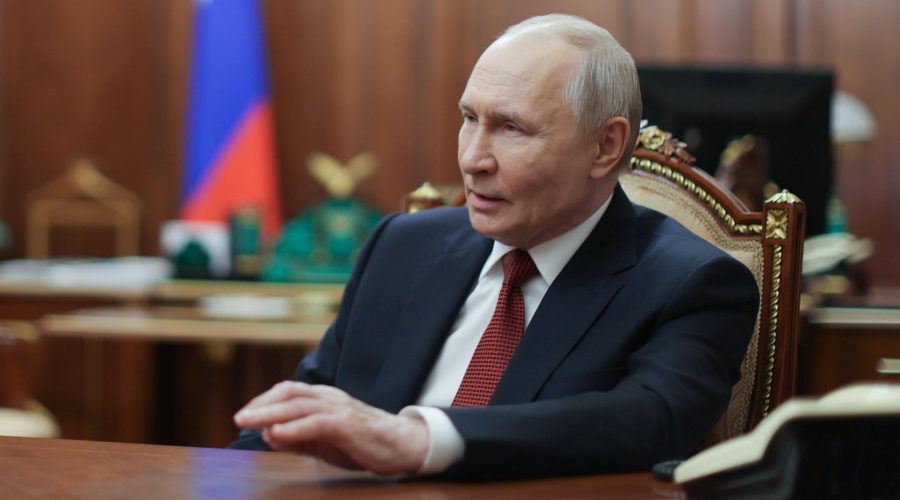
Putin Makes Rare Admission of Fuel Shortages Caused by Ukrainian Strikes
Putin makes rare admission of fuel – President Vladimir Putin has acknowledged for the first time that Ukraine’s attacks are contributing to fuel shortages across Russia, a development that signals a shift in the Kremlin’s public narrative. While he described the situation as “not critical,” the admission underscores the growing strain on Russia’s energy infrastructure and its impact on civilians. This rare transparency comes as Ukrainian strikes continue to target oil refineries and power stations, disrupting supply chains and creating logistical challenges in key regions.
Escalating Impact on Energy Infrastructure
For months, the effects of Ukrainian missile and drone strikes on Russia’s energy systems have been visible, from Moscow to the Black Sea region and beyond. Fuel rationing has become widespread, with long lines at gas stations and difficulties in accessing specific grades of petrol. In the Russia-annexed Ukrainian peninsula of Crimea, residents are restricted from refueling to prioritize military vehicles. This has led to a noticeable decrease in availability for civilian use, with some areas reporting only a few days of supply left.
“You’re well aware that problems persist for both motorists and businesses,” Putin told a meeting with senior officials and oil executives. “Unfortunately, there are still queues at petrol stations, and finding the right grade of petrol isn’t always easy.”
The crisis has forced the government to implement stricter measures, with 56 Russian regions currently enforcing fuel restrictions. These efforts highlight the extent of the disruption, as Ukraine’s strikes have damaged critical facilities, including refineries that are vital to the country’s energy output. Despite these challenges, Putin remains confident that the situation will improve, emphasizing the need to boost air defence production to protect infrastructure and expedite repairs to damaged facilities.
Strategic Importance of Crimea
The admission of fuel shortages in Crimea holds particular significance, given the region’s symbolic value to Russian leadership. Since 2014, Crimea has served as a military hub and a strategic foothold for controlling the Black Sea. It also played a pivotal role in the 2022 full-scale invasion of Ukraine. Putin’s mention of the limited supply there suggests a growing awareness of the peninsula’s vulnerabilities, even as he insists that the broader war effort remains on track.
Independent Russian outlet Mediazona reported that fuel restrictions are now in place across 56 regions, a stark contrast to the usual emphasis on stability and control in Kremlin communications. The situation has also sparked public complaints, such as reports of black rain following a major attack on an oil refinery. These incidents have heightened awareness of the tangible consequences of the conflict, pushing Putin to address the issue more directly than before.
Geopolitical Motivations Behind the Admissions
In a televised interview, Putin provided insight into his reasoning for being more open about the crisis. He argued that Ukraine’s attacks aim to divide Russian society, weaken public backing for the war, and create conditions favorable to negotiations. “We won’t give them that chance,” he said, asserting that Ukraine’s long-range strikes have “absolutely no impact on the situation at the front line.” This claim, however, contrasts with Kyiv’s perspective, which highlights the effectiveness of such attacks in bringing the war closer to Russian civilians and diverting resources from the front.
Recent months have seen Ukraine grow more confident, launching strikes deep into Russian territory and intensifying attacks on Crimea. The goal, according to Kyiv, is to inflict maximum casualties and pressure Moscow’s war strategy. Yet the Kremlin maintains its stance, stating that Russia’s plans remain unchanged: to push Ukrainian forces out of four south-eastern regions claimed as its own. “Our position is well known,” said press secretary Dmitry Peskov, reinforcing the regime’s determination.
Putin’s Strategic Narrative
Putin framed Ukraine’s attempts to negotiate as a tactic to “buy time” for Kyiv to regroup and rearm. He insisted that Russia’s counter-strikes into Ukrainian territory have been more effective, with greater impact and destructive power. “It is clear why this proposal is being made, because our counter-strikes deep into Ukrainian territory are much stronger, have greater impact and are, frankly, more destructive,” he stated. This rhetoric aims to justify the ongoing war effort while downplaying the challenges faced domestically.
Despite the fuel crisis, the Kremlin has not altered its military focus. Putin’s comments suggest that the strategic priority remains on securing Ukraine’s territory and maintaining the momentum of the war. However, the admission of shortages in Crimea and the broader logistical difficulties may signal a more pragmatic approach, even as the leader continues to emphasize Russia’s progress.
Analysts note that Putin’s openness reflects the increasing pressure from both the front lines and civilian life. The combination of Ukrainian strikes on energy infrastructure and the resulting public awareness has forced the leader to acknowledge the reality of the situation, even as he insists the war effort is advancing. This balance between transparency and defiance is a hallmark of his communication style, but the current context has necessitated a more candid tone.
As the conflict continues, the question remains whether Putin will adjust tactics in response to the worsening supply situation. While the admission of shortages marks a notable shift, it does not indicate a retreat from the broader war goals. Instead, it may serve as a strategic move to highlight Ukraine’s challenges while maintaining the narrative of Russian resilience and control. The coming months will be crucial in determining how effectively this approach mitigates the crisis and sustains public morale.