Ghana Halts South African President’s Visit Amid Anti-Migrant Protests
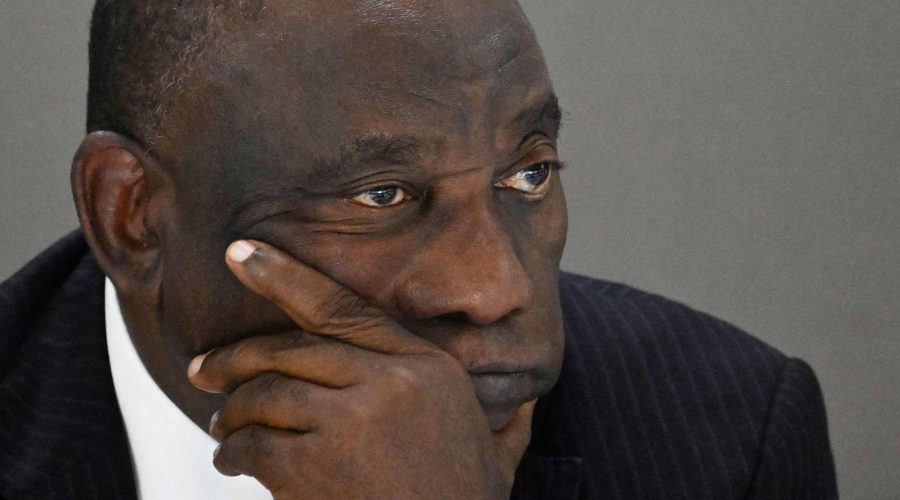
Ghana halts visit by South African – Ghana has postponed the state visit by South Africa’s President Cyril Ramaphosa, originally planned for early August. The decision follows escalating tensions over xenophobic violence, which has prompted hundreds of Ghanaians to return to their homeland. The visit was intended to foster diplomatic ties and ease recent conflicts, but concerns emerged that Ramaphosa’s presence could worsen public sentiment. The incident underscores the fragile state of relations between the two African nations amid a surge in anti-immigrant protests.
South Africa’s Diplomatic Strategy
According to Ghanaian government spokesperson Felix Kwakye Ofosu, the postponement was a strategic choice to avoid inflaming the xenophobic climate. ”We opted to delay the visit to ensure it aligns with the current political atmosphere in South Africa,” he explained. This follows a series of demonstrations targeting foreign nationals, particularly those from Ghana, Nigeria, and Malawi. The move raises questions about the effectiveness of high-level diplomacy in managing the crisis.
”Deferring the visit is a prudent step to address the ongoing xenophobia in South Africa,” Ofosu emphasized.
South African officials have maintained that the visit remains a priority, with presidential aide Vincent Magwenya asserting that ”diplomatic engagement will continue to strengthen bilateral cooperation.” However, the visit was not formalized as a state trip but rather as a series of meetings to promote regional collaboration. Despite this, the delay highlights the impact of public unrest on international relations.
Repatriation and Migration Tensions
The recent xenophobic riots have led to the repatriation of over 900 Ghanaians from South Africa. Accra’s authorities are concerned that the protests could worsen, prompting accelerated efforts to send citizens back. This trend is not exclusive to Ghana, as other African nations have also repatriated nationals affected by anti-migrant attacks. The situation has intensified with some groups demanding that undocumented migrants leave the country by 30 June, resulting in the return of approximately 25,000 individuals.
President Ramaphosa has defended the protests, acknowledging their role in expressing public frustration over migration. He argues that the government’s focus on irregular migration must remain steadfast. However, the debate over the legal status of migrants continues, with Ghana claiming most of its nationals in South Africa hold valid residency documents, while Pretoria disputes this claim. The lack of conclusive evidence has deepened the divide between the two nations.
Dispute Over Alleged Killings
The diplomatic rift has deepened following accusations that South African forces killed Bahiru Isak, a 40-year-old Ghanaian resident in Cape Town. Ghanaian officials allege his death occurred during anti-immigrant protests on 30 June, though South Africa’s justice minister rejects this, stating no such killing took place. The only Ghanaian fatality, they claim, was Kwabena Boagen, whose death they attribute to unrelated causes. This disagreement has fueled criticism of South Africa’s handling of the crisis.
”South Africa will continue to engage with Ghana through diplomatic channels to resolve the issue,” Magwenya said.
The incident has sparked broader concerns about the accuracy of information shared between the two countries. Ghana’s call for a fact-finding mission by the African Union reflects its demand for transparency in the migration crisis. The union has been urged to address xenophobia, which some argue contradicts its commitment to unity under the African Continental Free Trade Area.
Implications for African Unity
The controversy has reignited discussions about African solidarity, particularly in the context of historical movements against apartheid. Critics argue that xenophobic violence risks undermining this legacy of collective support. Meanwhile, analysts note that South Africa’s growing isolation within the continent could affect its regional influence. The repatriation of thousands of migrants has also raised concerns about the economic impact of anti-migrant sentiment on the country’s labor market and social cohesion.
As tensions persist, the delay of Ramaphosa’s visit serves as a symbol of the challenges facing African unity. The issue highlights how migration can become a flashpoint for national pride and political conflict, even among neighboring countries. With the African Union’s role in mediating disputes, the situation remains closely watched by both regional and international observers. The outcome will determine whether diplomatic efforts can bridge the divide or if the crisis escalates further.