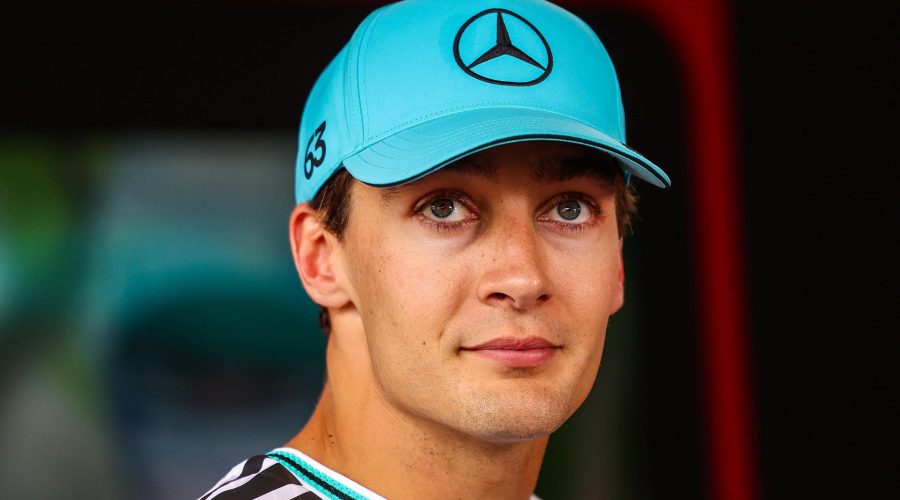
Monaco Grand Prix Pit-Lane Speeding Controversy: Five Drivers Penalized
Why were so many caught out – The Monaco Grand Prix, known for its tight streets and high-speed corners, delivered yet another dramatic chapter in its storied history. Amid the chaos of crashes, a red flag, and a fiercely contested race, five drivers found themselves penalized for exceeding the pit-lane speed limit. The incident raised questions about fairness, technology, and the fine line between skill and luck in Formula 1.
The Mechanics of Pit-Lane Speeding
At the heart of the controversy was the 60km/h speed limit for the pit lane, a rule designed to prevent dangerous speeds during pit stops. However, on Sunday’s race, this limit was exceeded by multiple cars, prompting a debate over whether the system itself was flawed or if drivers were simply exploiting its nuances. Ferrari’s Lewis Hamilton, Mercedes’ George Russell, McLaren’s Oscar Piastri, Alpine’s Pierre Gasly, and Franco Colapinto were all caught out, with the smallest margin of excess—0.1km/h—raising eyebrows across the paddock.
The issue stems from how the pit-lane speed limit is measured. Unlike traditional speed checks using radar guns, F1 relies on timing loops and on-car transponders to track speeds. This method calculates speed based on distance divided by time, which can lead to discrepancies if a driver’s path shortens slightly. For example, cutting across the white lines marking the fast lane could allow a car to technically stay within the limit while still appearing to exceed it.
Monaco’s unique layout amplifies this problem. The pit lane is narrow, with white lines defining the fast lane at both entry and exit. Drivers often navigate these lines with precision, and the subtle differences in route can affect the recorded speed. As Hamilton explained, “It’s not like I came in and didn’t press the button or something like that. The pit-lane limiter is on immediately.” He argued that the issue lies in the specific line taken, which has been a standard practice for years. “I was shocked to hear that I was speeding because I wasn’t actually above the speed,” he said, emphasizing the need for the FIA to review the system’s measurement criteria.
“It’s all about the distance and something that we really need to look into because I heard lots of people got that today and they probably weren’t really speeding.”
The FIA and teams discussed the matter throughout the weekend, with no consensus reached. While drivers insisted they adhered to the limit, the governing body’s calculations suggested otherwise. This discrepancy highlights the challenge of enforcing rules in a sport where milliseconds can determine outcomes.
Impact on the Race and Championship
The penalties had immediate consequences for race results. Charles Leclerc’s race ended abruptly after a crash in the final corner during a restart, allowing Lewis Hamilton to claim second place and close the gap in the drivers’ championship. However, the penalties also disrupted the flow of the race, with some drivers forced to stop and wait for extended periods—up to five or ten seconds—during their pit stops. For a track as short as Monaco, this delay could be costly, affecting tire management and lap times.
Mercedes, for instance, faced a significant setback when George Russell’s potential third-place finish was nullified due to a misstep in his safety-car period pit stop. The team failed to serve the penalty correctly, turning a promising result into no points. Similarly, Oscar Piastri lost ground in the standings, and Pierre Gasly relinquished a podium spot. These outcomes underscore the impact of a seemingly minor rule on the race’s dynamics.
The situation also sparked discussions about the fairness of the system. Drivers like Hamilton argued that the same line taken by everyone was the root cause, suggesting the problem isn’t their individual actions but the interpretation of the rules. “It’s just the way the pit lane is,” he reiterated, “and I’ve done this pit lane for years.” His comments reflect a broader sentiment among competitors, who feel the rules are being applied inconsistently.
The Right of Review: A Team’s Last Resort
Adding to the intrigue, Alpine requested a right of review for the speeding infractions, raising the question of how this process works. A right of review is essentially a formal appeal, allowing teams to challenge decisions made by the FIA. While it’s not a standard appeal, it’s a crucial tool for addressing penalties that seem unjust, particularly in cases where the rules are ambiguous.
The process requires teams to submit new evidence that wasn’t available at the time the penalty was issued. This can be challenging, as the FIA often dismisses claims unless the evidence is compelling. For example, if a team can demonstrate that the timing loops miscalculated a driver’s speed due to a specific route, the review might succeed. However, such evidence is rare, and even when present, the FIA may find technicalities to justify the original ruling.
Hamilton’s team, Ferrari, managed to offset his penalty during the safety-car period, showcasing the strategic importance of the review process. This move allowed Hamilton to maintain his position in the championship, while others like Piastri and Gasly felt the brunt of the rules. The outcome of Alpine’s review could set a precedent, potentially benefiting other drivers who believe they were unfairly penalized.
Monaco’s Grand Prix recap reveals a blend of brilliance and chaos. While Kimi Räikkönen secured his fifth consecutive win, the race was marred by incidents that tested both driver skill and team strategy. The pit-lane speeding controversy serves as a reminder of the complexities inherent in Formula 1, where technology and human interpretation collide. As the sport continues to evolve, such debates will remain central to its identity, ensuring that every rule is scrutinized as fiercely as every lap is contested.
The event also highlighted the importance of adapting to track-specific challenges. Monaco’s narrow pit lane and tight corners demand precision, and the rules must reflect this reality. Whether the current system is fair or needs refinement, the FIA faces pressure to address concerns before the next race, where similar situations could arise. For now, the Monaco GP remains a defining moment, blending the thrill of motorsport with the intricacies of its regulations.
As the championship progresses, the aftermath of the pit-lane penalties will linger. Drivers and teams will continue to analyze the data, advocating for adjustments that align with the sport’s traditions of exploiting fine margins. The Monaco GP, with its glittering backdrop and unpredictable twists, has once again proven that Formula 1 is as much about strategy and interpretation as it is about speed and skill.