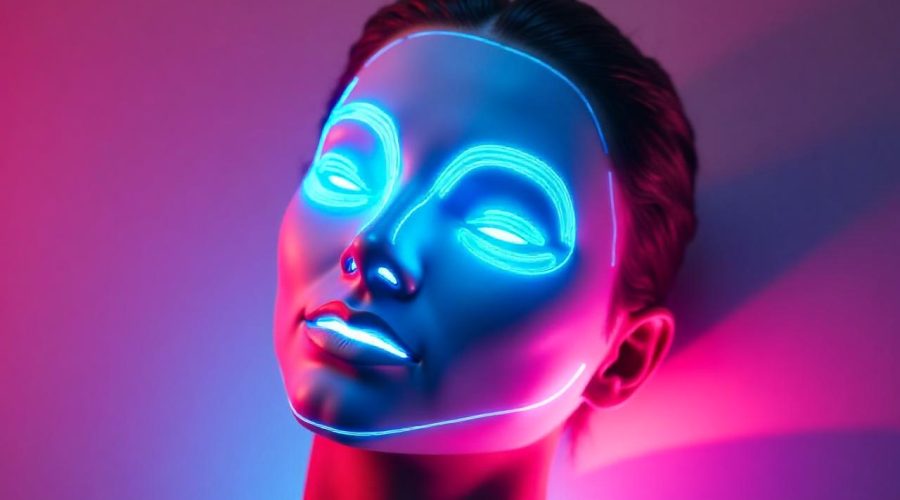
Beauty Pie’s LED Mask Adfaces Regulatory Scrutiny Over Skin Improvement Claims
Beauty Pie LED mask ad banned – The Advertising Standards Authority (ASA) recently ruled against an advertisement for Beauty Pie’s LED face mask, citing insufficient evidence to support its anti-wrinkle claims. The ad, which aired on the London Underground, asserted that the product was “clinically proven to reduce wrinkles in four weeks.” However, the regulatory body determined that the evidence provided by the brand did not meet the necessary standards to substantiate this assertion.
Beauty Pie, a direct-to-consumer cosmetics company, defends its product by emphasizing affordability. Its C-Wave Light Facial LED mask is priced at £199 for members or £299 for non-members, a cost the brand claims is significantly lower than comparable alternatives. Despite this, the ASA found the claim misleading. The ad also boasted that the mask was “skin tech that’s light years ahead,” a phrase the authority argued required robust, product-specific evidence to justify.
In response to the complaint, Beauty Pie cited a four-week trial involving 28 participants aged 30 to 65. The company reported that 92% of testers either agreed or strongly agreed that their “fine lines appear less visible” after using the device. However, the ASA highlighted critical flaws in the study’s methodology. It noted that the sample size was “relatively small,” raising doubts about the statistical reliability of the results. Additionally, the testing process lacked a placebo group, making it difficult to isolate the mask’s effects from other skincare practices.
LED technology, which the mask utilizes, is widely employed in medical treatments for conditions such as eczema, acne, psoriasis, and sun damage. While professional-grade devices are typically used in clinical settings, at-home LED products are gaining traction. According to Skyquest, a market analysis firm, the global LED skincare industry is projected to reach £600 million by 2032, reflecting growing consumer interest in accessible beauty tech.
Despite this popularity, dermatologists have questioned the efficacy of at-home LED masks. They pointed out that no large-scale clinical trials have been conducted over extended periods to confirm the long-term benefits of such devices. “The current evidence doesn’t conclusively prove the mask’s ability to reduce wrinkles in four weeks,” one expert told the BBC. This skepticism underscores the importance of rigorous testing, especially for products making bold health claims.
The ASA’s ruling also emphasized the role of external factors in the trial results. Testers were instructed to use an exfoliating product and a hydrogel alongside the mask, neither of which are included in the product’s packaging. This combination could have influenced the perceived effectiveness of the mask, leading the authority to conclude that the improvements in wrinkle appearance might not be solely attributable to the device itself.
Beauty Pie argued that sample sizes of 20 to 25 are commonly accepted by other regulatory bodies. The company presented additional studies as supporting evidence, but the ASA found these insufficient to validate the claim that the mask was “clinically proven” to reduce wrinkles in four weeks. The authority stressed that the trials needed to be more comprehensive, with larger groups and longer durations to ensure validity.
Furthermore, the ad’s language was scrutinized for its promotional tone. The phrase “light years ahead” was deemed hyperbolic without concrete data. The ASA urged Beauty Pie to provide more detailed, evidence-based information before making such claims. This decision serves as a cautionary example for brands entering the LED skincare market, emphasizing the need for transparency and scientific backing.
Beauty Pie’s membership model positions it as a luxury brand offering premium products at competitive prices. The company’s strategy targets consumers seeking high-quality skincare without the premium price tag of traditional brands. Yet, the ASA’s intervention highlights the challenges of balancing marketing appeal with factual accuracy. The ruling could impact how the brand positions its products in the future, potentially requiring revisions to its advertising claims.
Industry experts suggest that the ASA’s decision reflects a broader trend of regulatory scrutiny in the beauty sector. As more consumers turn to at-home treatments, brands must ensure their claims are grounded in solid research. “The line between marketing and science is thin, especially with emerging technologies,” said a skincare analyst. This case illustrates the necessity for brands to provide clear, verifiable evidence when promoting their products.
The ban on the ad is a significant moment for Beauty Pie, which has positioned itself as a disruptor in the cosmetics market. By combining affordable pricing with high-end formulas, the brand aims to attract a diverse customer base. However, the ASA’s findings indicate that even with a membership model, the company must adhere to strict evidentiary standards to maintain credibility.
In its statement, Beauty Pie acknowledged the limitations of its trial but maintained that the results were still meaningful. The company emphasized the positive feedback from testers, arguing that the mask’s effectiveness was evident. However, the ASA’s conclusion that the ad was misleading remains firm, requiring Beauty Pie to revise its claims or provide stronger evidence in future campaigns.
The case also raises questions about the regulatory framework for at-home LED devices. As the market expands, there may be calls for more standardized testing protocols. The ASA’s ruling sets a precedent for how such products should be marketed, ensuring that consumers are not misled by overpromised results. This development could influence other brands to refine their claims or invest in more comprehensive studies before launching new products.
Beauty Pie’s response to the ASA’s ruling included a commitment to improve its evidentiary practices. The company stated that it would “review its approach to demonstrating product effectiveness” to align with regulatory expectations. This pledge signals a willingness to adapt, though it remains to be seen how the brand will address the sample size issue in its future advertising.
Consumers, meanwhile, are left to weigh the potential benefits of LED masks against the need for rigorous proof. While some may still find value in the product, others might question the validity of its claims. The ASA’s intervention aims to protect informed decision-making, ensuring that marketing messages are not overreaching. This case serves as a reminder that even in the fast-paced world of beauty tech, accuracy and evidence are paramount.
As the LED skincare market continues to grow, regulatory bodies like the ASA will play a crucial role in maintaining standards. Beauty Pie’s experience highlights the challenges of navigating this space, where innovation and marketing often outpace scientific validation. The company’s future success may depend on its ability to bridge this gap, providing robust data to support its claims and restoring consumer trust.