Creating a wildlife-friendly garden is more than just a trend—it’s a meaningful way to support biodiversity, reduce environmental impact, and connect with nature. As urbanization expands, gardens have become crucial habitats for pollinators, birds, and small mammals. By implementing simple strategies, you can transform your outdoor space into a haven for wildlife while enjoying the beauty and serenity of a thriving ecosystem. This article provides a comprehensive guide on how to create a wildlife friendly garden, covering essential steps, practical tips, and sustainable practices to ensure long-term success. Whether you’re a seasoned gardener or a beginner, the following sections will equip you with the knowledge to design a garden that not only enhances your surroundings but also plays a vital role in preserving local wildlife. — Plan Your Garden Layout for Maximum Biodiversity Designing a wildlife-friendly garden starts with a thoughtful layout that mimics natural ecosystems. A well-planned garden creates a balanced environment where different species can coexist and thrive. By considering the needs of various wildlife, you can maximize the garden’s functionality while maintaining its aesthetic appeal. 1. Assess Your Garden’s Potential Before planting, evaluate your garden’s size, sunlight exposure, and soil type. This analysis helps you determine which plants will grow best and which wildlife species are likely to inhabit your space. For instance, a shaded area might attract shade-loving plants like ferns and mosses, which can provide shelter for small creatures. On the other hand, a sunny spot is ideal for flowering plants that attract bees and butterflies. Remember, every corner of your garden can serve a purpose, from a dry patch for insects to a water source for birds. 2. Incorporate Layers for Habitat Diversity A wildlife-friendly garden should have multiple layers—ground cover, shrubs, and trees—to create diverse microhabitats. This vertical structure supports a wide range of species, from ground-dwelling insects to canopy-dwelling birds. For example, tall grasses and wildflowers provide food and shelter for bees and butterflies, while taller shrubs and trees offer nesting sites for birds and small mammals. By layering your garden, you create a self-sustaining environment that mimics natural habitats, encouraging wildlife to settle and flourish. 3. Avoid Over-Cultivation Over-cultivated gardens often lack the natural elements that wildlife depends on. Leave patches of undisturbed soil, allow some areas to grow wild, and avoid frequent mowing. These small changes can create spaces for earthworms, beetles, and other beneficial organisms. Unmanaged areas also serve as natural refuges for hedgehogs, frogs, and lizards. Additionally, integrating natural elements like rocks, logs, and deadwood can provide hiding spots and breeding grounds for insects and small animals. — Select Native Plants to Support Local Ecosystems Native plants are the cornerstone of a wildlife-friendly garden, as they are adapted to the local climate, soil, and wildlife. These plants require less water, fertilizer, and pesticides, making them both eco-friendly and cost-effective. Moreover, they provide essential food and shelter for native insects, birds, and mammals. 1. Benefits of Native Plants Native plants form the foundation of local ecosystems, offering food for pollinators and shelter for wildlife. For example, wild geraniums (Geranium maculatum) support native bees, while black-eyed Susans (Rudbeckia hirta) attract butterflies and birds. By choosing native species, you reduce the risk of invasive plants outcompeting local flora and fauna. Native plants also improve soil health and reduce erosion, contributing to a more sustainable garden. 2. How to Identify Native Plants To select the right plants, research which species are indigenous to your region. Local botanical gardens, extension services, and gardening websites can provide reliable lists. For instance, in North America, asters (Symphyotrichum spp.) are native to many regions and provide nectar for bees, while milkweed (Asclepias spp.) is crucial for monarch butterflies. Italics can highlight plant names, such as Digitalis purpurea (foxglove), which supports hummingbirds and bees. By focusing on native plants, you ensure your garden is both ecologically sustainable and visually appealing. 3. Plant Diversity for Year-Round Support A mix of flowering plants, shrubs, and trees ensures that your garden supports wildlife throughout the year. Early-blooming flowers like snowdrops (Galanthus nivalis) provide sustenance for pollinators in spring, while autumn-blooming shrubs such as Cotoneaster offer food for birds and insects during fall. Planting a variety of species also attracts different types of wildlife, from bees and butterflies to birds and small mammals. This diversity strengthens the garden’s ecological resilience and ensures that it remains a welcoming space for nature throughout all seasons. — Add Water Features to Encourage Wildlife Activity Water is a vital resource for all living organisms, and incorporating water features into your garden can significantly enhance its appeal to wildlife. Whether it’s a small pond, birdbath, or stream, these elements attract a wide range of species and provide essential resources for survival. 1. Create a Habitat for Aquatic Life A pond or water garden can become a thriving ecosystem for frogs, dragonflies, and waterfowl. To support aquatic life, include a variety of plants like Water lilies (Nymphaea spp.) and Cattails (Typha spp.), which provide oxygen and shelter for fish and invertebrates. A shallow edge with rocks or logs allows amphibians and insects to access water safely. Adding a small waterfall or stream can also create a dynamic environment that attracts pollinators and birds. 2. Choose the Right Water Features Selecting the appropriate water feature depends on your garden’s size and purpose. A bird bath is ideal for attracting songbirds, while a mini pond can support a broader range of species, including frogs and insects. For larger gardens, a rainwater harvesting system not only provides a sustainable water source but also reduces runoff. Consider the size of your garden: small spaces can benefit from a bowl-shaped birdbath, while larger areas may accommodate a pond or fountain. Ensure the water source is accessible and visible to maximize its impact. 3. Maintain Water Features for Year-Round Use Regular maintenance is crucial to keep water features functional for wildlife. Change the water in birdbaths weekly to prevent algae buildup, and add floating plants to oxygenate ponds. In winter, leave water
How Ecotourism Benefits Conservation: Key Insights
How Ecotourism Benefits Conservation: Key Insights In an era where environmental degradation and biodiversity loss are pressing global challenges, how does ecotourism help conservation has become a critical question for sustainable development. Ecotourism, a niche form of travel that prioritizes environmental responsibility and cultural preservation, offers a unique approach to protecting ecosystems while simultaneously providing economic and educational benefits. By aligning tourism activities with conservation goals, ecotourism reduces the negative impacts of mass tourism and fosters a deeper connection between visitors and the natural world. This article explores the multifaceted ways ecotourism supports conservation efforts, highlights its long-term relevance, and provides actionable insights for maximizing its impact. — 1. Economic Contributions to Conservation One of the most significant ways how does ecotourism help conservation is through its economic benefits. By generating revenue for local communities and conservation organizations, ecotourism creates a financial incentive to protect natural habitats. Unlike traditional tourism, which often prioritizes short-term profits, ecotourism channels income back into the environment, ensuring that conservation efforts are sustained over time. 1.1. Generating Revenue for Protected Areas Ecotourism directly funds conservation initiatives by offering visitors a way to support environmental causes. For example, entrance fees to national parks and wildlife reserves can be reinvested into habitat restoration, anti-poaching measures, and research programs. In Costa Rica, ecotourism has become a cornerstone of conservation, with over 70% of the country’s land protected due to tourism-generated revenue. This model not only preserves biodiversity but also reduces the reliance on destructive industries like logging or mining. 1.2. Supporting Local Economies Economic benefits of ecotourism extend beyond conservation. Local communities often earn income from guiding tours, offering accommodations, or selling handmade crafts. This financial independence encourages them to take ownership of conservation efforts, as their livelihoods are tied to the health of the environment. In Kenya’s Maasai Mara region, ecotourism has created jobs for over 10,000 people, reducing pressure on natural resources and fostering a sense of stewardship. 1.3. Funding Research and Education The economic value of ecotourism also supports scientific research and environmental education. Conservation organizations often use tourism revenue to fund studies on endangered species, climate change, or ecosystem dynamics. These insights inform policy decisions and improve conservation strategies. Additionally, ecotourism provides funding for educational programs that teach visitors and local residents about sustainable practices, further embedding conservation into daily life. — 2. Education and Awareness through Immersive Experiences Ecotourism serves as a powerful tool for education and awareness, helping travelers understand the importance of conservation. By immersing visitors in natural environments, ecotourism fosters a sense of responsibility and encourages long-term environmental stewardship. 2.1. Hands-On Learning for Travelers Unlike conventional tourism, ecotourism emphasizes educational experiences. Guided tours often include lessons on local flora and fauna, traditional practices, and the threats facing ecosystems. For instance, in the Amazon rainforest, tourists participate in workshops on reforestation and learn about the role of indigenous communities in preserving biodiversity. These interactions deepen their appreciation for nature and motivate them to support conservation efforts beyond their trip. 2.2. Raising Awareness About Global Issues Immersive experiences in ecotourism expose visitors to real-world environmental challenges, such as deforestation, pollution, and climate change. By witnessing these issues firsthand, travelers gain a clearer understanding of their impact and the need for sustainable solutions. A study by the International Ecotourism Society found that 78% of ecotourists reported a greater awareness of environmental issues after their trips, highlighting the role of education in driving behavioral change. 2.3. Inspiring Long-Term Advocacy The knowledge gained through ecotourism can inspire travelers to become advocates for conservation. Many return home with a commitment to reducing their carbon footprint, supporting eco-friendly products, or donating to environmental causes. This ripple effect extends the benefits of ecotourism beyond the immediate destination, creating a global network of informed and engaged individuals. — 3. Community Involvement and Empowerment A key strength of ecotourism lies in its ability to involve local communities in conservation efforts. By ensuring that communities benefit economically from their environment, ecotourism reduces the incentives for exploitation and promotes long-term sustainability. 3.1. Creating Jobs and Economic Independence Local communities are often the first line of defense in protecting ecosystems. Ecotourism generates employment opportunities in areas such as hospitality, guiding, and environmental monitoring. In Bhutan, for example, the government guarantees that at least 50% of tourism revenue goes to the local population, ensuring that conservation aligns with their economic needs. This model prevents environmental degradation driven by poverty and provides a sustainable source of income. 3.2. Encouraging Cultural Preservation Ecotourism not only protects natural environments but also preserves cultural heritage. By supporting local traditions and languages, ecotourism ensures that indigenous knowledge and practices are passed down to future generations. In New Zealand, Maori-led ecotourism initiatives have helped maintain traditional ecological practices while educating visitors about the symbiotic relationship between culture and nature. 3.3. Fostering Collaboration Between Stakeholders Collaboration between governments, NGOs, and local communities is essential for effective conservation. Ecotourism facilitates this by creating platforms for shared decision-making. In Indonesia, community-based ecotourism projects in Borneo have allowed villages to co-manage wildlife reserves, leading to a 40% reduction in illegal logging activities. This partnership model ensures that conservation efforts are inclusive and responsive to local needs. — 4. Reduction of Environmental Impact Ecotourism minimizes the ecological footprint of tourism, addressing some of the most pressing environmental concerns. By promoting low-impact activities and sustainable practices, it helps preserve natural resources while still allowing for meaningful engagement with the environment. 4.1. Lower Carbon Footprint Traditional tourism often relies on large-scale infrastructure, such as highways, airports, and hotels, which contribute significantly to carbon emissions. Ecotourism, on the other hand, encourages eco-friendly transportation, such as hiking or biking, and promotes energy-efficient practices. A 2022 report by the United Nations World Tourism Organization (UNWTO) highlighted that eco-tours in remote areas reduced per capita carbon emissions by up to 60% compared to conventional travel. 4.2. Sustainable Waste Management Ecotourism emphasizes waste reduction and recycling, ensuring that tourist activities do not harm the environment. Many eco-lodges and tour operators use
Washington vs Michigan: No Kings in College Football?
In the ever-evolving landscape of College Football, the phrase "no kings" has become a rallying cry for fans and analysts alike, signaling a shift away from the traditional powerhouses like LSU and Alabama. The LSU vs Vanderbilt matchup in 2023 was a microcosm of this trend, showcasing how even established programs can face challenges from underdogs. But it's the Washington vs Michigan showdown that has truly ignited discussions about the new era of competition in college football. As these two teams vie for supremacy, their rivalry raises questions about whether the old guard still holds the crown—or if the title is up for grabs. This article dives deep into the Washington vs Michigan game, exploring its significance, the strategic dynamics at play, and the broader implications for the College Football Playoff and national rankings. The Evolution of College Football Rivalries The Traditional Powerhouses: LSU, Alabama, and the Rise of New Contenders For decades, the College Football Playoff has been dominated by a handful of elite programs, with LSU and Alabama often leading the charge. These teams have built unparalleled legacies through consistent success, iconic coaching, and deep-rooted traditions. However, the LSU vs Vanderbilt game in 2023 highlighted a growing trend: traditional powerhouses are no longer invincible. While LSU remains a perennial contender, Vanderbilt‘s underdog performance underscored the potential for upsets in a highly competitive season. The Emergence of Washington and Michigan as Powerhouses In recent years, Washington and Michigan have become two of the most formidable programs in college football. Both teams have leveraged modern strategies, star athletes, and innovative coaching to challenge the old guard. The Washington vs Michigan matchup is not just a game—it’s a statement of intent in a season where no single team seems to dominate. This rivalry has taken on national significance, with fans and analysts eagerly watching for signs of who will claim the top spot. The Growing Uncertainty in the College Football Hierarchy The "no kings" sentiment is now more than just a buzzword; it reflects a fundamental change in how college football is structured. With the College Football Playoff expanding to 12 teams, bigger competition has allowed programs like Washington and Michigan to rise. The LSU vs Vanderbilt game exemplified this shift, as underdog teams are now threatening the status quo. This new era of parity has made every game a potential turning point, especially the high-stakes Washington vs Michigan showdown. Analyzing the Matchup: Washington vs Michigan Comparing Team Strengths and Weaknesses Washington and Michigan are two of the most well-rounded programs in college football, but their strengths and weaknesses differ in key ways. Washington has built its reputation on offensive innovation and speed, with a high-powered passing game and a dynamic running back corps. Their defense, while occasionally shaky, has shown improvement in recent years, particularly under head coach Chris Petersen. On the other hand, Michigan has dominated with its physical defense and dominant running game, led by QB Penny Morris and RB Blake Williams. Both teams have tough defenses, but Michigan’s sacks per game (12.1 in 2023) and Washington’s interception rate (15.3%) are statistical highlights. Strategic Approaches on the Field The Washington vs Michigan matchup is expected to be a battle of styles, with each team bringing its own tactical approach. Washington will likely focus on speed and spread offenses, trying to exploit Michigan’s defense with quick passes and explosive plays. Their QB Jake Bobb is known for his precision and mobility, making him a threat in the red zone. Michigan, however, will aim to control the tempo with a balanced attack, using Morris’s pocket presence and Williams’s power running to pressure Washington’s defense. The coaching staffs—including Michigan’s Jim Bobb and Washington’s Chris Petersen—will play a critical role in adapting to the opponent’s strategy. The Psychological Impact of High-Stakes Games High-stakes games like Washington vs Michigan are more than just physical battles; they are psychological tests for both teams. Washington is driven by momentum after a strong 2023 season, with a 12-2 record and national title aspirations. Michigan, on the other hand, is fueled by tradition and a 10-3 record, aiming to solidify its position as a top contender. The pressure of the College Football Playoff looms large, and losing this game could determine a team’s playoff fate. Winning would boost confidence and send a message to the rest of the league. Historical Context of the Teams Washington's Rise to the Forefront Washington has come a long way from its early years as a mid-major program. The 2013 "Upset Bowl" against LSU marked a watershed moment, as the Huskies defeated the defending national champions in a highly anticipated matchup. Since then, Washington has consistently ranked in the top 10 and challenged the powerhouses in the College Football Playoff. Their 2023 season was especially impressive, with dominant performances against top-ranked teams and a chance to claim a national title. Michigan's Legacy of Excellence Michigan has long been a powerhouse, with a history of success dating back to the 1980s. The 2010s saw a renaissance, as the Wolverines reclaimed their dominance in the Big Ten and nearly reached the College Football Playoff. Their 2023 season continued this tradition of excellence, with a 10-3 record and a highly competitive finish in the Big Ten Conference. The 2023 "Washington vs Michigan" game is part of this legacy, as both teams have earned their places in the national conversation. Performance in the Current Season Recent Matchups and Key Statistics In the 2023 season, Washington and Michigan have both exceeded expectations, with Washington showing remarkable consistency and Michigan maintaining elite-level performance. Washington’s offensive efficiency (yards per game: 450.2) and QB Jake Bobb’s passing yards (1,500+ in 2023) have been standout factors. Meanwhile, Michigan’s defensive rankings (third in the nation in tackles for loss) and RB Blake Williams’ 1,200 rushing yards have solidified their dominance. The LSU vs Vanderbilt game, though not directly related, mirrors this trend of underdogs rising. The Role of Coaching and Leadership Coaching has been central to both teams’ success in 2023.
How to Reduce Carbon Footprint at Home: 10 Eco-Friendly Tips
How to Reduce Carbon Footprint at Home: 10 Eco-Friendly Tips As the world grapples with the urgent need to combat climate change, individual actions play a crucial role in reducing carbon footprint. Every day, households contribute to greenhouse gas emissions through energy use, waste generation, and transportation. However, by making small yet impactful changes, how to reduce carbon footprint at home can become a powerful tool in the fight against environmental degradation. From switching to energy-efficient appliances to adopting sustainable habits, there are numerous eco-friendly tips that can help you minimize your environmental impact while saving money and improving your quality of life. This article will guide you through 10 effective ways to reduce carbon footprint at home, ensuring that your efforts are both practical and long-term. — 1. Optimize Energy Use for Maximum Efficiency Energy consumption is one of the largest contributors to household carbon footprint. By making smart choices about how you use energy, you can significantly reduce your environmental impact. Start by identifying the most energy-intensive activities in your home, such as heating, cooling, and lighting. Addressing these areas with sustainable solutions can lead to long-term savings and a healthier planet. The first step in how to reduce carbon footprint at home is to audit your energy usage. Use a smart meter or energy monitoring app to track your consumption patterns and spot inefficiencies. Once you know where your energy is being used, you can prioritize improvements. For example, upgrading to energy-efficient lighting is a simple yet impactful change. LED bulbs use up to 80% less energy than traditional incandescent bulbs and last much longer, reducing both your electricity bill and carbon emissions. Another key aspect is reducing the reliance on fossil fuels. Consider switching to renewable energy sources like solar power or wind energy. Many countries now offer incentives for installing solar panels, making it more affordable than ever. Additionally, adopting energy-saving habits such as unplugging devices when not in use or using programmable thermostats can cut down on unnecessary energy consumption. These small steps add up, contributing to a measurable reduction in your carbon footprint. 1.1. Use LED Lighting LED lighting is one of the simplest and most effective eco-friendly tips for reducing energy use. Unlike traditional incandescent bulbs, LEDs produce the same amount of light while using significantly less power. This efficiency not only lowers electricity bills but also reduces the demand for energy generation, which in turn cuts carbon emissions. To maximize the benefits of LED lighting, replace all outdated bulbs in your home with energy-efficient alternatives. Ensure that you choose the right color temperature and brightness for different rooms, as over-lighting can waste energy. Moreover, pair LEDs with motion sensors or timers to further reduce consumption. These strategies make LED lighting a cornerstone of sustainable home practices. 1.2. Optimize Heating and Cooling Systems Heating and cooling account for a large portion of a household’s energy use. Optimizing these systems can drastically reduce your carbon footprint. Start by sealing windows and doors to prevent drafts, which keep your home at the right temperature without overworking the HVAC system. Investing in a programmable thermostat is another effective step. These devices allow you to set specific temperatures for different times of the day, reducing energy waste when you’re away or asleep. Additionally, regular maintenance of your heating and cooling systems ensures they operate at peak efficiency. Replace air filters, clean coils, and check for leaks to lower energy consumption. These actions not only save money but also contribute to a more sustainable carbon footprint. 1.3. Upgrade to Energy-Efficient Appliances Modern appliances are designed to use less energy while performing the same tasks as their older counterparts. Upgrading to energy-efficient appliances is a smart eco-friendly tip that can have a lasting impact on your carbon footprint. Look for appliances with the Energy Star label, which guarantees they meet strict energy efficiency guidelines. When choosing new appliances, prioritize models with high energy ratings. For instance, an Energy Star-certified refrigerator uses about 15% less energy than a standard model. Similarly, induction stoves and smart washing machines can reduce energy consumption by up to 50%. These upgrades not only save money in the long run but also align with global efforts to reduce carbon emissions. — 2. Conserve Water to Lower Environmental Impact Water conservation is another vital component of how to reduce carbon footprint at home. The process of treating and distributing water requires significant energy, contributing to carbon emissions. By reducing water usage, you not only save on utility bills but also help preserve natural resources. One of the most straightforward eco-friendly tips is fixing leaks. A single dripping tap can waste hundreds of gallons of water per year, which translates to increased energy use for pumping and heating. Regularly check for leaks in pipes, faucets, and toilets, and address them promptly. Additionally, install water-saving fixtures like low-flow showerheads and aerators on faucets to reduce consumption without compromising performance. Another way to conserve water is by adopting mindful habits in daily routines. For example, turning off the tap while brushing teeth or shaving can save several gallons of water each day. Similarly, using a rainwater harvesting system can provide an alternative water source for gardening or cleaning. These small adjustments in how to reduce carbon footprint at home can lead to significant long-term benefits. 2.1. Fix Leaks and Drips Leaks are often underestimated but can have a major impact on water usage. A dripping faucet, for instance, can waste up to 2,700 gallons of water per year, which is equivalent to the water used by a single person for 200 days. Fixing leaks is a low-cost solution that prevents this waste and reduces the energy needed to treat and pump water. To identify leaks, check for water pooling around pipes or dripping sounds during quiet moments. For a dripping tap, replacing the washer or cartridge in the faucet can often fix the issue. For more persistent leaks, consult a plumber to inspect and repair the system.
Understanding Ecotourism vs. Mass Tourism: Key Differences
Understanding Ecotourism vs. Mass Tourism: Key Differences In today's rapidly evolving travel industry, the distinction between ecotourism and mass tourism has become increasingly vital. While both offer unique experiences, they differ significantly in their approach, impact, and long-term benefits. This article explores the key differences between ecotourism and mass tourism, highlighting their core principles, environmental and cultural effects, economic implications, and sustainability practices. By understanding these contrasts, travelers, businesses, and policymakers can make informed decisions that align with their goals and values. — H2: Definitions and Core Principles H3: 1. What is Ecotourism? Ecotourism is a form of tourism that focuses on responsible travel to natural areas, conserving the environment, and improving the well-being of local communities. It emphasizes minimal environmental impact, education, and the preservation of natural and cultural heritage. The core principles of ecotourism are rooted in sustainability, where travelers engage in activities that support conservation efforts and promote cultural awareness. Unlike traditional tourism, ecotourism often involves smaller groups, guided tours, and a deeper connection to the environment. H3: 2. What is Mass Tourism? Mass tourism, on the other hand, refers to the large-scale, commercialized form of travel that caters to a broad audience. It is characterized by high volumes of visitors, standardized services, and a focus on accessibility and affordability. Mass tourism often prioritizes convenience, entertainment, and economic growth, sometimes at the expense of environmental and cultural preservation. This type of tourism is driven by demand for widespread experiences, such as beach holidays or city sightseeing, and relies on infrastructure to support large numbers of tourists. H3: 3. The Philosophical Divide The difference between ecotourism and mass tourism lies in their underlying philosophies. Ecotourism is often seen as a response to the environmental degradation caused by mass tourism, which has led to overexploitation of natural resources, pollution, and cultural homogenization. While mass tourism emphasizes economic gains and convenience, ecotourism prioritizes education, conservation, and the quality of the traveler experience. This philosophical divide shapes their operational models, impact on local ecosystems, and the communities they serve. — H2: Environmental Impact H3: 1. Ecotourism's Eco-Friendly Practices One of the most significant advantages of ecotourism is its focus on minimizing environmental harm. Activities in ecotourism are typically designed to leave minimal ecological footprints, such as using renewable energy, reducing waste, and promoting low-impact transportation. For example, many ecotourism destinations encourage visitors to use bicycles, electric vehicles, or public transport instead of fossil fuel-powered options. This approach helps preserve biodiversity, protect fragile ecosystems, and reduce carbon emissions. H3: 2. Mass Tourism's Environmental Challenges In contrast, mass tourism often leads to environmental degradation due to its scale and intensity. High tourist numbers can strain natural resources, such as water and energy, and contribute to pollution through increased waste and emissions. For instance, popular beaches and national parks frequently face issues like plastic waste, habitat destruction, and overfishing caused by the influx of visitors. The difference between ecotourism and mass tourism is also evident in their carbon footprints: while ecotourism seeks to offset emissions, mass tourism often results in significant greenhouse gas emissions from air travel and large-scale infrastructure development. H3: 3. Case Studies and Statistics A comparative analysis of environmental impact reveals stark contrasts. According to a 2023 report by the World Tourism Organization, mass tourism accounts for 1.6% of global carbon emissions, primarily due to transportation and accommodation. Meanwhile, ecotourism is estimated to generate up to 50% less carbon emissions than traditional tourism. For example, Costa Rica, a leader in ecotourism, has managed to maintain its rainforests while boosting tourism revenue, whereas destinations like Bali have struggled with environmental challenges due to mass tourism. Aspect Ecotourism Mass Tourism Carbon Footprint Low to moderate (focus on sustainability) High (due to large-scale infrastructure) Resource Use Minimal (efficient and eco-friendly) High (resource-intensive) Biodiversity Impact Positive (conservation efforts) Negative (habitat destruction) Pollution Reduced (eco-conscious practices) Increased (plastic waste, air pollution) — H2: Economic Implications H3: 1. Revenue Generation in Mass Tourism Mass tourism drives significant economic growth by attracting large numbers of visitors to popular destinations. This form of tourism generates substantial revenue through hotels, restaurants, transportation, and retail. For example, in countries like France and Spain, mass tourism contributes billions to the GDP annually. However, the economic benefits are often unevenly distributed, with profits concentrated in the hands of large corporations rather than local communities. H3: 2. Ecotourism's Sustainable Income Model While ecotourism may generate less revenue per visitor than mass tourism, it fosters long-term economic stability through sustainable practices. By investing in local businesses and involving community members in tourism activities, ecotourism ensures that profits circulate within the local economy. This model also encourages the development of eco-friendly infrastructure, such as solar-powered lodges or organic farms, which can create jobs and support local industries. H3: 3. Cost-Benefit Analysis The difference between ecotourism and mass tourism also extends to their cost-benefit ratios. Mass tourism can lead to short-term economic gains but often requires significant investment in infrastructure, which may strain public resources. In contrast, ecotourism typically requires smaller investments and focuses on long-term value creation. For instance, a 2022 study found that ecotourism can generate 30% higher economic returns in rural areas compared to mass tourism, as it sustains local employment and preserves natural assets. — H2: Sustainability Practices H3: 1. Long-Term Preservation A defining feature of ecotourism is its commitment to long-term preservation. This includes protecting natural habitats, promoting wildlife conservation, and reducing the use of non-renewable resources. Many ecotourism initiatives partner with local governments and NGOs to implement conservation programs, such as reforestation projects or protected area management. By prioritizing sustainability, ecotourism aims to leave a legacy of environmental stewardship for future generations. H3: 2. Community Involvement Ecotourism emphasizes community involvement, ensuring that local residents benefit from tourism activities. This can take the form of cooperative ventures, where communities own and manage tourism enterprises, or cultural exchanges that allow visitors to learn from indigenous practices. For example, in the Amazon rainforest, ecotourism projects often employ local guides and provide training in
What Are the Main Threats to Coral Reefs? Environmental Risks Explained
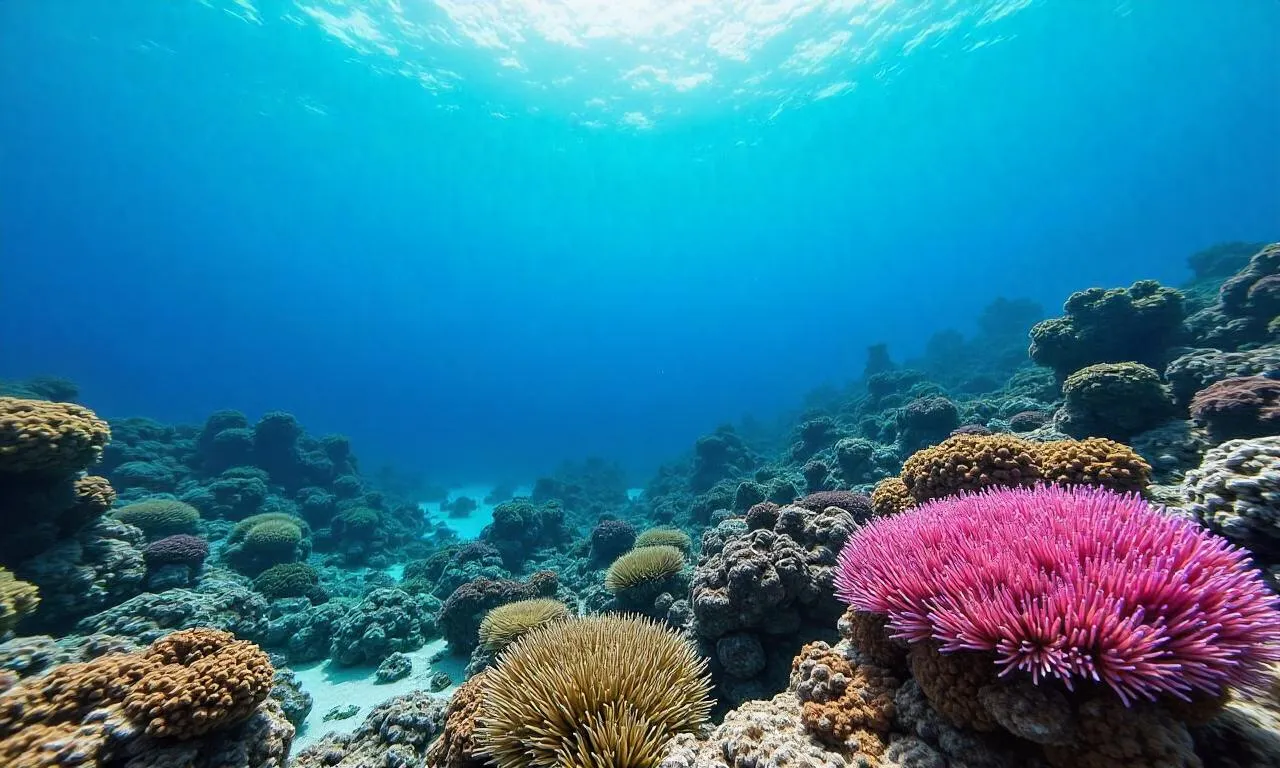
What Are the Main Threats to Coral Reefs? Environmental Risks Explained Coral reefs are among the most biodiverse ecosystems on the planet, supporting millions of marine species and providing critical services to coastal communities. However, what are the main threats to coral reefs have accelerated their decline over the past few decades, putting these natural wonders at risk of disappearing entirely. From rising sea temperatures to pollution and human activity, the challenges facing coral reefs are multifaceted and interconnected. This article explores the key environmental risks that threaten coral reefs, breaking down each danger in detail to provide a comprehensive understanding of the issues at hand. By analyzing these threats, we can better appreciate their impact and the urgency of protecting these vital ecosystems. — 1. Climate Change and Ocean Warming Climate change is arguably the most pressing threat to coral reefs, with its far-reaching effects on marine environments. The main threats to coral reefs include increased sea temperatures, ocean acidification, and the frequency of extreme weather events. These factors work together to destabilize the delicate balance of reef ecosystems, leading to widespread damage. 1.1. Rising Sea Temperatures The first and most visible threat is the rising sea temperatures caused by global warming. Coral reefs are highly sensitive to temperature changes, with even a 1°C increase triggering stress responses. When water temperatures exceed the threshold that corals can tolerate, they expel the symbiotic algae (zooxanthellae) that provide them with energy through photosynthesis. This process, known as coral bleaching, leaves the coral skeletal and vulnerable to death. According to the National Oceanic and Atmospheric Administration (NOAA), over 50% of the world's coral reefs have been lost in the last 30 years, largely due to repeated bleaching events. The 2016-2017 mass bleaching event, for example, affected 93% of the Great Barrier Reef, highlighting the severity of the issue. 1.2. Ocean Acidification Another consequence of climate change is ocean acidification, a result of increased carbon dioxide (COâ‚‚) absorption by seawater. As COâ‚‚ dissolves in the ocean, it forms carbonic acid, lowering the pH of seawater and making it harder for corals to build their calcium carbonate skeletons. This weakening of coral structures reduces their ability to withstand physical damage and supports fewer marine organisms. A study published in Science in 2023 found that ocean acidification has reduced coral calcification rates by up to 15% since the Industrial Revolution, further compounding the challenges posed by warming waters. 1.3. Extreme Weather Events Climate change also intensifies extreme weather events such as hurricanes, typhoons, and storm surges. These events can physically damage coral reefs by breaking coral colonies and stirring up sediments that block sunlight. The combination of these impacts with the effects of ocean warming creates a feedback loop that accelerates reef degradation. For instance, the 2020 Atlantic hurricane season was the most active on record, with storms like Laura and Delta causing extensive damage to Caribbean reefs. — 2. Pollution and Waste Accumulation Pollution is a significant main threat to coral reefs, contributing to both direct and indirect harm. The primary sources of pollution include agricultural runoff, plastic waste, and chemical contaminants, all of which degrade water quality and disrupt reef ecosystems. 2.1. Nutrient Runoff One of the most damaging forms of pollution is nutrient runoff, which occurs when fertilizers, pesticides, and sediments from land-based activities flow into coastal waters. This influx of nutrients leads to algal blooms, which can smother corals by blocking sunlight and depleting oxygen levels in the water. The Gulf of Mexico's "dead zone", caused by nutrient-rich runoff from the Mississippi River, serves as a stark example of how land-based pollution can devastate marine habitats. In this region, coral reefs and seagrass beds have declined by over 70% due to prolonged exposure to excess nutrients. 2.2. Plastic Pollution Plastic waste is another critical threat, with coral reefs being the third most polluted marine ecosystem after the open ocean and the Arctic. Plastics can entangle marine life, introduce toxic chemicals into the water, and release microplastics that are ingested by reef organisms. A 2022 report by the Ocean Cleanup found that plastic waste accounts for 11% of the total marine debris in coral reef areas, with some reefs hosting plastic particles in concentrations up to 200,000 pieces per square meter. This accumulation not only affects coral health but also disrupts the entire food chain. — 3. Overfishing and Habitat Destruction Overfishing and destructive fishing practices are main threats to coral reefs that disrupt the ecological balance and weaken reef resilience. When key species are removed from the ecosystem, it can lead to cascading effects that harm coral growth and survival. 3.1. Overfishing Overfishing removes essential species that help maintain reef health, such as herbivorous fish that control algae growth. Without these fish, algae can overtake corals, leading to reef degradation. For example, the Great Barrier Reef has seen a 40% decline in fish populations over the past 50 years due to overfishing and habitat loss. This reduction not only impacts coral growth but also threatens the livelihoods of millions of people who depend on reef fisheries. 3.2. Bottom Trawling and Destructive Fishing Techniques In addition to overfishing, bottom trawling—a method that drags heavy nets across the seafloor—can destroy coral structures and damage the habitat. This practice is particularly harmful in shallow waters where coral reefs are often found. A 2021 study by the United Nations Environment Programme (UNEP) revealed that bottom trawling accounts for 10% of global fish catch but damages up to 90% of the seafloor in affected areas. Other destructive techniques, such as cyanide fishing and dynamite fishing, also contribute to reef damage by physically breaking coral colonies and poisoning marine life. — 4. Coastal Development and Human Activities Coastal development, including construction, tourism, and industrial activities, poses a direct threat to coral reefs. These activities increase sedimentation, reduce water quality, and alter natural habitats, all of which have detrimental effects on reef ecosystems. 4.1. Sedimentation and Coastal Construction When land is developed for urban expansion, agriculture, or
The Devastating Effects of Ocean Plastic on Marine Life
Of course. As an SEO expert, I will create a comprehensive, engaging, and unique article optimized for search engines and long-term relevance, following all your instructions. Here is the article: — The vast, blue expanse of our oceans, a source of life, wonder, and sustenance, is choking. A silent and pervasive invasion of plastic debris is transforming these vibrant ecosystems into hazardous obstacle courses for the creatures that call them home. From the sunlit surface to the darkest abyssal plains, the evidence is undeniable and heartbreaking. Understanding the full spectrum of the effects of plastic pollution on marine life is not just an academic exercise; it is a critical step in confronting one of the most pressing environmental crises of our generation. This plague, born of human convenience, now threatens the very fabric of marine biodiversity, creating a ripple effect that ultimately reaches our own shores and dinner plates. The Scope of Ocean Plastic Pollution: A Crisis Unfolding Before delving into the specific impacts on wildlife, it's crucial to grasp the sheer scale of the problem. It is estimated that a staggering 8 to 14 million metric tons of plastic enter our oceans every single year. To visualize this, imagine a garbage truck's worth of plastic being dumped into the sea every minute of every day. This relentless influx is a result of inadequate waste management systems on land, industrial runoff, littered coastlines, and direct dumping from marine vessels. Once in the water, this plastic doesn't simply disappear; it embarks on a journey that can last for centuries. The persistence of plastic is its most sinister quality. Unlike organic materials, it does not biodegrade. Instead, it breaks down into smaller and smaller pieces through photodegradation (exposure to sunlight) and physical abrasion. This process transforms large, visible items like bottles and bags into microplastics—fragments less than five millimeters in size—and eventually nanoplastics. These fragments are carried by ocean currents across vast distances, accumulating in massive rotating currents known as gyres. The most infamous of these is the Great Pacific Garbage Patch, a concentration of debris spanning an area more than twice the size of Texas. This global distribution means that no corner of the ocean is safe. Plastic waste has been discovered in the most remote locations imaginable, from the pristine ice of the Arctic to the crushing depths of the Mariana Trench, the deepest point on Earth. It is a constant, physical, and chemical presence that marine organisms cannot escape. The crisis is not a future problem; it is a present and escalating reality, with the total volume of plastic in the oceans projected to outweigh all the fish by 2050 if current trends continue. This sets the stage for a cascade of devastating consequences for all forms of sea life. Direct Physical Threats: Entanglement and Ingestion The most visible and gut-wrenching effects of plastic pollution are the direct physical harms it inflicts upon marine animals. These threats primarily fall into two categories: entanglement in larger debris and ingestion of plastic pieces mistaken for food. Both can be acutely lethal, causing slow and painful deaths, and they affect a wide array of species, from the smallest invertebrates to the largest whales. These incidents are not rare; they are a daily occurrence in every ocean around the world. Entanglement happens when an animal becomes trapped in plastic debris. Common culprits include discarded fishing nets (often called "ghost nets"), six-pack rings, plastic bags, and packing straps. Animals like sea turtles, seals, sea lions, dolphins, and whales are particularly vulnerable. They may swim into a floating net or get a ring stuck around their neck or flipper. The initial entanglement is just the beginning of a prolonged period of suffering that often leads to a tragic end. Ingestion occurs when an animal consumes plastic, either intentionally by mistaking it for prey or unintentionally while feeding on other organisms. A sea turtle might mistake a floating plastic bag for a jellyfish, its primary food source. A seabird might scoop up brightly colored bottle caps, thinking they are fish or squid. Filter feeders like barnacles and mussels, which process large volumes of water, passively consume vast quantities of microplastics. This mistaken identity has severe and often fatal consequences for the animal's digestive system and overall health. The Lethal Trap of Entanglement Once an animal is entangled, it faces a multitude of life-threatening challenges. The plastic can act like a straitjacket, restricting movement and making it impossible to swim, hunt for food, or escape from predators. This leads to exhaustion, malnutrition, and increased vulnerability. For air-breathing animals like turtles and marine mammals, becoming entangled in heavy debris can prevent them from reaching the surface, resulting in drowning. A ghost net, for instance, can continue to "fish" for decades, indiscriminately trapping and killing countless animals. The physical injuries caused by entanglement are horrific. As an animal grows, a constricting piece of plastic like a packing strap or ring will not expand with it, cutting deep into the flesh. These lacerations can cause severe infections, blood loss, and immense pain. In some cases, the entanglement can lead to amputation of a limb or flipper, severely compromising the animal's ability to survive in the wild. Even if an animal manages to survive, the chronic stress and injuries can weaken its immune system and reduce its reproductive success, impacting the entire population over time. Ingestion: A Deceptive Meal When an animal ingests plastic, it can cause immediate and catastrophic internal problems. Sharper pieces can puncture the stomach or intestinal lining, leading to internal bleeding and fatal infections. More commonly, the accumulation of plastic in the gut creates a physical blockage. This prevents the animal from properly digesting real food, creating a false sensation of being full. The tragic irony is that an animal can starve to death with a stomach full of plastic. The consequences extend beyond simple blockages. The lack of proper nutrition weakens the animal, making it more susceptible to disease and predation. An albatross, for example,
Easy Sustainable Travel Tips: A Guide for Beginners
Traveling the world is one of life's greatest pleasures, opening our eyes to new cultures, landscapes, and experiences. But as we explore, it's increasingly important to consider our impact on the places we visit. Sustainable travel isn't about giving up adventure; it's about making our adventures more meaningful and less impactful on the planet and its people. It’s about ensuring that future generations can also enjoy the wonders of our world. If you're new to this concept, don't be intimidated. This comprehensive guide is packed with easy and actionable sustainable travel tips for beginners to help you embark on a journey that is both incredible and responsible. Understanding Sustainable Travel: More Than Just "Green" Before diving into the practical tips, it's crucial to understand what sustainable travel truly means. Often, people equate it solely with environmentalism—like reducing plastic or offsetting carbon emissions. While those are vital components, true sustainability rests on three core pillars: environmental, social, and economic. This holistic approach ensures that travel benefits everyone and everything involved, from the local ecosystem to the community that calls a destination home. The environmental pillar is the most well-known. It involves protecting natural resources, conserving biodiversity, and minimizing our pollution and waste. The social pillar, or socio-cultural pillar, focuses on respecting local cultures, traditions, and heritage. It's about engaging in authentic cultural exchange that honors and empowers local communities rather than exploiting them. Finally, the economic pillar is about ensuring that the financial benefits of tourism are distributed fairly and remain within the local community, contributing to its long-term well-being and development. For a beginner, this might sound complex, but it boils down to one simple principle: making conscious choices. Every decision, from the flight you book to the souvenir you buy, has a ripple effect. The goal isn't to be a "perfect" sustainable traveler overnight. It's about taking small, manageable steps and continuously learning. By embracing this mindset, you transform from a mere tourist into a mindful visitor who contributes positively to the places you explore. Planning Your Trip: The Foundation of Sustainability The most impactful sustainable travel decisions are often made long before you pack your bags. Thoughtful planning is the bedrock of a responsible journey. How you get to a destination, where you stay, and what you pack all play a significant role in determining your overall footprint. Taking the time to research and make conscious choices during this phase will set you up for a more meaningful and low-impact trip. Transportation, for instance, is one of the biggest contributors to a traveler's carbon footprint, with air travel being the primary culprit. When possible, consider alternatives. Trains are often a fantastic, scenic, and lower-carbon option for overland travel. If flying is unavoidable, opt for direct flights, as takeoffs and landings consume the most fuel. Additionally, consider choosing airlines with more modern, fuel-efficient fleets and a public commitment to sustainability. The destination itself is another critical factor. The phenomenon of "overtourism" has put immense strain on popular cities like Venice and Barcelona, damaging infrastructure and displacing locals. Consider visiting during the shoulder season or off-season when crowds are thinner. Better yet, explore second-tier cities or lesser-known regions. This not only alleviates pressure on tourist hotspots but also spreads the economic benefits of tourism to areas that need it more, often providing a more authentic and relaxed experience. 1. Choosing Eco-Conscious Accommodation Where you sleep matters. The hotel industry is notoriously resource-intensive, but a growing number of accommodations are adopting sustainable practices. When booking, look beyond the price and photos. Investigate the property's commitment to sustainability. Do they have policies for water and energy conservation? Do they hire staff from the local community and pay fair wages? Do they source their food from local producers? Look for certifications that can help you identify genuinely green properties. Globally recognized labels like Green Key, EarthCheck, or LEED certification are good indicators. However, don't discount small, independent establishments that may not have the budget for official certification but are deeply committed to their community and environment. Locally-owned guesthouses, family-run B&Bs, and homestays are excellent choices. Not only do they offer a more authentic cultural experience, but they also ensure your money directly supports local families. 2. The Art of Packing Light and Smart Packing is more than just deciding which outfits to bring; it’s a strategic opportunity to reduce waste and your carbon footprint. First, pack light. Every extra kilogram in your luggage contributes to the aircraft's weight, causing it to burn more fuel. A lighter bag is not only better for the planet but also much easier to carry around, especially if you're using public transport. Plan a capsule wardrobe with versatile pieces that can be mixed and matched. Second, pack for a zero-waste journey. Single-use plastics are a global problem, and tourist areas are often the hardest hit. By bringing your own reusable items, you can prevent dozens of plastic bottles, cups, and bags from ending up in landfills or oceans. Here are some essentials for your sustainable travel kit: A reusable water bottle: A must-have. Many airports have water refill stations, and you can refill it at your accommodation. A solid toiletries bar: Shampoo, conditioner, and soap bars eliminate the need for plastic mini-bottles and are travel-friendly. A reusable coffee cup or thermos: Perfect for your daily coffee or tea on the go. A reusable tote bag: Indispensable for shopping at local markets or carrying your daily essentials. A set of reusable cutlery and a straw: Useful for street food or take-out meals. On the Ground: Making a Positive Impact During Your Travels Once you've arrived at your destination, your choices continue to shape your impact. This is where the social and economic pillars of sustainability truly come into play. Being a responsible traveler on the ground means interacting with the local culture and environment in a way that is respectful, supportive, and non-exploitative. It’s about being a guest in someone else’s home, not just a consumer. A fundamental
Alabama vs. Missouri: Full Game Recap & Top Highlights
In a weekend buzzing with collegiate football excitement, where the outcome of the alabama vs missouri game held SEC championship implications and the Big Ten was captivated by the ohio state vs illinois clash, search trends took a bizarre turn with widespread interest in the name ian watkins. Despite these digital distractions, the on-field drama delivered a contest for the ages. The gridiron became the ultimate theater, showcasing resilience, tactical genius, and the sheer will to win. While online chatter drifted towards unconnected topics, the purity of the sport took center stage, reminding fans why Saturdays in the fall are truly sacred. This comprehensive recap will dissect every pivotal moment, from the opening kickoff to the final whistle, offering a deep dive into the strategies and performances that defined this memorable encounter. Alabama vs. Missouri: Full Game Recap & Top Highlights Pre-Game Analysis: Setting the Stage for an SEC Showdown The air was electric long before kickoff. This wasn't just another conference game; it was a potential preview of the SEC Championship and a critical test for two programs at different points in their journey. The Crimson Tide, a perennial powerhouse, came into the game with an almost unblemished record, their sights set firmly on the College Football Playoff. Their offense, a well-oiled machine, was averaging over 40 points per game, led by a quarterback whose name was already etched into Heisman Trophy conversations. The expectation from fans and analysts alike was not just a win, but a dominant statement. For Alabama, every game is a referendum on their dynasty, and the pressure to perform at an elite level is a constant companion. On the other side stood the Missouri Tigers, a program on an impressive upward trajectory. Considered a dark horse at the start of the season, they had defied expectations with a rugged defense and a surprisingly explosive offense. Their defensive line was gaining a reputation as one of the most formidable in the nation, capable of disrupting even the most polished offensive schemes. The Tigers were not just happy to be here; they were coming in with the belief that they could shock the world. A victory would not only be a monumental upset but would also validate their program's growth and announce their arrival as a true contender in the SEC. This matchup was the classic narrative of the established giant versus the ambitious challenger. The tactical battle lines were clearly drawn. Alabama's strategy would likely revolve around their high-powered passing attack, aiming to spread the field and exploit one-on-one matchups against Missouri's secondary. The key was whether their offensive line could provide adequate protection against the Tigers' relentless pass rush. For Missouri, the game plan was clear: win the battle in the trenches. They needed to generate pressure with their front four, allowing their linebackers and defensive backs to focus on coverage. Offensively, a balanced approach combining a physical running game with timely deep shots was their best hope to control the clock, keep Alabama's offense off the field, and quiet the roaring crowd. First Half Breakdown: A Tale of Two Quarters The opening quarter unfolded in a way that few predicted. Missouri received the opening kickoff and immediately went to work, playing with a confidence and ferocity that stunned the home crowd. They eschewed a conservative start, instead opting for an aggressive, up-tempo attack. On their very first drive, they marched 75 yards in just eight plays, capped by a brilliant play-action pass that left a receiver wide open in the end zone. The stadium fell silent. Emboldened, the Missouri defense took the field and made an even bigger statement, forcing a three-and-out on Alabama's first possession, punctuated by a sack that sent a clear message: they would not be intimidated. This pattern of Missouri dominance continued for the majority of the first half. The Tigers' defense was a whirlwind of controlled chaos, consistently getting pressure on the quarterback and blanketing Alabama's star receivers. A pivotal moment came midway through the second quarter when a tipped pass landed in the hands of a Missouri linebacker, who returned it for a shocking pick-six. Suddenly, the Tigers held a surprising multi-score lead, and the upset alert was ringing loud and clear across the college football landscape. Alabama's offense looked disjointed and out of sync, a rare sight for a team known for its precision and execution. The Tide's Stuttering Start Alabama’s initial offensive struggles were a combination of Missouri’s excellent game plan and uncharacteristic mistakes. The Tigers’ defensive front was winning their individual matchups, forcing the Crimson Tide’s quarterback to hurry his throws and abandon the pocket prematurely. Receivers who were normally adept at creating separation found themselves bracketed in clever zone-blitz schemes. Alabama’s first four possessions resulted in two punts, the interception for a touchdown, and a missed field goal. It was a frustrating start that tested the team's composure. The normally reliable running game found little room to operate, as Missouri committed to stacking the box and forcing Alabama to win through the air. This strategic gamble by the Tigers' coaching staff paid off handsomely in the opening 25 minutes of the game, creating a scenario where the Crimson Tide had to claw their way back from a significant deficit, a position they were not accustomed to being in, especially at home. Missouri's Offensive Execution Conversely, the Missouri offense played a near-perfect first half. Their offensive coordinator called a masterful game, mixing powerful inside runs with quick passes to the perimeter to neutralize Alabama’s athletic linebackers. The key to their success was their efficiency on third down, where they converted on multiple 3rd-and-long situations to extend drives and bleed the clock. This kept the potent Alabama offense on the sidelines and allowed the Missouri defense to stay fresh. Their quarterback played with poise and precision, making smart decisions and avoiding costly turnovers. He trusted his receivers to win their battles and delivered accurate passes under pressure. The early lead seemed to fuel their
The Dire Effects of Deforestation on Wildlife Habitats
The lush green canopies that cover our planet are more than just collections of trees; they are vibrant, complex ecosystems teeming with life. These forests serve as the lungs of the Earth, regulating climate, producing oxygen, and harboring the vast majority of terrestrial biodiversity. Yet, this vital life-support system is under unprecedented threat. Deforestation, the large-scale removal of forests for human activities, is advancing at an alarming rate, creating a silent crisis that unfolds deep within the disappearing woods. Understanding the full spectrum of the effects of deforestation on wildlife habitats is not just an academic exercise; it is a critical step toward grasping the scale of the biodiversity crisis and recognizing our urgent responsibility to act before these intricate worlds vanish forever. What is Deforestation and Why Is It Happening? At its core, deforestation is the permanent destruction of forests to make land available for other uses. While natural events like wildfires or volcanic eruptions can cause temporary forest loss, the term primarily refers to human-induced clearing. This process is not a recent phenomenon, but its scale and speed in the modern era are without parallel. Every minute, an area of forest equivalent to dozens of football fields is lost, driven by a complex web of economic, social, and political factors. The consequences are far-reaching, extending beyond the loss of trees to touch every form of life that depends on them. The primary drivers of deforestation are often categorized into a few major activities. Industrial-scale agriculture stands as the leading cause, responsible for approximately 80% of tropical deforestation worldwide. The relentless demand for commodities like palm oil, soy, beef, and rubber leads to the clearing of vast tracts of primary rainforest. Massive plantations replace diverse ecosystems, creating monoculture landscapes that are biological deserts for most native species. This is particularly evident in regions like the Amazon rainforest and Southeast Asia, where global market demands directly fuel the destruction of invaluable habitats. Beyond agriculture, other significant contributors exacerbate the problem. Logging, both legal and illegal, targets valuable timber, often using destructive methods that damage the surrounding forest, making it more susceptible to fire and further degradation. The expansion of urban areas and infrastructure projects, such as roads and dams, fragments landscapes and opens up previously inaccessible forest areas to settlement and exploitation. Finally, mining operations for minerals and fossil fuels require clearing large areas of land, often polluting soil and water systems with toxic chemicals, rendering the remaining environment uninhabitable for wildlife long after the operation ceases. Habitat Loss and Fragmentation: A Direct Assault on Survival The most immediate and devastating effect of deforestation on wildlife is the outright destruction of their homes. For countless species, the forest is not just a place to live; it is their entire world. It provides the specific food sources they have evolved to eat, the shelter they need to hide from predators, and the safe locations required for breeding and raising their young. When a forest is cleared, it is the equivalent of an entire city being razed to the ground. Animals that cannot flee fast enough perish in the destruction, while the survivors are left homeless, disoriented, and vulnerable. This direct habitat loss forces wildlife into a desperate search for new territory. This migration is fraught with peril. Animals may wander into areas already occupied by other territorial creatures, leading to fatal conflicts. They may also be forced into marginal, less suitable habitats that lack sufficient food or cover, leading to starvation or increased predation. For specialist species, which have highly specific dietary or habitat needs, the loss of their home is often a death sentence. The Koala of Australia, for example, feeds almost exclusively on eucalyptus leaves; the removal of these trees directly equates to the removal of their only food source. Even when forests are not completely cleared, they are often broken up into smaller, isolated patches. This process, known as habitat fragmentation, is just as insidious as outright destruction. It creates "islands" of forest in a "sea" of agriculture, pasture, or urban development. These fragments are often too small to support viable populations of many species, particularly large mammals that require extensive ranges to hunt and find mates. The roads, farms, and fences that separate these fragments act as impenetrable barriers, preventing animals from moving between them. The Peril of Isolation and Genetic Bottlenecks When a population is confined to a small, fragmented habitat, it becomes genetically isolated. The lack of movement and interbreeding with other populations leads to a rapid decline in genetic diversity. Inbreeding becomes more common, increasing the prevalence of genetic defects and reducing the overall health and resilience of the population. This "genetic bottleneck" makes the isolated group of animals extremely vulnerable to environmental changes or disease outbreaks. A single disease could potentially wipe out an entire isolated population that lacks the genetic variation needed for some individuals to survive. This loss of genetic fitness is a slow, invisible extinction driver. While the animals may persist for a few generations, their long-term survival is severely compromised. For species like the Sumatran tiger or the mountain gorilla, which already exist in small, fragmented populations due to deforestation, the risk of genetic collapse is a constant and pressing threat. Conservation efforts must therefore focus not only on protecting the remaining forest fragments but also on creating "wildlife corridors"—strips of protected land that reconnect these islands and allow for the vital flow of genes. The Damaging Influence of Edge Effects Habitat fragmentation also creates a phenomenon known as the "edge effect." The boundaries, or edges, of a forest fragment have a different microclimate and environmental conditions than the interior. An edge is typically hotter, drier, and windier than the sheltered core of the forest. It also allows for increased light penetration, which can favor the growth of invasive, non-native plant species that outcompete native flora. This effectively shrinks the amount of usable, high-quality habitat within the fragment. Furthermore, these edges serve as gateways for threats from the