How to Save Water with Easy Habits – Discover simple tips to reduce your water usage and make a positive impact on the environment.
How to Compost at Home Like a Pro
“Want to learn how to compost at home? Discover expert tips and tricks to master composting like a pro. Start your eco-friendly journey today and turn scraps into gold!”
How to Cut Plastic Waste in Simple Steps
Discover how to cut plastic waste in simple steps. Learn easy tips to reduce your environmental impact and make a difference today!
How Does Climate Change Affects Biodiversity Today
Discover how climate change impacts biodiversity in our case study. Explore the effects and learn what we can do to protect our planet’s ecosystems.
5 Ways to Conserve Natural Resources for a Better Planet
5 ways to conserve natural resources: adopt eco-friendly habits to save energy, reduce waste, and protect biodiversity for a healthier planet. Have you ever wondered how small changes in your daily life can help protect the planet for future generations? Conserving natural resources isn’t just an environmentalist’s job—it’s a responsibility we all share. The Earth provides everything we need to survive: clean air, fresh water, fertile soil, and diverse ecosystems. Yet, our increasing consumption threatens these precious resources. The good news? By adopting simple habits, we can reduce waste, save energy, and live more sustainably. In this article, we’ll explore 5 ways to conserve natural resources, offering practical, easy-to-follow tips to make a difference. Whether you’re a student, parent, or professional, these steps will inspire you to take action today. Let’s dive in! 5 Ways to Conserve Natural Resources Conserving natural resources is a critical step toward sustainable living. Below are 5 ways to conserve natural resources, each offering actionable methods to create a positive impact. Let’s explore these practices in depth. 1. Practice Energy Efficiency Energy efficiency is one of the most impactful ways to conserve natural resources. By optimizing how we consume energy, we not only save finite resources but also reduce greenhouse gas emissions that contribute to climate change. Optimize Daily Habits One of the simplest ways to practice energy efficiency is by adjusting everyday habits. Turn off lights when leaving a room, unplug devices when they’re not in use, and avoid overusing heating or cooling systems. Setting thermostats a degree lower in winter or higher in summer can significantly save energy. Use Energy-Efficient Technology Investing in energy-efficient technology is another powerful way to conserve resources. Appliances labeled with Energy Star certification consume less power without sacrificing performance. LED light bulbs, for example, use up to 75% less energy than incandescent ones and last longer, reducing waste. Embrace Renewable Energy Transitioning to renewable energy sources like solar, wind, or geothermal power is a game changer. Installing solar panels at home or subscribing to green energy plans can dramatically reduce dependence on fossil fuels. Though the initial cost might seem high, renewable energy systems pay off in long-term savings and environmental benefits. 2. Reduce, Reuse, and Recycle The “3Rs” principle—reduce, reuse, and recycle—forms the backbone of sustainable living. Each aspect contributes to conserving natural resources by minimizing waste and maximizing resource efficiency. Reduce Consumption Reducing consumption involves making mindful choices to minimize waste from the start. Opt for products with minimal packaging, buy only what you need, and avoid single-use items like plastic bottles and bags. By consuming less, you reduce the demand for raw materials and energy. Reuse Everyday Items Reusing extends the lifecycle of products, reducing the need for manufacturing new items. Repurpose jars as storage containers, use cloth bags instead of plastic ones, and upcycle old furniture rather than discarding it. This practice reduces waste and promotes creativity. Recycle Correctly Recycling involves converting waste into reusable materials. It reduces the need for raw materials, conserves energy, and minimizes landfill waste. Ensure you follow local recycling guidelines, separating materials like paper, metal, and plastics. Proper recycling significantly lightens the environmental burden. 3. Conserve Water Water is essential for life but is increasingly scarce in many regions. By adopting water-saving practices, individuals and communities can protect this invaluable resource. Fix Leaks and Save Indoors A single dripping faucet can waste thousands of gallons of water annually. Regularly inspect and repair leaks in plumbing to prevent wastage. Additionally, installing water-efficient fixtures like low-flow showerheads, faucets, and toilets can help conserve significant amounts of water. Optimize Outdoor Water Use Outdoor water use, particularly for lawns and gardens, can be optimized through smarter irrigation techniques. Use drip irrigation systems that deliver water directly to plant roots, reducing evaporation. Water your garden during cooler parts of the day to minimize loss from heat. Collect and Reuse Rainwater Rainwater harvesting is an innovative way to conserve water. Installing rain barrels or cisterns to collect runoff from roofs allows you to use rainwater for non-potable purposes like watering plants or washing vehicles, reducing demand on municipal water supplies. 4. Protect Forests and Wildlife Forests and wildlife are integral to Earth’s ecosystems. They regulate the climate, support biodiversity, and provide vital resources. Protecting these natural assets is crucial for a sustainable future. Participate in Reforestation Projects Reforestation involves planting trees in areas that have been deforested. Joining or supporting local and global reforestation initiatives can help restore ecosystems, improve air quality, and combat climate change. Each tree planted has long-term benefits for the environment. Avoid Products Linked to Deforestation Many everyday products contribute to deforestation, such as palm oil, paper, and timber. By choosing sustainably sourced alternatives certified by organizations like the Forest Stewardship Council (FSC), consumers can support responsible production practices that protect forests. Advocate for Wildlife Conservation Wildlife is often displaced or endangered due to habitat destruction. Supporting wildlife conservation efforts, such as donating to sanctuaries or joining eco-initiatives, can help protect species and preserve biodiversity. Education and awareness are also powerful tools for encouraging others to act. 5. Adopt Sustainable Agriculture Practices Agriculture sustains human life, but it can also strain natural resources if not managed sustainably. Adopting eco-friendly farming practices can reduce environmental harm while ensuring food security. Practice Organic and Regenerative Farming Organic farming avoids harmful synthetic chemicals, protecting soil health and preventing water contamination. Regenerative farming takes it a step further by focusing on restoring soil biodiversity and improving ecosystem resilience through methods like cover cropping and no-till farming. Minimize Food Waste Reducing food waste is a critical part of sustainable agriculture. Plan meals, store food properly, and compost organic waste instead of discarding it. When food is wasted, the resources used to grow, transport, and prepare it are also wasted. Support Local and Seasonal Produce Buying from local farmers and choosing seasonal produce reduces the environmental impact of transportation and storage. It also supports local economies and encourages more sustainable farming practices by reducing dependency on
How to Start Living a Green Lifestyle Today
Learn how to start living a green lifestyle today with practical tips like reducing waste, conserving energy, and embracing sustainable habits. Have you ever wondered how small lifestyle changes can make a big difference for the planet? The journey toward sustainability doesn’t have to be overwhelming. Whether you’re a seasoned eco-warrior or someone just starting, understanding how to start living a green lifestyle today can set you on a path to meaningful change. This guide dives deep into practical steps that you can take right now to reduce your carbon footprint, live more sustainably, and contribute to a healthier Earth. How to Start Living a Green Lifestyle Transitioning to a green lifestyle involves thoughtful choices in every aspect of your life. Let’s explore ten actionable steps to begin your eco-friendly journey. 1. Reduce, Reuse, Recycle This classic mantra remains the foundation of a green lifestyle. But how do you effectively incorporate it into your daily life? Why Reduce Matters Reducing waste starts with mindful consumption. Choose products with minimal packaging, say no to single-use plastics, and avoid unnecessary purchases. By reducing waste at its source, you help limit landfill overflow and save resources. Creative Ways to Reuse Instead of discarding items, think creatively about how they can be reused. Glass jars can become storage containers, old clothes can be repurposed as cleaning rags, and furniture can be refurbished instead of replaced. Recycle Smartly Recycling isn’t just about throwing things in a blue bin. Learn the rules for your local recycling program and ensure items are cleaned and sorted correctly. Electronics, batteries, and certain plastics require special handling, so research drop-off locations in your area. 2. Conserve Energy Energy conservation is a crucial component of sustainable living. But where do you begin? Upgrade to Energy-Efficient Appliances Invest in appliances with ENERGY STAR ratings, which use significantly less power. Switching to LED light bulbs can also make a noticeable difference in your energy bills. Be Mindful of Usage Turn off lights, unplug devices when not in use, and use timers for outdoor lighting. Simple habits like these can save energy and reduce your utility costs. Harness Renewable Energy If possible, consider installing solar panels or using green energy providers. While the upfront cost may be high, the long-term benefits for the environment—and your wallet—are worth it. 3. Choose Sustainable Transportation Your daily commute plays a significant role in your carbon footprint. Here’s how to make greener choices. Walk or Bike When Possible Short trips can often be completed without a car. Walking or cycling not only reduces emissions but also promotes physical health. Carpool and Use Public Transit Sharing rides or taking buses and trains significantly lowers the number of vehicles on the road. It’s a win for the environment and your wallet. Consider Electric Vehicles If you’re in the market for a new car, explore electric or hybrid models. These vehicles produce fewer emissions and are becoming increasingly accessible. 4. Support Eco-Friendly Brands Your purchasing power can influence the market. How do you ensure you’re supporting the right companies? Look for Certifications Seek out brands with certifications like Fair Trade, Organic, or Cruelty-Free. These labels ensure that the company meets strict environmental and ethical standards. Shop Local Supporting local businesses reduces the carbon footprint associated with shipping and transportation. Plus, it fosters community growth. Research Companies Take the time to learn about a brand’s sustainability practices. Many companies publish sustainability reports that detail their impact on the environment. 5. Eat Responsibly What you eat affects the planet. Small dietary changes can make a big impact. Reduce Meat Consumption Livestock farming is a major contributor to greenhouse gas emissions. Incorporate more plant-based meals into your diet to lower your environmental impact. Choose Seasonal and Local Produce Buying fruits and vegetables in season reduces the need for long transportation. Support local farmers by purchasing from markets or joining a community-supported agriculture (CSA) program. Minimize Food Waste Plan meals, store food properly, and compost scraps to cut down on waste. Leftovers can often be repurposed into new dishes. 6. Save Water Water is a precious resource that should never be taken for granted. Fix Leaks Immediately A dripping faucet might seem minor, but it can waste gallons of water over time. Regularly inspect and repair plumbing issues. Install Low-Flow Fixtures Low-flow showerheads and faucets reduce water usage without compromising performance. Many modern designs are both eco-friendly and stylish. Adopt Water-Saving Habits Turn off the tap while brushing your teeth, use a broom instead of a hose to clean driveways, and collect rainwater for outdoor use. 7. Avoid Fast Fashion The fashion industry is one of the largest polluters. Here’s how to dress sustainably. Invest in Quality, Not Quantity Choose durable clothing that lasts longer. Fast fashion often falls apart quickly, leading to more waste. Shop Second-Hand Thrift stores are treasure troves for unique and affordable clothing. By shopping second-hand, you give garments a second life. Support Ethical Brands Seek out brands that prioritize sustainable materials, ethical labor practices, and transparent operations. 8. Embrace Green Cleaning Your cleaning routine can be both effective and eco-friendly by embracing green alternatives. Small changes in the way you clean can significantly reduce harmful chemicals in your home and lessen your environmental footprint. Use Natural Products Many commercial cleaning products contain toxic chemicals that can harm both your health and the environment. By switching to natural options like vinegar, baking soda, and essential oils, you can achieve the same level of cleanliness without the negative effects. Vinegar is a versatile cleaner that can disinfect surfaces and remove stubborn stains, while baking soda excels as a gentle abrasive for scrubbing grime. Essential oils like lavender or tea tree not only add a pleasant aroma but also have natural antibacterial properties, making them an excellent addition to your homemade cleaners. Avoid Disposable Cleaning Supplies Disposable cleaning items like paper towels and single-use wipes are convenient but create a significant amount of waste. Instead, opt for reusable microfiber cloths, which are
Top Benefits of Solar Energy to the Environment
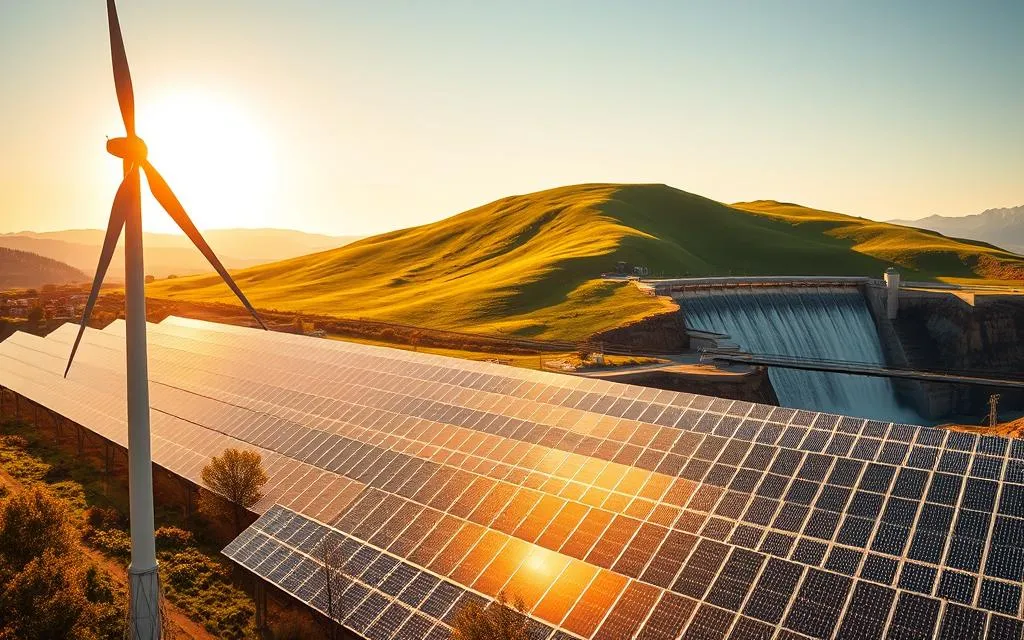
Discover the benefits of solar energy to the environment and learn how solar power reduces emissions, pollution, and dependency on fossil fuels while supporting a sustainable future. The environmental impact of human energy consumption is undeniable, and the transition to renewable energy sources has become essential for a sustainable future. Among the renewable energy sources, solar energy stands out as a powerful and eco-friendly option. But what are the benefits of solar energy to the environment, and why should we consider switching to it? Benefits of Solar Energy to the Environment Solar energy offers numerous environmental benefits, from reducing greenhouse gases to conserving natural habitats. Let’s explore each in detail. 1. Reduces Greenhouse Gas Emissions Solar energy is a clean and green source of power. Unlike fossil fuels, solar panels don’t emit harmful gases, contributing to a significant reduction in greenhouse gases. Carbon Dioxide Reduction: Switching to solar power can substantially reduce carbon dioxide emissions. Greenhouse Gas Impact: By replacing traditional power sources, solar energy helps mitigate global warming. 2. Decreases Air Pollution Air pollution is a major environmental concern linked to respiratory issues and ecosystem degradation. Solar energy, however, produces electricity without polluting the air. Impact on Health: Reduced air pollutants mean fewer health risks. Cleaner Air: Solar-powered systems reduce reliance on coal, oil, and natural gas, leading to cleaner air. 3. Conserves Water Resources Traditional energy sources consume large amounts of water for cooling and processing. Solar energy, in contrast, requires minimal water for operation, helping conserve this precious resource. Water Conservation: Unlike nuclear or coal plants, solar panels don’t need constant water cooling. Impact on Aquatic Life: Reduced water usage also benefits aquatic ecosystems. 4. Reduces Water Usage Water scarcity is a pressing issue worldwide, and energy production is one of the significant consumers of fresh water. Solar energy systems use minimal water, preserving vital water resources. Eco-Friendly Operations: Solar panels don’t require water for power generation. Supporting Water Conservation Efforts: Less water use supports global water conservation efforts. 5. Minimizes Habitat Destruction Energy production often involves land disruption, impacting wildlife and natural habitats. Solar panels can be installed in ways that don’t require large-scale habitat destruction. Protecting Biodiversity: Solar farms can coexist with natural habitats. Reduced Land Impact: Rooftop solar panels use existing infrastructure, minimizing land disruption. 6. Sustainable and Renewable Solar energy is both sustainable and renewable, unlike fossil fuels, which are finite. Solar power contributes to a long-term energy solution without depleting Earth’s resources. Inexhaustible Energy Source: The sun provides abundant, renewable energy. No Resource Depletion: Solar energy generation doesn’t involve resource extraction. 7. Reduces Dependence on Nonrenewable Resources Relying on fossil fuels not only strains the environment but also risks energy security. Solar energy helps reduce our dependence on these nonrenewable resources. Energy Security: Solar power promotes energy independence. Environmental Impact: Reduced fossil fuel reliance means lower environmental strain. 8. Supports Ecosystem Health Solar energy’s reduced emissions and pollution contribute to a healthier environment, supporting ecosystems that depend on clean air and water. Healthier Soil and Water: Less pollution results in healthier soil and waterways. Preserving Wildlife: Cleaner air and water benefit local flora and fauna. 9. Encourages Sustainable Development Solar energy aligns with sustainable development goals, promoting eco-friendly growth for future generations. Support for Green Economy: Solar energy contributes to the green economy. Long-Term Solutions: Sustainable energy ensures resources for future generations. 10. Reduces Financial and Ecological Costs of Energy Production By generating power from the sun, solar energy reduces both the financial and ecological costs of energy production, offering a clean, cost-effective alternative. Conclusion Switching to solar energy offers undeniable benefits for the environment. From cleaner air to water conservation and habitat preservation, solar power is a pivotal tool in the fight against climate change. For more insights on environmental sustainability, explore envirocarecentral.com, your trusted source for eco-friendly living. FAQ Q: How does solar energy impact water conservation? A: Solar energy uses minimal water, conserving vital water resources compared to traditional energy production methods. Q: Why is solar energy considered a renewable resource? A: Solar energy relies on sunlight, an inexhaustible resource, making it sustainable and renewable for long-term use. Q: How does solar power reduce greenhouse gas emissions? A: Solar panels generate power without emitting greenhouse gases, cutting down pollution associated with traditional energy. Q: Can solar panels help preserve wildlife habitats? A: Yes, solar installations, especially rooftop systems, reduce the need for land clearing, thus protecting natural habitats.
How to Keep Dogs Out of Garden Beds: Tips and Tricks
Discover effective methods to keep dogs out of garden beds and protect your plants. We share practical tips and tricks to create a dog-free garden oasis.
How to Keep Deer Out of My Garden: Effective Strategies
Discover effective strategies to keep deer out of your garden. We’ll show you how to protect your plants and create a deer-resistant landscape for a thriving garden.
How To Get a Garden Bed in Seaattle: Your Complete Guide
Discover how to get a garden bed in Seattle with our comprehensive guide. We’ll help you create your urban oasis step-by-step, from planning to planting.