envirocarecentral.com. Explore the Top 10 Ecotourism Destinations in the World – Dive into our guide on the top 10 ecotourism destinations in the world. Discover untouched landscapes, majestic wildlife & sustainable practices. Welcome to our journey of discovering the most extraordinary ecotourism destinations around the world. As nature lovers, we understand the importance of sustainable tourism and strive to promote destinations that focus on preserving the environment. In this article, we will take you on a virtual tour of the top 10 ecotourism destinations in the world, showcasing their breathtaking beauty and sustainable practices. From the untouched landscapes of Bhutan to the diverse wildlife of Kenya, these destinations offer unforgettable experiences for eco-conscious travelers. Get ready to be mesmerized by the stunning landscapes, encounter unique species, and learn about the rich cultural heritage of these destinations. Key Takeaways Discover the top 10 ecotourism destinations in the world Learn about sustainable tourism practices Explore breathtaking natural landscapes Encounter unique wildlife species Immerse yourself in rich cultural experiences Top 10 Ecotourism Destinations in the World Costa Rica: Renowned for its biodiversity, Costa Rica offers numerous national parks and reserves, such as Corcovado National Park and Monteverde Cloud Forest Reserve. Galápagos Islands, Ecuador: Famous for its unique wildlife and Charles Darwin’s observations, the Galápagos Islands are a UNESCO World Heritage site. Norwegian Fjords, Norway: Norway’s fjords provide stunning natural beauty and opportunities for eco-friendly activities like hiking and wildlife watching. Borneo, Malaysia and Indonesia: Home to diverse ecosystems, Borneo is known for its rainforests, orangutans, and efforts in sustainable tourism. New Zealand: With its emphasis on conservation and outdoor recreation, New Zealand offers pristine landscapes, national parks, and a commitment to environmental protection. Patagonia, Argentina and Chile: This region is celebrated for its vast wilderness, including glaciers, mountains, and unique wildlife. Iceland: Known for its geothermal wonders, waterfalls, and commitment to renewable energy, Iceland is a leader in sustainable tourism. Tasmania, Australia: This island state is recognized for its untouched wilderness areas, including the Tasmanian Wilderness World Heritage Area. Switzerland: Beyond its picturesque landscapes, Switzerland is known for its eco-friendly practices, including efficient public transportation and sustainable tourism initiatives. Kenya: Renowned for its safari experiences, Kenya emphasizes conservation efforts in its national parks and reserves, such as the Maasai Mara National Reserve. Before planning a trip, it’s advisable to check for the latest information on each destination’s eco-friendly initiatives and ensure that they align with your expectations for responsible tourism. Costa Rica – A Tropical Paradise for Ecotourism Enthusiasts When it comes to ecotourism, Costa Rica is a tropical paradise that should be on every nature lover’s bucket list. This Central American gem is renowned for its commitment to conservation and sustainable tourism, making it an ideal destination for those who want to experience the beauty of nature while minimizing their impact on the environment. Exploring Costa Rica’s lush rainforests, stunning beaches, and diverse wildlife is a truly unforgettable experience. Whether you’re looking for a relaxing eco-friendly vacation or a thrilling adventure, you’ll find it here. From zip-lining through the canopy to surfing some of the best waves in the world, Costa Rica offers something for everyone. Sustainable Lodging Costa Rica is home to a wide variety of eco-friendly lodging options, from rustic cabins to luxurious resorts. Many accommodations use sustainable practices such as solar power, rainwater harvesting, and composting toilets to minimize their impact on the environment. Some resorts even have their own wildlife sanctuaries, where guests can observe and learn about the local flora and fauna. Wildlife Refuges Costa Rica is home to over 500,000 species of plants and animals, many of which are endangered or threatened. To help protect these species, the country has established over 30 national parks and wildlife refuges. Visitors can explore these protected areas on guided tours, where they can observe monkeys, sloths, toucans, and other creatures in their natural habitat. Adventure Opportunities If you’re looking for an adventure, Costa Rica won’t disappoint. From white-water rafting to hiking active volcanoes, there are plenty of heart-pumping activities to choose from. And for those seeking a more laid-back experience, the country’s beaches offer world-class surfing, snorkeling, and diving opportunities. Overall, Costa Rica’s commitment to sustainability and conservation makes it an ideal destination for ecotourism enthusiasts. With its breathtaking natural beauty, diverse wildlife, and thrilling adventures, it’s no wonder that this tropical paradise is considered one of the top ecotourism destinations in the world. Galapagos Islands – The Land of Unique Biodiversity Located off the coast of Ecuador, the Galapagos Islands offer an unparalleled experience for nature lovers. As one of the most unique and biodiverse places on the planet, the islands boast a vast array of species that cannot be found anywhere else in the world. From giant tortoises to marine iguanas, the Galapagos Islands are home to an incredible variety of wildlife. Visitors can witness firsthand the evolution of species that inspired Charles Darwin’s theory of natural selection. The islands’ pristine ecosystems are carefully preserved by the Ecuadorian government and can be explored through organized tours conducted by licensed operators. Visitors can snorkel and scuba dive with sea turtles, stingrays, and even sharks, or hike through volcanic landscapes and witness lava formations. Conservation Efforts The Galapagos National Park and the Galapagos Marine Reserve work tirelessly to preserve the islands’ unique biodiversity. Strict regulations are in place to protect the islands, and visitors are required to adhere to guidelines to ensure they do not disturb the local ecosystems. The local communities also play a crucial role in conservation efforts. The Galapagos Conservancy, a nonprofit organization, works with local communities to support environmental education and promote sustainable tourism practices. Why Visit the Galapagos Islands? The Galapagos Islands offer visitors a one-of-a-kind experience, unlike anywhere else on earth. From swimming with sea lions to hiking through lava tunnels, visitors can immerse themselves in the islands’ untouched and unique environments. Moreover, by visiting the Galapagos Islands, visitors are supporting crucial conservation efforts that are necessary to preserve the islands’ biodiversity
Best Indoor Hydroponic Garden System for Your Home
envirocarecentral.com. Discover The Best Indoor Hydroponic Garden System for Your Home – Explore the best indoor hydroponic garden systems with us! Enhance your home and enjoy fresh, pesticide-free produce year-round. Welcome to the world of indoor hydroponic gardening! If you’re interested in growing fresh produce year-round, regardless of outdoor weather conditions, then you’re in the right place. In this article, we will guide you through the process of finding the best indoor hydroponic garden system for your specific needs. Hydroponics is an innovative and efficient way to grow plants without soil. With the right system, you can enjoy an abundance of healthy, pesticide-free produce right in the comfort of your own home. Key Takeaways: Indoor hydroponic gardening is an innovative way to grow fresh produce without soil. With the right system, you can grow plants year-round, regardless of outdoor weather conditions. Hydroponics is a space-saving option that allows you to control plant growth factors and produce healthier crops. When choosing an indoor hydroponic garden system, you need to consider factors such as size, complexity, budget, and available space. Setting up and maintaining an indoor hydroponic garden requires knowledge of essential components such as lighting, nutrient solutions, growing mediums, and ventilation. What is Hydroponic Gardening? In this section, we will explain what hydroponic gardening is and how it works. Hydroponic gardening is a method of growing plants without soil. Instead, plants are grown in a water-based nutrient solution, allowing them to absorb essential nutrients directly. The key principles behind hydroponics include using a growing medium, such as perlite, vermiculite, or coco coir, to support the plant’s roots, and a nutrient solution that provides all the necessary minerals and nutrients. The plants can grow faster and more efficiently than those grown in soil, as the system delivers precisely what they need without any waste or overconsumption. “Hydroponic gardening is an innovative and sustainable way to grow plants in an urban environment, making fresh produce accessible year-round,” says leading hydroponic expert, Dr. Smith. While the concept of hydroponics has been around since ancient times, it’s becoming increasingly popular due to urbanization, environmental factors, and innovations in technology. How Does Hydroponic Gardening Differ From Traditional Soil-Based Gardening? The primary difference between hydroponic and traditional soil-based gardening is the growing medium used. In soil-based gardening, plants absorb nutrients and minerals from the soil, which can be inconsistent and variable depending on the soil quality and environmental factors. With hydroponics, plants receive the nutrients they need directly through the nutrient solution, allowing for more efficient and precise growth. Additionally, hydroponic gardening requires less water than soil-based gardening and can be done indoors, making it an ideal option for those without outdoor space or in areas with harsh climates. Why Choose Hydroponic Gardening? Hydroponic gardening offers many benefits over traditional gardening. Here are some of the most significant advantages: Year-round growing: With hydroponics, you can grow fresh produce regardless of the season or weather conditions. Efficient growth: Hydroponic plants grow faster and bigger than their soil-based counterparts, thanks to the precise delivery of nutrients and minerals. Space-saving: Hydroponic systems can be designed to fit any space, making them ideal for urban areas or small apartments. Water-efficient: Hydroponics uses up to 90% less water than traditional gardening, making it a more sustainable option. Pesticide-free: Hydroponic gardens can be kept free of pests and diseases without the need for harmful chemicals. Nutrient-dense: Hydroponic plants are often more nutrient-dense than soil-grown plants because they receive the precise amount of nutrients they need for optimal growth. Overall, hydroponic gardening is an excellent choice for anyone looking to grow fresh produce year-round in a sustainable, efficient, and space-saving manner. Benefits of Indoor Hydroponic Gardens Indoor hydroponic gardens have numerous benefits, making them an attractive option for any home. Here are some of the key advantages: Benefits Description Fresh, pesticide-free produce year-round With an indoor hydroponic garden, you can enjoy fresh produce year-round, free from harmful pesticides and chemicals. You have complete control over what you grow and how you grow it, ensuring the highest quality No soil required Hydroponics eliminates the need for soil, which can be a breeding ground for pests and diseases. This also means you can grow plants in smaller spaces such as apartments or offices Space-saving benefits Indoor hydroponic gardens take up less space than traditional gardens, allowing you to grow more produce in a smaller area. This is particularly useful for those with limited outdoor space. Control of plant growth factors Hydroponic gardening allows for precise control of plant growth factors such as nutrient levels, pH balance, and lighting. This level of control ensures optimal plant growth and yields. Increased yield Hydroponic gardening can produce higher yields of fruit and vegetables compared to traditional soil-based gardening. This is because plants have access to a consistent supply of nutrients, water, and oxygen. Climate control Indoor hydroponic gardens allow you to control the growing environment, eliminating the impact of external weather conditions. This means you can grow plants that are not suitable for your local climate. “With an indoor hydroponic garden, you can enjoy fresh produce year-round, free from harmful pesticides and chemicals.” The benefits of indoor hydroponic gardens are clear – they provide a sustainable, space-saving, and cost-effective way to grow fresh produce year-round. They are also an excellent option for those who want to have more control over the quality of their food and the environmental impact of their gardening practices. Choosing the Right Indoor Hydroponic Garden System When it comes to choosing the right indoor hydroponic garden system, several factors come into play. Considerations such as size, complexity, budget, and available space will help determine which system is best suited to your needs. Size The size of your system will depend on the amount of space available and the number of plants you want to grow. If you have limited space, a smaller system such as a countertop or wall-mounted unit may be the best option. Alternatively, if space is not an issue, a larger system with multiple growing trays may be more suitable. Complexity The complexity
Discover the Best Potting Soil for Indoor Plants
envirocarecentral.com. Discover the Best Potting Soil for Indoor Plants – Explore the best potting soil for indoor plants! Our guide helps you choose quality soil that nourishes your plants for lush, healthy growth. Indoor plants have become a popular way to liven up living spaces and improve air quality, but they require proper care and attention to thrive. One critical aspect of caring for indoor plants is selecting the right potting soil. The best potting soil for indoor plants provides essential nutrients, proper drainage, and support for root development, all of which are essential for healthy plant growth. In this section, we’ll take a closer look at the qualities to look for in potting soil and provide recommendations for the top choices so you can be confident that your indoor plants are getting the best start possible. Discover the Best Potting Soil for Indoor Plants Key Takeaways: Choosing the best potting soil for indoor plants is crucial for their growth and health. The right potting soil provides essential nutrients, proper drainage, and support for root development. We’ll cover the top potting soil recommendations for indoor plants in this article. Understanding the Importance of Quality Potting Soil Indoor plants require specific care to thrive, and the right potting soil is essential to their overall health and growth. Potting soil serves several crucial functions, including providing important nutrients, promoting proper drainage, and supporting root development. Potting soil also serves as the anchor for your indoor plants, keeping them stable and upright. Indoor plants rely solely on the potting soil for their growth and development, making it a crucial component of their overall care. Using poor quality or inappropriate soil can damage indoor plants and make them more susceptible to disease and pests. The wrong soil consistency can cause water to accumulate and lead to root rot, while soil lacking in vital nutrients can stunt growth and weaken the plant. Therefore, it’s crucial to choose the appropriate potting soil for your indoor plants to ensure they receive the necessary care and support. Factors to Consider When Choosing Potting Soil for Indoor Plants When it comes to choosing the best potting soil for your indoor plants, there are several important factors to keep in mind. By considering these factors, you can ensure that your plants receive the proper nutrients and environment to grow and thrive. 1. Plant Species The type of plant you have will play a significant role in determining the type of potting soil you need. Different plant species have different requirements in terms of moisture retention, drainage, and nutrient levels. For example, succulents and cacti require a well-draining soil mix with less moisture, while tropical plants prefer a soil mix that retains more moisture. 2. Water Retention The ability of potting soil to retain water is a crucial factor in keeping your indoor plants healthy. Soil that retains too much water can lead to root rot, while soil that doesn’t retain enough water can cause your plants to dry out and wither. When selecting potting soil, be sure to check the water retention levels, and choose a soil mix that matches your plant’s moisture requirements. 3. Nutrient Content Indoor plants rely on the nutrients in the potting soil to grow and thrive. When choosing potting soil, look for options that are rich in essential nutrients like nitrogen, phosphorus, and potassium. Organic potting soil mixes are often a great choice, as they contain natural materials that provide a steady supply of nutrients over time. 4. Soil pH The pH level of the soil can impact the availability of nutrients for your indoor plants. Most plants prefer a soil pH that falls between 6.0 and 7.0. It’s a good idea to test the pH levels of your potting soil before using it for your plants. If the pH is too high or too low, you can add lime or sulfur to adjust the pH level accordingly. 5. Synthetic vs. Organic When choosing potting soil for your indoor plants, you’ll also need to decide between synthetic and organic options. Synthetic potting soil mixes are often cheaper and more consistent in quality, while organic mixes are more sustainable and environmentally friendly. Consider your priorities and the needs of your plants when making this choice. Top Recommendations for Potting Soil for Indoor Plants Now that we’ve discussed the importance of quality potting soil and the factors to consider when selecting the best soil for your indoor plants, let’s dive into some top recommendations. Here are our top picks: Soil Name Key Features Plant Types Organic Potting Mix Contains beneficial organic matter Provides proper drainage Retains moisture effectively Various indoor plants Pro-Mix Premium Potting Mix Lightweight and well-aerated Enriched with mycorrhizae for root development Low pH for acid-loving plants Acid-loving plants such as african violets and ferns Black Gold Natural & Organic Potting Soil Blend of aged bark, earthworm castings, and compost Provides good drainage and moisture retention No added synthetic chemicals All-purpose indoor plants Espoma Organic African Violet Potting Mix Specifically designed for african violets Rich in nutrients and minerals Excellent drainage African violets Miracle-Gro Indoor Potting Mix Contains coconut coir, which retains moisture well Provides essential nutrients No added synthetic chemicals All-purpose indoor plants These top recommendations are all excellent choices for indoor plants and provide a variety of benefits depending on your specific plant needs. Remember to consider factors such as plant type and nutrient content when making your selection. Expert Tip: If you’re unsure which potting soil to choose, opt for an all-purpose mix like the Black Gold Natural & Organic Potting Soil. It’s versatile and suitable for most indoor plants. How to Properly Use Potting Soil for Indoor Plants Using potting soil for indoor plants is essential for their growth and well-being. However, improper usage can do more harm than good. Here are some tips on how to effectively use potting soil: 1. Repotting If your indoor plant has outgrown its current pot, it’s time to repot it with fresh potting soil. Choose a pot that is one size bigger and fill it with new soil. Gently remove the plant from its old pot,
The Benefits of Ecotourism for Environment and Local
envirocarecentral.com. The Benefits of Ecotourism for Environment and Local – Explore the benefits of ecotourism for environment as we unveil how it fosters sustainability and local growth. Join our journey towards eco-conscious travel. As travelers, we have the power to make a positive impact on the places we visit. Ecotourism, or sustainable tourism, offers a way for us to explore new destinations while also supporting the environment and local communities. Ecotourism is a win-win for everyone involved. The surrounding environment benefits from sustainable tourism practices, and local communities thrive from the economic and social growth that comes with it. Let’s take a closer look at some of the benefits of ecotourism for both the environment and local communities. Key Takeaways: Ecotourism supports the environment and local communities. Ecotourism promotes sustainability and positive growth. Travelers can make a positive impact through sustainable tourism practices. Local communities benefit economically and socially from ecotourism. Ecotourism is a responsible and rewarding way to travel. What is Ecotourism? Ecotourism is a form of sustainable tourism that focuses on responsible travel to natural areas, with the aim of conserving the environment, respecting local cultures, and promoting the well-being of both the visitors and the local communities. The primary goal of ecotourism is to minimize the impact on the natural and cultural environments while providing educational and enriching experiences for tourists. Benefits of Ecotourism for Environment Ecotourism, when properly planned and managed, can offer several benefits for the environment. Here are some key advantages: Conservation of Biodiversity: Ecotourism often takes place in natural areas with rich biodiversity. By promoting responsible tourism practices, ecotourism can contribute to the conservation of flora and fauna. Well-managed ecotourism initiatives can help protect endangered species and their habitats. Habitat Preservation: Ecotourism projects typically prioritize the preservation of natural habitats. This involves minimizing the impact of tourism infrastructure, such as accommodations and trails, to maintain the integrity of ecosystems. This can result in the long-term protection of valuable habitats. Community Involvement and Empowerment: Ecotourism often involves local communities in its planning and operation. By providing economic incentives and involving local residents in conservation efforts, ecotourism can empower communities to actively participate in protecting their natural surroundings. This can create a sense of ownership and pride in local ecosystems. Educational Opportunities: Ecotourism provides a platform for environmental education. Visitors have the opportunity to learn about the significance of biodiversity, ecosystem dynamics, and the importance of conservation. This increased awareness can lead to more environmentally conscious behavior among tourists and locals alike. Sustainable Development: Responsible ecotourism practices emphasize sustainable development, considering the long-term impact on both the environment and the local communities. This approach seeks to balance economic benefits with environmental protection, ensuring that the benefits of tourism contribute to the well-being of both the environment and the people. Alternative Income Sources: By promoting ecotourism, communities can diversify their sources of income. This can reduce dependency on activities that might harm the environment, such as logging or unsustainable agriculture. A diversified income base can make communities more resilient to economic fluctuations. Preservation of Cultural Heritage: Ecotourism often incorporates cultural experiences, highlighting the importance of traditional practices and indigenous knowledge. This can contribute to the preservation of cultural heritage, fostering a sense of pride and identity among local communities. Reduced Carbon Footprint: Some ecotourism initiatives actively work to minimize their carbon footprint. This includes adopting sustainable practices in transportation, accommodations, and other aspects of tourism. By doing so, ecotourism can contribute to the global effort to combat climate change. Preserving Natural Landscapes and Biodiversity Ecotourism plays a crucial role in preserving natural landscapes and conserving biodiversity. By practicing eco-conscious travel, we can help protect fragile ecosystems and endangered species, ensuring their long-term survival. One way in which ecotourism promotes the preservation of natural landscapes is by providing alternative sources of income for local communities. Instead of exploiting natural resources for profit, communities can rely on sustainable tourism practices to generate income while preserving their natural resources. This creates a win-win situation where both the environment and the community benefit. “Ecotourism provides a way for individuals to experience natural landscapes without causing harm to the environment. It helps raise awareness about the importance of conservation and encourages responsible travel practices.” Another major benefit of ecotourism is its role in the conservation of biodiversity. By choosing to visit eco-friendly destinations and participating in activities that promote conservation, travelers can help protect the delicate balance of nature. For example, some eco-tour companies offer guided tours that teach travelers about the different plant and animal species in the area and highlight the importance of protecting them. This kind of educational experience helps to build a sense of responsibility and encourages travelers to become advocates for conservation. Benefits of Ecotourism for the Preservation of Natural Landscapes and Biodiversity: Examples: Reduces exploitation of natural resources for profit Local communities rely on sustainable tourism practices rather than exploiting natural resources for profit. Encourages conservation of ecosystems and wildlife Guided tours that teach travelers about the importance of protecting local plant and animal species. Raises awareness about the importance of conservation Ecotourism promotes responsible travel practices and educates travelers about the impact of their actions. Promoting Environmental Education and Awareness At the heart of ecotourism is the desire to educate and raise awareness about the importance of preserving our planet. Through experiential learning and immersion in natural environments, travelers gain a deeper understanding of the delicate balance between humanity and nature. The Role of Ecotourism in Environmental Education Ecotourism encourages environmental education by providing travelers with opportunities to learn about the ecosystems they visit. For example, guided tours through rainforests or coral reefs can educate visitors on the unique flora and fauna found in these areas and the role they play in sustaining their environment. “Ecotourism fosters a sense of responsibility and encourages travelers to take action to protect our planet.” Hands-on experiences, such as bird-watching or tree-planting, can teach travelers about the impact of human activities on natural habitats. By connecting with nature and
How Animals Facilitates Pollination?
envirocarecentral.com. How Animals Facilitates Pollination? Explore the fascinating cycle of life as we delve into “How Animals Facilitates Pollination,” and their crucial role in sustaining our ecosystem. As we explore the fascinating world of pollination, it becomes evident that animals play a critical role in this process. From bees and butterflies to birds and bats, animal pollinators are essential in sustaining the health of our ecosystem. Their actions contribute to the reproduction of plants, including crops that feed both wildlife and humans. The pollination process involves the transfer of pollen from the male reproductive organ of a flower to the female reproductive organ, enabling the fertilization of the egg and resulting in the formation of seeds. Without pollination, the reproduction of many plant species would be impossible, leading to devastating consequences for the ecosystem. Animal-mediated pollination provides numerous benefits, including the creation of new genetic variants, ensuring the production of abundant and healthy crops, and maintaining biodiversity. Understanding the role of animal pollinators in pollination mechanisms and the importance of preserving their habitats is crucial in ensuring environmental conservation and the sustainability of our ecosystem. Key Takeaways Animals facilitates pollination and play a crucial role in the sustainability of the ecosystem. The pollination process entails the transfer of pollen, allowing for the reproduction of plants, including crops that feed wildlife and humans. Animal-mediated pollination contributes to creating new genetic variants, ensuring the production of abundant and healthy crops, and maintaining biodiversity. Understanding the importance of animal pollinators in pollination mechanisms and preserving their habitats is essential to environmental conservation and the sustainability of the ecosystem. How Animals Facilitates Pollination Animals play a crucial role in facilitating pollination, a process vital for the reproduction of many flowering plants. There are various mechanisms through which animals contribute to pollination: 1. Bees Bees are perhaps the most well-known pollinators. They are attracted to flowers by their vibrant colors and sweet nectar. As bees collect nectar for food, pollen from the flower’s male reproductive organ (anther) sticks to their bodies. When the bee visits another flower of the same species, some of this pollen is transferred to the female reproductive organ (stigma), facilitating fertilization. 2. Butterflies Butterflies are attracted to brightly colored flowers and are particularly active during the day. Similar to bees, butterflies transfer pollen as they feed on nectar. However, their long proboscis allows them to reach nectar in deep, tubular flowers. 3. Hummingbirds Hummingbirds are known for their ability to hover in front of flowers, using their long bills to reach nectar. As they feed, their heads come into contact with the flower’s reproductive structures, transferring pollen between flowers of the same species. 4. Birds Besides hummingbirds, other bird species also contribute to pollination. Some larger birds, like sunbirds and orioles, feed on flowers and inadvertently transfer pollen while doing so. 5. Bats In regions where bats are prevalent, they serve as important nocturnal pollinators. Bats are attracted to large, pale, and strong-scented flowers. As they feed on nectar, pollen adheres to their fur and is carried between flowers. 6. Beetles Some plants rely on beetles for pollination. Beetles are attracted to flowers with a strong scent and often dull colors. As they crawl over the flower, pollen is transferred between the plants. 7. Flies Certain fly species contribute to pollination, especially in plants that have a strong odor resembling that of rotting meat. These plants attract flies, which pick up and transfer pollen as they move between flowers. The relationship between plants and their animal pollinators is often mutualistic, benefiting both parties. The plants receive assistance in reproduction, while the animals obtain a food source in the form of nectar. This intricate web of interactions highlights the interconnectedness of ecosystems and the importance of biodiversity in maintaining the health of plant and animal populations. Keep Reading : How Do Animals Help Plants Actually? The Importance of Pollination Pollination is a critical natural process that plays an essential role in plant reproduction. As plants depend on the movement of pollen grains, carried from male to female reproductive organs, to fertilize their ovules and produce seeds, pollinators help to facilitate this process and ensure successful plant reproduction. Notably, pollination is vital to both the agricultural and ecological systems, as it contributes to food production for both humans and wildlife. In agriculture, pollination helps to increase crop yields and improve the quality of fruits and vegetables, while in the wild, it enables the production of seeds and fruits that nourish wildlife and sustain entire ecosystems. Without pollination, many plant species would become extinct, disrupting the balance of entire ecosystems and affecting food security. Moreover, pollination serves as a vital measure of the health and sustainability of an ecosystem, indicating the presence and abundance of pollinators and the state of the environment. Animal Pollinators Animal pollinators play a vital role in transferring pollen between flowers, enabling plant reproduction and fruit and seed production. Some of the most common animal pollinators include bees, butterflies, birds, and bats, each with unique characteristics and pollination techniques. Animal Pollinator Pollination Technique Characteristic Bees Brushy hairs on their legs collect pollen Most efficient pollinators Butterflies Long proboscis sips nectar from flowers Diurnal pollinators with long-range foraging Birds Long beaks reach nectar at bottom of long-tubed flowers Important pollinators for red, tubular flowers Bats Feed on night-blooming flowers with pungent odor Nocturnal pollinators with long tongues and sharp teeth Bees are the most efficient pollinators due to their physical characteristics and behavior. They have brushy hairs on their legs that collect pollen as they move from flower to flower, transferring it to other plants. Butterflies, on the other hand, have a long proboscis that sips nectar from flowers and thereby transfer pollen. Birds are attracted to red flowers and have long beaks that can reach the nectar at the bottom of long-tubed flowers. Bats feed on night-blooming flowers with a pungent odor and have long tongues and sharp teeth to extract the nectar. Each of these pollinator species serves a unique function in the pollination process. Animal pollinators, like bees, also play a crucial role in agriculture, contributing to the production of various fruits and vegetables such as apples, almonds, and blueberries. Without animal pollinators, we would struggle
How do Plants and Animals Depend on Each Other
envirocarecentral.com. How do Plants and Animals Depend on Each Other – Explore the intricate ecosystem with us as we delve into how plants and animals depend on each other, understanding symbiosis and survival. Plants and animals are two essential components of any ecosystem. While plants provide food, oxygen, and habitat for animals, animals, in turn, play an important role in the reproduction and growth of plants. There are several ways that plants and animals depend on each other for their survival, and these relationships are crucial in maintaining a balanced ecosystem. In this section, we will explore the concept of symbiosis and understand how different species interact and rely on one another in the ecosystem. Key Takeaways Plants and animals depend on each other for their survival Symbiosis is the interaction and interdependence of different species Understanding these relationships is crucial in maintaining a balanced ecosystem Animals rely on plants for food and habitat, while plants rely on animals for pollination and seed dispersal There are various types of symbiotic relationships, including mutualism, commensalism, and parasitism Symbiotic Relationships in the Ecosystem Symbiosis, the close and long-term interaction between different species, characterizes much of the relationships between plants and animals. There are three types of symbiotic relationships: mutualism, commensalism, and parasitism. Mutualism Mutualism is a type of symbiotic relationship where both species benefit. This relationship is common between plants and animals, where the animals pollinate the plants while gathering nectar or pollen as food. In turn, the animals (such as bees and butterflies) play a significant role in fertilizing the plants. For instance, the bees are attracted to the bright color, sweet aroma, and rich nectar of flowers, and in collecting these food sources, they transfer pollen from the male to the female flowers, thereby fertilizing them and enabling the growth of fruits and seeds. This mutually beneficial relationship is crucial for the survival of many plant and animal species in the ecosystem. Commensalism Commensalism is a type of symbiotic relationship where one species benefits without harming the other. In the context of plants and animals, animals often use plants for shelter or as a means of transport, without affecting the plant’s growth or survival. For example, birds seek shelter and nesting sites in trees, while orchids use tree branches as a support structure to grow and thrive. While the plants do not benefit, they are also not harmed, and the animals can continue to live and thrive. This type of relationship is less common than mutualism and parasitism. Parasitism Parasitism is a type of symbiotic relationship where one species benefits at the expense of the other species. In the case of plants and animals, animals can act as parasites on plants, using them as a source of food or shelter. For example, mistletoe plants grow on trees, relying on the tree for support and drawing nutrients and water from the tree. In this relationship, the mistletoe benefits while the tree is harmed or even killed by the parasite. Understanding the different types of symbiotic relationships between plants and animals helps us appreciate the intricate dependencies within the ecosystem. These relationships are crucial for the survival and balance of the ecosystem, highlighting the importance of protecting and preserving the natural world. Symbiotic Relationships in the Ecosystem In the previous section, we explored how plants and animals depend on each other. Now, let’s take a closer look at the different types of symbiotic relationships that exist between them. Mutualism Mutualism is a type of symbiotic relationship where both species benefit. One example of mutualism between plants and animals is the relationship between bees and flowers. Bees feed on the nectar of flowers, while the pollen sticks to their bodies and is transferred to other flowers, allowing for pollination. Commensalism Commensalism is a type of symbiotic relationship where one species benefits without harming the other. An example of commensalism between plants and animals is the way birds build nests in trees. The birds benefit from the shelter and protection provided by the tree, while the tree is neither harmed nor benefited. Parasitism Parasitism is a type of symbiotic relationship where one species benefits at the expense of the other. One example of parasitism between plants and animals is the relationship between the mistletoe plant and its host tree. The mistletoe plant grows on the host tree and saps nutrients from it, causing harm to the tree. Understanding these types of symbiotic relationships can provide insight into the delicate balance of interdependence that exists within the food chain of an ecosystem. The food chain is a system in which organisms rely on each other for food. In the food chain, plants are at the bottom as they produce their own food through photosynthesis. Animals that consume plants then become prey to other animals, and so on. Pollination and Seed Dispersal One critical example of interdependence in the ecosystem is the relationship between plants and animals for pollination and seed dispersal. Many plants rely on animals such as bees, butterflies, and hummingbirds for pollination, while animals rely on plants for food and shelter. Seed dispersal is also essential for plant growth and survival, and many animals play a crucial role in this process. Overall, the interactions and coexistence between plants and animals within an ecosystem are complex and essential for a balanced and sustainable environment. By understanding these interconnections, we can gain a greater appreciation for the intricate web of life that surrounds us. Keep Reading : How Do Animals Help Plants Actually? FAQ How do plants and animals depend on each other? Plants and animals depend on each other for various reasons. Plants produce oxygen through photosynthesis, which is essential for animals to breathe. Animals, on the other hand, help with pollination and seed dispersal, aiding in the reproduction of plants. Additionally, animals rely on plants for food and shelter, while plants benefit from animals’ waste as a source of nutrients. What are symbiotic relationships? Symbiotic relationships refer to the close and long-term
What to Do with Sprouted Onions
envirocarecentral.com. Discover what to do with sprouted onions! Turn them into delicious meals or regrow them for a sustainable, healthy kitchen. Get inspired now! Have you ever opened your pantry or kitchen drawer to find sprouted onions? It may be tempting to toss them in the trash, but don’t be so quick to discard them! Sprouted onions can offer unique culinary opportunities and even provide sustainable solutions for your kitchen. In this article, we will explore various ways to make the most of sprouted onions. From cooking to regrowing, we’ll share tips and tricks for using and handling, as well as the potential benefits they offer. So before you toss those, read on and discover how they can be a valuable addition to your kitchen. Cooking with Sprouted Onions Don’t let those sprouted onions go to waste! You can still use them in your cooking and add a unique twist to your favorite dishes. The sprouts give the onions a milder taste, perfect for those who find raw onions too pungent. Here are some creative ways to incorporate sprouted onions in your meals: Roasting Roasted sprouted onions are a great addition to any meat or vegetable dish. Simply cut the sprouted onion into wedges and toss with olive oil, salt, and pepper. Roast in the oven at 400°F for 20-25 minutes, until golden brown and caramelized. Serve as a side dish or use as a topping for salads or sandwiches. Stir-Frying Sprouted onions add a delicious crunch and mild onion flavor to stir-fries. Cut the sprouted onion into thin slices and stir fry with your favorite vegetables and protein. Add soy sauce, garlic, and ginger for a tasty Asian-inspired dish. Soup and Stews Chop up the sprouted onion and use it as a base for soups and stews. The sprouts add an extra layer of flavor and texture to your favorite soup recipes. Try it in a classic French onion soup or any hearty stew recipe. Tip: If your sprouted onion is starting to soften or mold, simply cut away the bad parts and use the rest as normal. With these creative ways to use sprouted onions, you’ll never throw them away again. But what if you want to regrow your sprouted onions? Keep reading to learn how. Regrowing Sprouted Onions If you’ve ever had onions sprout in your pantry, don’t throw them away just yet. You can actually regrow and enjoy a bountiful harvest. Here’s what to do with a sprouting onion: Cut off the top inch of the sprouted onion, including the green shoots. Peel away the outer layer of the onion to reveal the fresh, healthy layers underneath. Fill a jar or glass with water and place the onion top-down in the container, with the cut end submerged in water. Place the jar in a sunny spot and change the water every few days to keep it fresh. Watch as the onion begins to regrow new green shoots and roots. Once the roots have grown about an inch long, you can transfer the onion to a pot or garden bed to continue growing. Regrowing onions from sprouts is a sustainable way to reduce food waste and enjoy fresh produce without having to buy new onions. Tips for Regrowing Onions To ensure your regrow successfully, follow these tips: Use fresh onions that have not been in storage for too long. Change the water in the jar frequently to prevent bacteria growth and keep the roots healthy. Plant the onions in well-draining soil and water them regularly to keep the soil moist. Harvest the onions when the green shoots have died back and the bulbs are fully grown. Now that you know what to do with an onion that has sprouted, you can turn your kitchen scraps into a thriving garden and enjoy the satisfaction of growing your own produce. Benefits of Using Sprouted Onions Sprouted onions offer unique culinary and health benefits that may surprise you. Despite their wilted appearance, these onions can still provide robust flavor, texture, and nutrition to your meals. Here are some compelling reasons to make use of sprouted onions: Nutritional Value Sprouted onions contain more nutrients compared to fresh ones. Studies have shown that sprouting enhances the levels of vitamins, minerals, and antioxidants in onions. For instance, have higher amounts of vitamin C, folic acid, and quercetin, a potent antioxidant that exhibits anti-inflammatory properties. By incorporating into your meals, you’ll be boosting the nutritional density of your food. Health Benefits Sprouted onions may have potential health benefits beyond basic nutrition. Some studies suggest that sprouted onions contain compounds that may help lower blood pressure, cholesterol, and glucose levels. Additionally, they may have antibacterial and antimicrobial properties that could support immune system function and protect against infections. While further research is needed to confirm these benefits, sprouted onions can still make a healthful addition to your diet. Sustainable Kitchen Regrowing sprouted onions can help reduce food waste and save money. Instead of tossing out sprouted onions, you can plant them in a pot or garden to produce more onions. This method, known as regrowing, is simple and cost-effective, and can provide a steady supply of fresh onions in the long run. By regrowing, you’ll be adopting a more sustainable lifestyle and contributing to a greener planet. Storing and Handling Sprouted Onions Proper storage and handling of sprouted onions can help maintain their freshness and flavor, preventing spoilage and waste. Here are some tips and best practices: Store sprouted onions in a cool, dry, and well-ventilated area. Avoid storing them in plastic bags or airtight containers as they need to breathe. Do not store with other vegetables or fruits as they release gases that can accelerate spoilage. You can also store in the refrigerator, but use them within a week. However, refrigeration can also cause their texture to become soft and mushy. Handle gently as their sprouts are fragile and can easily break off. Avoid cutting off the sprouts as they contain most of the onion’s nutrients.
What is Ecotourism and Why is it Important?
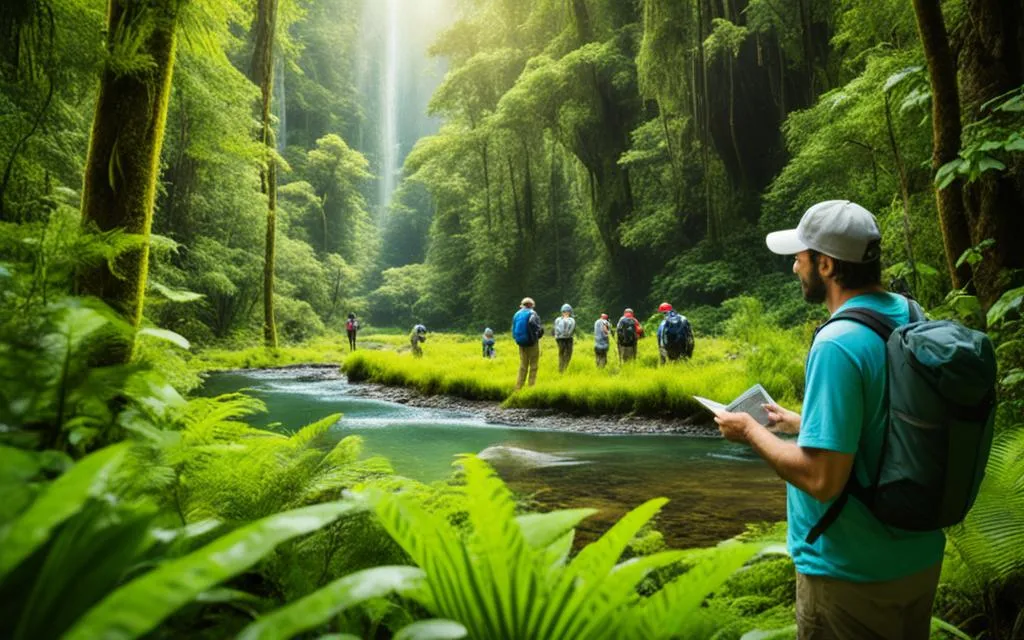
What is Ecotourism and Why is it Important? Explore the world of ecotourism and discover why it’s crucial for our planet’s future. Learn what ecotourism is, its importance, and how it benefits both nature and communities. Ecotourism is a term that has been gaining increasing attention in recent years. But what exactly is ecotourism, and why is it important? In this article, we will delve deep into the world of ecotourism, exploring its meaning, significance, and the positive impact it has on the environment and local communities. What is Ecotourism? Ecotourism is a dynamic and responsible approach to travel that combines the exploration of natural environments with an unwavering commitment to preserving and protecting those ecosystems. Unlike conventional tourism, which can often have detrimental effects on the environment and local communities, ecotourism is designed to be sustainable, educational, and environmentally conscious. One of the defining characteristics is its emphasis on the natural world. Travelers who embark on ecotourism journeys are driven by a desire to connect with nature, understand its intricate web of life, and appreciate the beauty of the outdoors. This can involve activities such as hiking through pristine forests, observing wildlife in their natural habitats, birdwatching, snorkeling in coral reefs, or stargazing in remote, pollution-free areas. It’s a chance to escape the hustle and bustle of urban life and immerse oneself in the wonders of the natural world. However, ecotourism is not solely about personal enjoyment and exploration; it goes beyond that. It is a form of tourism with a conscience. Travelers who engage in understand that their actions can have far-reaching consequences, both positive and negative. Therefore, they actively seek to minimize their environmental footprint and ensure that their presence has a positive impact on the ecosystems they visit. In ecotourism, the protection and conservation of biodiversity are paramount. Many destinations are havens for rare and endangered species, and visitors play a crucial role in their conservation efforts. Whether it’s observing sea turtles nesting on a beach, tracking a family of mountain gorillas in the misty forests of Africa, or admiring the vibrant colors of tropical birds in the rainforest canopy, ecotourists are contributing to the preservation of these species and their habitats. Furthermore, ecotourism is closely linked to the empowerment of local communities. It often takes place in areas where indigenous or local people reside, and these communities are actively involved in initiatives. By participating, travelers provide opportunities to these communities, support local businesses, and help maintain the traditional cultures and lifestyles of the people who call these natural wonders their home. In essence, is a harmonious blend of adventure, education, and environmental stewardship. It enables travelers to learn about the intricate relationships that govern our planet, promotes a deeper understanding of the importance of conservation, and directly contributes to the preservation of some of the world’s most treasured natural treasures. As an eco-conscious form of travel, is more than just a passing trend; it is a way of connecting with our planet and ensuring that future generations can enjoy the same natural wonders that captivate us today. Why is Ecotourism Important? Ecotourism is important for several compelling reasons, as it plays a pivotal role in addressing critical environmental and social challenges facing our world today. Let’s delve into the significance of ecotourism: Conservation of Biodiversity: One of the foremost reasons why ecotourism is crucial is its direct contribution to the conservation of biodiversity. Ecotourism destinations are often situated in areas of high ecological importance, home to rare and endangered species. By attracting visitors to these areas, it generates funding for conservation efforts and encourages the protection of these delicate ecosystems. Preservation of Natural Ecosystems: Ecotourism promotes the preservation of natural ecosystems. Many of these destinations are designated as protected areas or national parks, where strict regulations and responsible management ensure the sustainable coexistence of wildlife, ecosystems, and human visitors. Economic Empowerment of Local Communities: Ecotourism provides economic opportunities for local communities residing in or near these natural wonders. They can benefit from jobs in guiding, accommodations, and the sale of locally-made products. This empowerment often deters unsustainable practices like logging or poaching, as communities recognize the value of preserving their environment. Cultural Exchange and Preservation: In many ecotourism destinations, travelers have the chance to engage with indigenous or local communities. This not only enriches the travel experience by providing insights into unique cultures and traditions but also encourages the preservation of these cultures, as they become economically linked to the ecotourism industry. Promotion of Environmental Awareness: Ecotourism fosters a deep and lasting connection between travelers and the natural world. Through first-hand experiences, such as wildlife encounters and immersive nature exploration, visitors gain a heightened appreciation for the environment and its delicate balance. This, in turn, increases environmental awareness and encourages individuals to become advocates for nature conservation. Mitigation of Climate Change: Ecotourism often takes place in carbon-rich environments like forests, wetlands, and coastal areas. By supporting the protection and sustainable management of these areas, ecotourism plays a role in mitigating climate change. Healthy ecosystems act as carbon sinks, helping to reduce greenhouse gas emissions and combat global warming. Scientific Research and Education: Many ecotourism initiatives support scientific research. Researchers and educators often work closely with ecotourism operations to study wildlife, habitats, and environmental changes. This not only advances our understanding of the natural world but also allows for the dissemination of knowledge to the general public. Sustainable Tourism Practices: The principles of ecotourism encourage responsible travel behaviors, such as minimizing waste, conserving resources, and supporting eco-friendly accommodations. These practices set a positive example for the broader tourism industry, inspiring the adoption of more sustainable approaches to travel. Ecotourism is important because it represents a unique and effective way to appreciate, protect, and enhance our natural world. It simultaneously benefits the environment, local communities, and travelers themselves by fostering a profound connection to nature and a commitment to its preservation. By choosing ecotourism, individuals become stewards of the planet, ensuring that these irreplaceable natural treasures
How to Plant Coconut Tree in Your House?
envirocarecentral.com. How to Plant Coconut Tree in Your House? – Learn how to plant a coconut tree step by step. Discover the secrets to successful coconut tree cultivation. Find expert tips for growing healthy coconut trees. Planting a coconut tree may seem like a tropical dream, but with the right knowledge and a little patience, you can turn that dream into reality. Whether you’re an experienced gardener or a novice, this comprehensive guide will take you through the entire process of planting and caring for a coconut tree. So, let’s dive into the details of how to plant a coconut tree successfully. Coconut Tree The coconut tree, scientifically known as Cocos nucifera, is a tropical and subtropical plant species that is famous for its various uses and its association with picturesque beach landscapes. It is often referred to as the “tree of life” due to the multitude of products and benefits it provides to both humans and the environment. Preparing for Planting Selecting the Right Location To start your journey in planting a coconut tree, it’s essential to choose the right location. Coconut trees thrive in tropical and subtropical climates, so make sure your region is suitable. Look for a sunny spot in your garden with well-draining soil. Soil Preparation Coconut trees prefer sandy, loamy soil. Ensure the soil is well-draining, as coconut trees don’t tolerate waterlogged roots. You can improve drainage by adding organic matter and compost. Gathering the Necessary Tools Before getting your hands dirty, gather the necessary tools and equipment, such as a spade, gloves, coconut seeds, and a water source. Having everything ready will make the planting process smoother. Keep Reading :Â How to Propagate Corn Plant in The Yard? How to Plant Coconut Tree Choosing the Right Coconut Select a mature coconut with a hard, brown shell. Shake it to ensure it has liquid inside, indicating it’s still viable. If you can, get a coconut from a local nursery or garden center, as they are more likely to sprout successfully. Germinating the Coconut To germinate the coconut, follow these steps: Fill a container with water. Soak the coconut in the water for 2-3 days. After soaking, place the coconut in a warm, sunny spot to allow it to sprout. This can take several weeks. Preparing the Planting Hole Dig a hole that is about 2 feet deep and 2 feet wide. Ensure the hole is well-draining by adding sand and organic matter. Create a small mound in the center of the hole for planting. Planting the Sprouted Coconut Place the sprouted coconut on the mound with the sprout facing upward. Cover the coconut halfway with soil, leaving the other half exposed. Water the coconut thoroughly. Keep Reading : How to Add Calcium to Tomato Plants? Caring for Your Coconut Tree Regular Watering Coconut trees need consistent moisture, especially during their early stages. Water the tree at least twice a week, ensuring the soil remains evenly moist but not waterlogged. Fertilizing Fertilize your coconut tree with a balanced, slow-release fertilizer every 3-4 months. This provides essential nutrients for healthy growth. Pruning Pruning is essential to remove dead fronds and promote air circulation. Be cautious not to over-prune, as it can hinder growth. Pests and Diseases Keep an eye out for common coconut tree pests like mealybugs and scale insects. Treat any infestations promptly to prevent damage. Protection from Strong Winds Coconut trees are vulnerable to strong winds. Stabilize young trees with stakes to protect them from toppling over. Keep Reading : What Helps Plants Grow Faster? How to Grow Coconut Tree Faster If you’re eager to enjoy the shade of a mature coconut tree and savor the sweet coconuts it produces, you might be wondering how to expedite the growth of your coconut tree. While coconut trees are generally slow growers, there are strategies to help accelerate their growth and ensure you’re enjoying the tropical beauty in your garden more quickly. Here are some tips on how to grow a coconut tree faster. 1. Selecting the Right Variety When choosing a coconut to plant, opt for a variety that is known for faster growth. Some coconut tree varieties are more prolific and grow more rapidly than others. The Maypan coconut and the Malayan Dwarf coconut, for example, are recognized for their quicker growth rates compared to other varieties. 2. Ideal Climate and Location Coconut trees thrive in tropical and subtropical climates, so ensure you’re in a region that provides the ideal conditions for coconut growth. Placing your tree in a sunny spot with adequate warmth and humidity will promote faster growth. Protect the tree from frost, as even brief exposure can be detrimental to its development. 3. High-Quality Soil and Drainage Coconut trees favor well-draining, sandy loam soil. Amending your soil to ensure it has good drainage and a slightly acidic pH can make a significant difference. Coconut trees are sensitive to waterlogged roots, which can slow down their growth, so avoid areas with poor drainage. 4. Regular Watering While it’s crucial not to overwater and waterlog the soil, providing consistent and sufficient moisture is essential for coconut tree growth. Young coconut trees, in particular, need regular watering to establish their root systems. In drier climates, consider a drip irrigation system to ensure your tree receives the right amount of water without becoming waterlogged. 5. Fertilization Coconut trees require essential nutrients to grow, and regular fertilization can expedite their development. Use a balanced, slow-release fertilizer designed for palm trees. Apply it every 3-4 months to ensure your tree has the nutrients it needs for rapid growth. 6. Pruning and Maintenance Pruning your coconut tree can help redirect its energy toward new growth. Remove dead or yellowing fronds and trim away excess branches that may be hindering upward growth. Pruning should be done selectively and conservatively to avoid stressing the tree. 7. Protection from Pests and Diseases Pests and diseases can slow down a coconut tree’s growth. Regularly inspect your tree for signs of infestations and
Safari Outdoor Adventure Park, The Best Park for Ecotourism
Safari Outdoor Adventure Park is a must-visit destination for nature lovers seeking an unforgettable ecotourism adventure. The park offers a perfect blend of thrill and ecology that will leave you amazed. Immerse yourself in the natural environment and explore lush landscapes while encountering a diverse range of wildlife. Safari Outdoor Adventure Park is the best park for ecotourism in the United States, providing an exceptional experience for visitors of all ages. The park is an oasis of natural beauty, housing an extensive range of wildlife species that coexist in harmony. It is also home to stunning landscapes that will leave you in awe. Safari Outdoor Adventure Park is designed to blend with nature, providing a sustainable and eco-friendly environment for visitors to explore. If you’re looking for an adventure that is both thrilling and educational, Safari Outdoor Adventure Park is the perfect destination. The park offers a range of educational opportunities, such as guided tours and interactive exhibits, to teach visitors about wildlife conservation and the importance of preserving natural habitats. Key Takeaways Safari Outdoor Adventure Park provides an exceptional ecotourism experience. The park offers a blend of thrill and ecology, making it a must-visit destination for nature lovers. Explore lush landscapes while encountering a diverse range of wildlife. The park is eco-friendly and sustainable, designed to blend with nature. Safari Outdoor Adventure Park offers educational opportunities to teach visitors about wildlife conservation. Safari Outdoor Adventure Park Tickets and Prices Planning your visit to Safari Outdoor Adventure Park is easy with our convenient ticketing options and affordable prices. Whether you’re interested in a single day visit or multiple day packages, we’ve got you covered. Safari Outdoor Adventure Park Tickets Purchasing tickets for Safari Outdoor Adventure Park can be done in advance online or at the park entrance on the day of your visit. Online tickets can be printed or shown on your mobile device at the gate. We encourage visitors to purchase tickets in advance to avoid long wait times at the gate. Safari Outdoor Adventure Park Prices At Safari Outdoor Adventure Park, we offer tiered pricing options to suit various budgets and durations of stay. Our single day admission prices start at $39.99 for adults and $34.99 for children and seniors. Multiple day packages are also available at discounted rates for those looking to extend their adventure. Parking is included in the admission price. Don’t forget to check our website for any available discounts or special promotions. We offer discounts for military personnel, AAA members, and additional group discounts for large parties. Admission Type Price (Adult) Price (Child/Senior) Single Day Visit $39.99 $34.99 Two Day Adventure Package $69.99 $64.99 Three Day Adventure Package $89.99 $79.99 Get ready for an unforgettable adventure at Safari Outdoor Adventure Park. Purchase your tickets today and experience the thrill and ecology of our park! Safari Adventures Animal Park in Ohio Safari Outdoor Adventure Park offers an incredible experience for animal lovers and nature enthusiasts alike at its Safari Adventures Animal Park in Ohio. The animal park is home to a diverse range of wildlife, where visitors can observe and learn about different species up close. One of the highlights of the Safari Adventures Animal Park in Ohio is the guided safaris that take visitors through the park’s natural habitats. On these safaris, visitors can see exotic animals such as giraffes, zebras, and antelopes in their natural habitat, roaming freely in open fields. In addition to the safaris, the park also offers interactive experiences where visitors can touch, feed, and learn about animals such as sloths, camels, and kangaroos. These educational opportunities allow visitors to gain a deeper understanding of the animals and their behaviors. At the Safari Adventures Animal Park in Ohio, visitors can also enjoy the petting zoo, where they can interact with domestic animals such as goats and sheep. This section of the park is perfect for younger visitors who may be hesitant to approach the larger exotic animals. Animal Species at Safari Adventures Animal Park Location in the Park Giraffes Open field safari Zebras Open field safari Antelopes Open field safari Sloths Interactive experience Camels Interactive experience Kangaroos Interactive experience Domestic animals (goats, sheep) Petting zoo Overall, the Safari Adventures Animal Park in Ohio is an excellent attraction for animal lovers and families looking to experience nature up close. This unique park offers educational opportunities that allow visitors to learn about animals and their natural habitats while having fun. ATTRACTION COST Safari Adventures Animal Park: $10 Adventure Climbing Walls: $18 Astro Ball: $18 The Great Escape Mini Golf (18 Holes): $10 Ropes Course: $25 Zip Line Tour: $35 Free Fall Jump Tower: $20 VOYAGER PASS – $95 Includes: Safari Adventures Animal Park, Adventure Climbing Walls, Astro Ball, The Great Escape Mini Golf, Zip Line Tour, Free Fall Jump Tower, & Ropes Course EXPEDITION PASS – $65 Includes: Safari Adventures Animal Park, Adventure Climbing Walls, Astro Ball, The Great Escape Mini Golf, & Ropes Course CLIMB HIGH PASS – $45 Includes: Adventure Climbing Walls, Astro Ball, & Ropes Course MINI ADVENTURE – $15 Includes: Safari Adventures Animal Park & The Great Escape Mini Golf Does Kalahari Sandusky have animals? Kalahari Resorts Sandusky does have live animal at their indoor waterpark resort. Some are part of interactive animal experiences while other can be viewed in their naturalistic habitats. Animal Encounters For an up-close encounter, check out the animal experience program. You can feed colorful bird in the aviary, pet rabbits and guinea pigs in the critter coral, see reptiles like turtles, lizard and snakes in the reptile experience, and there are penguin encounters where you can interact with these amusing aquatic birds. The aviary has budgies, cockatiels and parakeets flying freely that will land on your hand to feed on seed sticks. In the Critter Corral, kids and families can interact with furry friends like rabbits, ferrets, chinchillas, guinea pigs and degus. The Reptile Experience provides opportunities to touch certain reptiles under the supervision of trained handlers The penguin encounter offer a 2-minute session Where a group of 12 can see penguin up close in their habitat and feed them fish. Animal Habitats For a more natural viewing experience, check out